Many adults notice that digestive comfort isn’t quite what it used to be, with irregular bowel movements, occasional bloating, and that lingering heavy feeling after meals turning simple daily routines into sources of frustration. These issues often stem from changes in activity levels, hydration habits, or the natural slowing of digestive processes over time, and when left unaddressed they can affect how energetic and at ease you feel from morning to evening. Prunes have long been valued as a gentle food-based option that may help support more regular bowel movements and overall gut comfort when included consistently in a balanced diet. Yet what exactly gives prunes their reputation, and how can you use them without turning your meals upside down? The details ahead may change how you view this humble dried fruit.

 The Natural Compounds in Prunes That May Encourage Regularity
When bowel movements don’t happen as smoothly or frequently as you’d like, it can leave you feeling sluggish and distracted during important parts of your day. Prunes contain a helpful mix of dietary fiber and a natural compound called sorbitol that may work together to support softer, more comfortable stools. The fiber adds bulk while sorbitol can help retain moisture in the intestines, creating conditions that encourage more predictable bathroom visits without harsh stimulation.
But that’s not all prunes bring to the table for digestive wellness. Their polyphenol content, which gives them antioxidant properties, has also been studied for potential benefits in maintaining a healthy gut environment. If you’ve been searching for a food-first approach rather than relying on supplements or medications for occasional irregularity, prunes offer a whole-food option backed by traditional use and modern nutrition insights.
 How Prunes May Fit Into a Long-Term Approach to Colon and Gut Comfort
Research into prunes and digestive function continues to highlight their potential as more than just a sweet snack. Studies have looked at how regular prune intake influences stool frequency and consistency, with some findings suggesting they perform comparably or even favorably to certain fiber supplements for mild cases of irregularity. The combination of soluble and insoluble fiber in prunes provides both bulk-forming and moisture-holding effects that many people find gentle on their system.
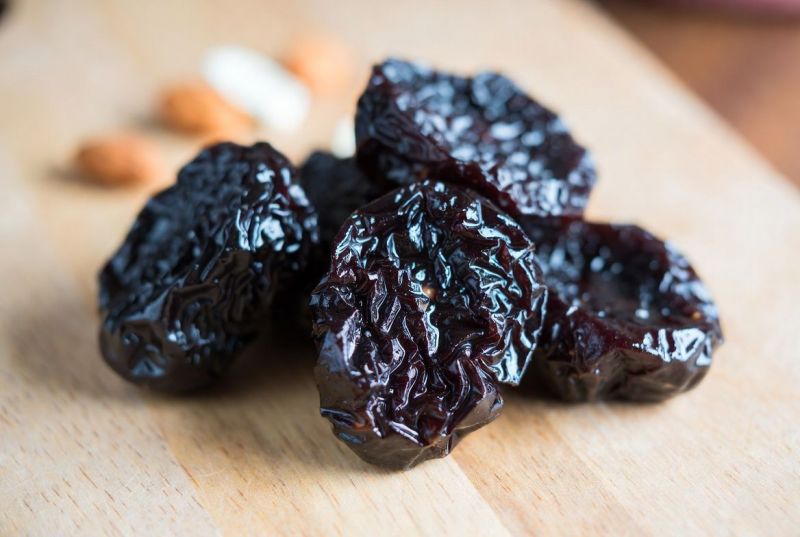
Here’s the interesting part: unlike some options that can cause sudden urgency or discomfort, prunes tend to work more gradually, which aligns well with supporting ongoing colon comfort rather than quick fixes. For those who experience the quiet worry that comes with unpredictable digestion affecting social plans or work focus, incorporating prunes daily represents a low-risk, enjoyable strategy worth exploring alongside other healthy habits.
Nutrition experts often note several ways prunes may contribute to better gut experiences:
- The fiber content helps promote regularity by adding volume to stool in a gentle manner.
- Sorbitol acts as a mild osmotic agent that may draw water into the colon for easier passage.
- Antioxidants support overall cellular health in the digestive tract as part of a varied diet.
- Their natural sweetness makes them an easy swap for less beneficial sweet treats that can disrupt gut balance.
 Prunes Compared to Other Fiber-Rich Foods for Daily Digestive Support
To see where prunes stand, consider this simple comparison of common options many people already enjoy:
| Food | Fiber per Typical Serving | Special Digestive Note | Ease of Daily Use |
|---|---|---|---|
| Prunes (5 pieces) | About 3–4 grams | Contains sorbitol for gentle moisture support | High – portable snack or recipe add-in |
| Apple (1 medium) | About 4 grams | Pectin feeds beneficial gut bacteria | High – fresh or cooked |
| Chia seeds (1 tbsp) | About 5 grams | Forms a gel that adds bulk and promotes satiety | Medium – needs mixing in liquids |
| Broccoli (1 cup cooked) | About 5 grams | Supports microbiome diversity with prebiotics | Medium – requires preparation |
This kind of variety in your plate ensures you’re not relying on one source alone, and prunes can fill a convenient role when you’re on the go or want something sweet without added sugars.
 Simple, Step-by-Step Ways to Include Prunes in Your Balanced Daily Diet
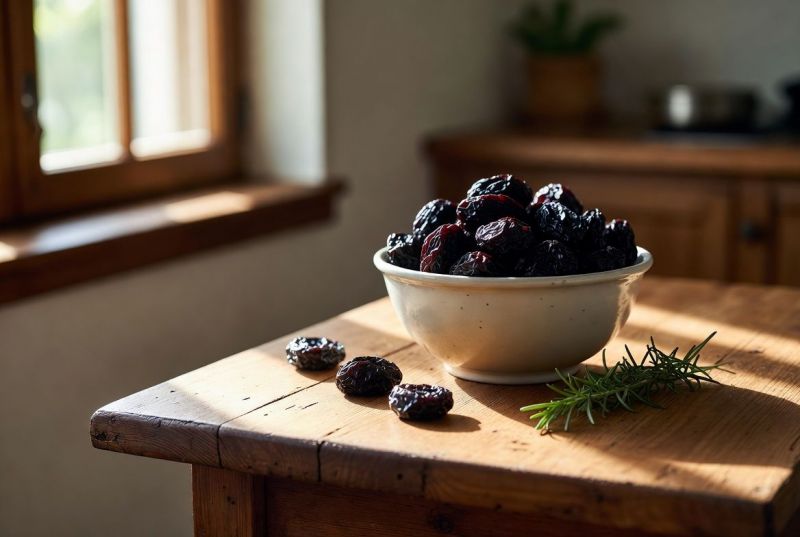
Adding prunes doesn’t require a complete menu overhaul. In fact, the most sustainable approach is to weave them into foods you already enjoy. Here’s how to get started in a way that supports steady progress toward better regularity and comfort:
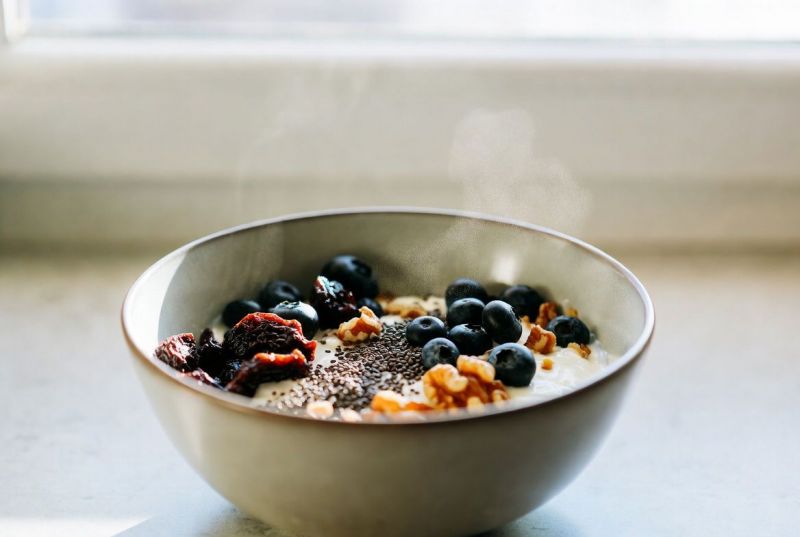
- Start small by having 4 to 6 prunes in the morning, perhaps chopped into your cereal or yogurt, and observe how your body responds over a week or two.
- Soak a handful of prunes in warm water for 20–30 minutes before eating or blending; this can make them softer and may enhance their gentle effect on the digestive tract.
- Blend 3–4 prunes into a morning smoothie along with banana, a handful of spinach, and your choice of milk or yogurt for a fiber-rich start that tastes naturally sweet.
- Keep a small container of prunes at your desk or in your bag as an afternoon snack paired with a few almonds to help maintain energy and support ongoing gut comfort.
- Use chopped prunes in savory dishes too, such as stirred into a quinoa salad or as a natural sweetener in homemade energy bites.
Remember that consistency matters more than perfection, and pairing prunes with adequate water intake throughout the day helps the fiber do its job effectively without causing additional discomfort.
 Why Pairing Prunes with Good Hydration and Movement Matters for Colon Comfort
Prunes work best as part of a bigger picture that includes staying active and drinking enough fluids. Gentle daily walks after meals, for example, can stimulate natural intestinal movement and complement the effects of the fiber and sorbitol found in prunes. Without sufficient water, even the best fiber sources can sometimes lead to the very bloating or sluggishness you’re trying to ease.
The truth is that small, consistent choices like these often yield better long-term results for colon comfort than any single food in isolation. If unpredictable digestion has been a recurring source of low-level stress in your routine, layering prunes into a hydration-focused and movement-friendly lifestyle can help restore a greater sense of control and ease.
In short, prunes represent an accessible, research-supported addition to a balanced daily diet that may help promote the regular bowel movements and gut comfort many people seek. By starting gradually, staying hydrated, and listening to your body, you can discover whether this traditional remedy fits well into your modern wellness approach. The key is patience and consistency rather than expecting overnight changes.

 Frequently Asked Questions
How many prunes should someone eat each day to support digestive regularity?
Nutrition guidance commonly suggests beginning with 5 to 8 prunes daily, divided across meals if preferred, though individual needs vary based on overall diet, activity, and health status. It’s wise to increase slowly and monitor your response while keeping prunes as one part of a varied eating pattern.
Might eating prunes cause gas or loose stools for some people?
Because of the sorbitol and fiber content, consuming large amounts of prunes at once can lead to temporary digestive adjustment symptoms like gas or softer stools in sensitive individuals. Spreading intake throughout the day and starting with fewer prunes usually minimizes this while still allowing prunes to support regularity comfortably.
Should I choose whole prunes or prune juice when focusing on colon health?
Whole prunes generally provide more dietary fiber along with the beneficial compounds, making them a stronger choice for supporting regularity compared to prune juice, which is lower in fiber. Juice can still be enjoyed occasionally in moderation as part of a varied intake that includes whole prunes.
Important Note
This content is intended for general informational purposes only and should not replace personalized medical advice. If you are experiencing ongoing digestive concerns, have a diagnosed condition, or are considering significant dietary changes, please consult your healthcare provider or a registered dietitian to ensure the approach aligns with your specific needs and any medications you may be taking.