It’s easy to feel that quiet pang of regret when health concerns surface and you look back at years of grabbing whatever was fastest instead of reaching for the colorful options that could have been quietly supporting your body. Processed snacks, sugary treats, and rushed meals often crowd out the very foods research has connected to better resilience at the cellular level. Over time, this pattern leaves your system without the steady supply of protective compounds it needs to handle daily stresses and inflammation.
The encouraging reality is that certain everyday fruits contain natural plant chemicals that large reviews and laboratory studies have explored for their potential role in supporting long-term health. No single food works miracles, yet consistent inclusion of these options as part of a varied diet shows meaningful associations in the data.
What often catches people off guard is how accessible and affordable these seven choices are – and how small daily shifts can add up without complicated recipes or expensive supplements. By the time you finish reading, you’ll know exactly which fruits stand out, why they matter, and the simplest ways to work them into real life starting today.

Why Whole Fruits Deserve More Attention Than Most People Give Them
Fruits deliver more than just vitamins. They provide fiber that feeds beneficial gut bacteria, polyphenols that help manage oxidative stress, and water that supports hydration without extra effort. When diets lean heavily on refined foods, these protective elements drop sharply.
Observational research tracking thousands of people over decades consistently links higher fruit intake with lower rates of several common health challenges. The American Institute for Cancer Research and similar bodies emphasize that no one food prevents or treats disease on its own. Instead, the combination of many plant foods creates a supportive environment for your body’s natural repair processes.
The surprise for many readers is how specific fruits appear repeatedly in the strongest data. Their unique compounds seem to influence inflammation pathways, DNA protection, and even how cells communicate. These effects show up most clearly when people eat them regularly over months and years rather than in short bursts.
7 Fruits That Stand Out in the Research
Here are seven accessible choices that researchers have examined closely. Each brings something different to the table.
Blueberries
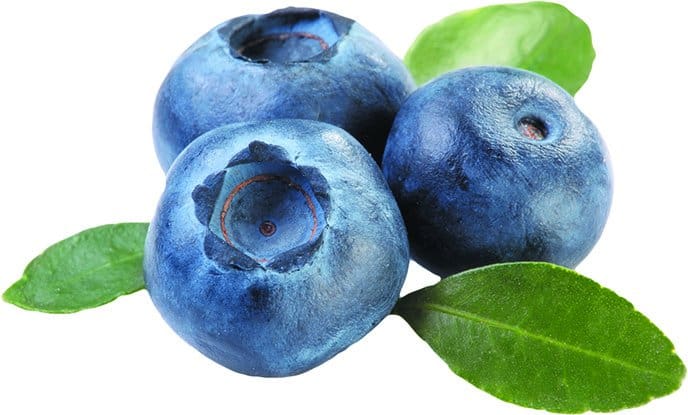
These small berries concentrate anthocyanins, the pigments responsible for their deep color. Lab studies suggest these compounds can influence several processes involved in cell protection and may slow certain abnormal cell activities. Population data also ties regular berry consumption to lower markers of inflammation.
Beyond that, blueberries offer fiber that supports steady digestion and gentle blood sugar management. Frozen versions retain nearly all their benefits and often cost less than fresh.
Easy ways to enjoy them:
- Stir a handful into plain yogurt or oatmeal each morning
- Blend frozen blueberries with banana and a splash of milk for a two-minute smoothie
- Keep a small bowl on the counter as a ready snack instead of reaching for packaged items
Strawberries
Strawberries deliver high levels of vitamin C along with ellagic acid and other polyphenols. Some research has examined their potential to support the body’s handling of oxidative stress, particularly in digestive tract tissues. They also rank high in fiber for their size, which aids comfortable digestion.
Their natural sweetness makes them an easy swap for dessert cravings. Slice them over whole-grain toast with a thin layer of nut butter for a satisfying afternoon bite.
Practical tip: Buy frozen strawberries in bulk. They thaw quickly and work beautifully in simple compotes or blended drinks without added sugar.
Raspberries
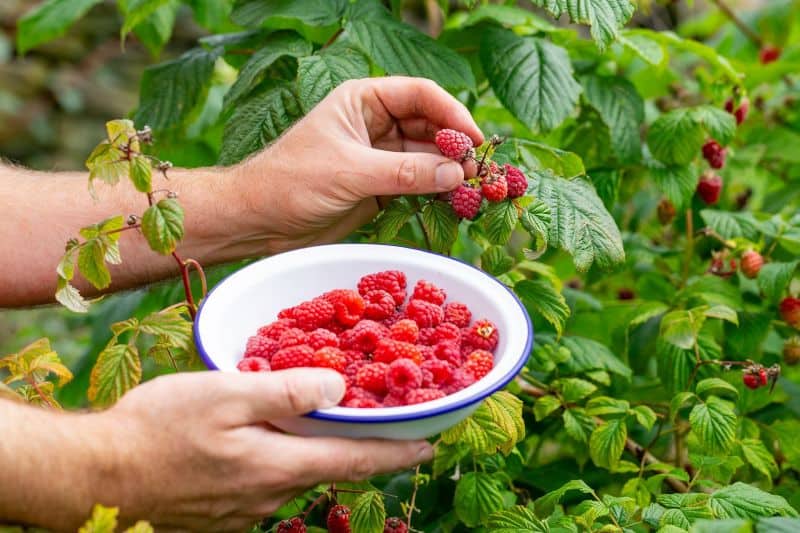
Raspberries stand out for their exceptionally high fiber content – even more than many other common fruits. This fiber supports gut health, which emerging research connects to broader wellness, including lower risk markers for certain digestive concerns. Like other berries, they contain anthocyanins and ellagic acid studied for cell-protective properties.
Their slightly tart flavor pairs well with milder fruits. A small bowl of fresh or thawed raspberries after dinner can replace heavier sweets while still feeling like a treat.
Simple habit: Mix raspberries into cottage cheese or ricotta for a quick, protein-rich snack that keeps you full longer.
Apples
Apples provide quercetin and other polyphenols concentrated especially in the skin, along with soluble fiber that supports heart and digestive comfort. Multiple large studies have associated higher apple intake with favorable health outcomes across several body systems.
The convenience factor matters: they require zero preparation and travel well. Choosing varieties with deeper color often means higher polyphenol levels.
Action step: Eat the whole apple, skin included. Keep a few washed apples in the refrigerator door so they become the easiest grab-and-go option when hunger strikes between meals.
Oranges and Other Citrus
Citrus fruits bring vitamin C, flavonoids, and limonoids. Research reviews have noted associations between regular citrus consumption and lower risk for certain upper digestive and respiratory tract concerns. The fiber in whole oranges also slows sugar absorption compared to juice.
The bright flavor can brighten simple meals. Segment an orange over a salad of greens and a few nuts for lunch, or enjoy it as an afternoon pick-me-up that doesn’t rely on caffeine.
Important note: Whole fruit beats juice every time for fiber and satiety. If you prefer juice occasionally, choose 100% versions without added sugar and limit portions.
Grapes (Especially Red or Purple)
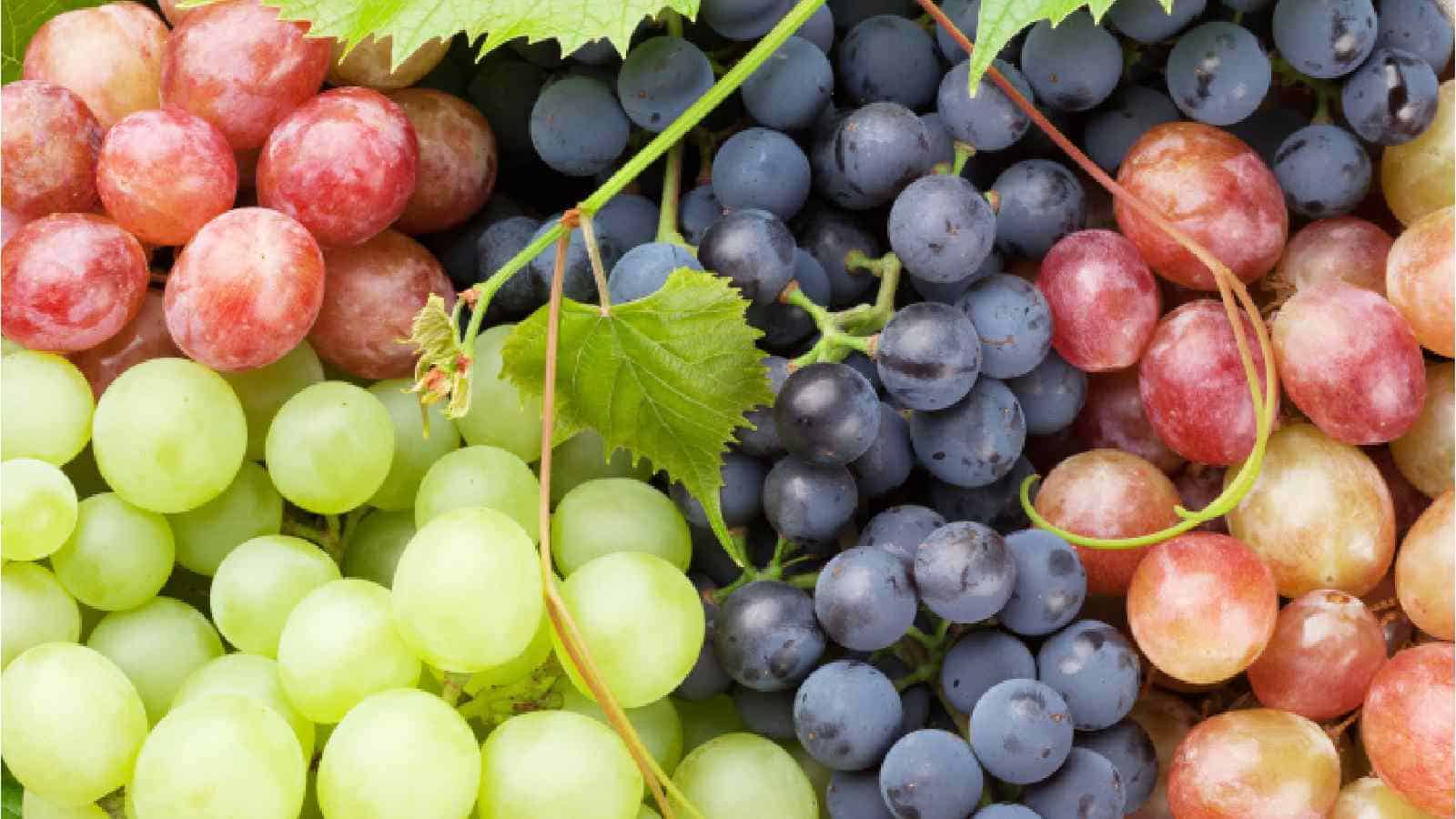
Red and purple grapes contain resveratrol and other polyphenols that have drawn scientific interest for their potential effects on cell signaling and inflammation. Some studies explore these compounds in relation to heart and cellular health markers.
Grapes make an effortless snack. Freeze seedless grapes for a naturally sweet, refreshing treat that feels indulgent on warm days.
Daily idea: Add a small cluster to a cheese plate or pack them in a lunch container. Their portability makes them ideal for travel or days away from home.
Tomatoes
Although often grouped with vegetables, tomatoes are botanically fruit and deliver lycopene, a carotenoid with notable research behind it. Cooked tomatoes, especially with a small amount of healthy fat like olive oil, allow better lycopene absorption. Population studies have examined lycopene intake in relation to prostate and other tissue health.
Tomatoes add brightness and moisture to countless dishes without extra effort. Canned tomatoes (no added salt or sugar) work well in soups, stews, and sauces you can prepare in batches.
Practical move: Keep a jar of simple tomato sauce made with garlic and olive oil in the refrigerator. Spoon it over vegetables, eggs, or whole grains for quick, flavorful meals.
Quick Comparison of These Seven Fruits
| Fruit | Standout Compound | Notable Research Angle | Easiest Daily Use |
|---|---|---|---|
| Blueberries | Anthocyanins | Cell protection and inflammation markers | Handful in yogurt or smoothies |
| Strawberries | Vitamin C + ellagic acid | Digestive tract support associations | Sliced over cereal or toast |
| Raspberries | High fiber + polyphenols | Gut health and satiety | Mixed into cottage cheese |
| Apples | Quercetin + fiber | Broad observational health links | Whole, skin on, as portable snack |
| Oranges | Flavonoids + vitamin C | Upper digestive associations | Segmented over salads |
| Grapes | Resveratrol | Cellular signaling interest | Frozen for cool snacking |
| Tomatoes | Lycopene | Cooked form improves absorption | Simple sauce or fresh in meals |
How to Build These Fruits Into Your Routine Without Overthinking It
Start small so the changes stick. Pick two or three of the fruits above that you already like and commit to having them visible and ready for one week.
Morning anchor: Add berries or sliced apple to whatever you already eat for breakfast. The extra fiber and flavor often reduce mid-morning cravings.
Afternoon reset: Keep washed grapes or an orange in your bag or on the counter. When energy dips, reach for fruit before processed options.
Evening wind-down: A small bowl of mixed berries or raspberries after dinner satisfies sweet tooth while adding protective compounds instead of empty calories.
Weekly shopping habit: Put at least three of these seven fruits on your regular list. Frozen and canned (in water or their own juice) count and reduce waste.
Flavor boost without effort: Combine two or three fruits in a simple bowl with a sprinkle of cinnamon or a few chopped nuts. The variety keeps things interesting and multiplies the different compounds you receive.
These small patterns matter more than occasional large efforts. Your body responds to what you do most days, not what you do perfectly once in a while.
The Larger Truth Most People Miss
Adding these fruits helps, yet they cannot offset daily patterns heavy in fried foods, sugary drinks, excessive alcohol, or long hours of sitting. The research is clear that overall lifestyle patterns drive the strongest outcomes. Continuing habits that work against your body’s natural balance while hoping fruit will compensate is a strategy that often leads to disappointment later.
At the same time, it’s never too late to begin shifting the ratio. Many people notice steadier energy, better digestion, and greater peace of mind within weeks of making these colorful foods more central. The real win is the quiet confidence that comes from knowing you’re giving your body consistent, evidence-informed support instead of leaving things to chance.
Frequently Asked Questions
Can any single fruit prevent or cure cancer?
No. Research does not support claims that one food or group of foods can prevent or cure cancer. What large reviews show is that dietary patterns rich in a variety of fruits, vegetables, and other plant foods are associated with lower risk for certain cancers. These seven fruits appear often in the data because of their specific compounds, but they work as part of a bigger picture that also includes physical activity, not smoking, and maintaining a healthy weight.
How much fruit should I eat each day as an older adult?
General guidance suggests aiming for at least 1.5 to 2 cups of whole fruit daily, spread across meals and snacks. Focus on variety rather than large amounts of any one type. People with diabetes, digestive conditions, or those taking certain medications should check with their healthcare provider or a registered dietitian for personalized targets.
Are frozen or canned fruits as beneficial as fresh?
Yes for most nutrients. Frozen fruits are picked at peak ripeness and flash-frozen, preserving antioxidants and fiber. Choose versions without added sugar. Canned tomatoes and fruits packed in water or their own juice also retain valuable compounds. The key is consistent intake rather than perfection in form.
Disclaimer: This article provides general information based on published research and is not a substitute for professional medical advice. It does not diagnose, treat, or cure any disease. Always consult your physician or qualified healthcare provider before making significant dietary changes, especially if you have existing health conditions, take medications, or are undergoing treatment. Individual results vary, and associations in population studies do not prove causation for any one person.