Digestive discomfort can make even a normal day feel heavy, especially when bloating, irregular bathroom habits, or stomach uneasiness keeps returning. Many people start searching for natural remedies because they want something simple, familiar, and gentle to support their gut. The truth is, home recipes may help support digestive comfort, but parasite concerns should always be handled carefully and responsibly. In this guide, you will discover a safer way to think about natural digestive support, plus one often overlooked habit at the end that matters more than most people realize.

Understanding Intestinal Parasite Concerns Without Panic
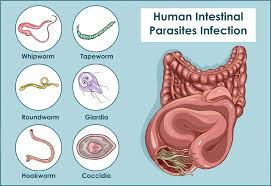
Intestinal parasites are organisms that may enter the body through contaminated food, unsafe water, poor hand hygiene, soil exposure, or close contact with infected animals or people. According to the CDC, parasites can spread through food, water, animals, insects, blood, and other routes, which is why prevention habits are so important.
But here is the important part.
Not every stomach problem means parasites. Bloating, loose stools, gas, nausea, appetite changes, and abdominal discomfort can come from many causes, including diet changes, stress, food intolerance, travel, or digestive sensitivity.
That is why a safe approach matters. Natural recipes should be seen as digestive support, not a replacement for professional care.
Common Signs People Often Notice
Some intestinal infections may cause digestive symptoms, while others may be mild or unclear. For example, Mayo Clinic notes that giardia infection can involve stomach cramps, bloating, upset stomach, and loose stools.
Possible signs that people may notice include:
- Ongoing bloating or gas
- Loose stools or changes in bathroom habits
- Stomach cramps or discomfort
- Nausea or reduced appetite
- Feeling tired without a clear reason
- Unexplained weight changes
- Itching around the anal area, especially at night
- Symptoms after travel, camping, or unsafe water exposure
Here is the key point.
These signs do not confirm parasites by themselves. They are simply signals that your digestive system may need attention.
Why Natural Remedies Became So Popular
People often turn to homemade remedies because they feel familiar, affordable, and easy to prepare. Many traditional kitchens use ingredients such as garlic, pumpkin seeds, papaya seeds, cloves, ginger, turmeric, and herbal teas for general wellness.
But natural does not always mean risk free.
The National Center for Complementary and Integrative Health explains that dietary and herbal supplements may interact with medications, may not be tested in children, pregnant women, or nursing mothers, and may carry risks for people with certain medical conditions.
So instead of making strong promises, the smarter approach is this:
Use food based habits to support digestion, hydration, and gut comfort while knowing when medical guidance is needed.
A Gentle Homemade Digestive Support Recipe
This recipe is not presented as a cure, cleanse, or parasite removal method. It is a simple digestive support drink inspired by traditional kitchen ingredients.
 Ginger, Lemon, And Pumpkin Seed Digestive Drink
Ingredients:
- 1 cup warm water
- 1 small slice fresh ginger
- 1 teaspoon lemon juice
- 1 teaspoon ground pumpkin seeds
- 1 teaspoon honey, optional
Instructions:
- Warm the water until comfortable to drink.
- Add the fresh ginger slice.
- Let it sit for 5 to 7 minutes.
- Stir in lemon juice.
- Add ground pumpkin seeds.
- Add honey only if desired.
- Drink slowly after a meal, not on an empty stomach if you have a sensitive stomach.
Why these ingredients?
Ginger is often used to support digestive comfort. Lemon adds flavor and may encourage better hydration. Pumpkin seeds provide minerals and plant nutrients. Honey can soften the taste, but it should not be given to children under 1 year old.
But that is not all.
The real benefit of this routine may come from slowing down, drinking enough fluids, and choosing lighter meals while your stomach feels uncomfortable.
What This Recipe Can And Cannot Do
This is where many online posts become misleading.
A homemade drink may support digestion, but it cannot confirm whether you have parasites. It also should not replace medical care if symptoms are strong, persistent, or worsening.
What it may help support:
- Better hydration
- A calmer eating routine
- Digestive comfort after meals
- A habit of choosing simple ingredients
- Awareness of gut health
What it should not be used for:
- Replacing professional medical advice
- Delaying care for severe symptoms
- Giving to children without guidance
- Mixing with medications without checking safety
- Assuming symptoms are caused by parasites
Sự thật là, responsible health content should help people act wisely, not scare them into risky decisions.
When You Should Seek Medical Guidance
Some symptoms should not be ignored. If digestive discomfort lasts more than a few days, returns repeatedly, or appears after travel, unsafe water exposure, or contact with contaminated food, it is better to speak with a healthcare professional.
Get medical guidance sooner if you notice:
- Blood in stool
- Severe abdominal pain
- High fever
- Ongoing diarrhea
- Signs of dehydration
- Unexplained weight loss
- Symptoms in children, older adults, pregnant women, or people with weak immunity
Mayo Clinic notes that specific medications are commonly used for confirmed giardia infection, which shows why proper evaluation matters.
This does not mean you need to panic. It simply means that persistent symptoms deserve the right care.
The Most Important Prevention Habits
Here is the part many people overlook.
The best natural “remedy” often starts before symptoms appear. Prevention habits can lower exposure risk and support overall digestive health.
The CDC recommends key steps such as washing hands, avoiding unsafe food and water, and avoiding contact with animal waste to help reduce the spread of giardia.
Simple prevention habits include:
- Wash hands with soap before eating.
- Wash hands after using the bathroom.
- Cook meat, fish, and seafood properly.
- Wash fruits and vegetables carefully.
- Drink safe water, especially when traveling.
- Avoid swallowing water from lakes, rivers, or pools.
- Keep kitchen surfaces clean.
- Wear footwear in areas where soil contamination may be a concern.
- Keep pets clean and follow veterinary advice.
- Teach children not to put dirty hands or objects in their mouths.
WHO also highlights sanitation, health education, and appropriate deworming programs in areas where worm infections are common.
Food Choices That Support A Calmer Gut
When your stomach feels unsettled, heavy meals can make discomfort worse. Gentle food choices may help your digestive system feel less irritated.
Consider simple options such as:
- Plain rice or oatmeal
- Bananas
- Cooked carrots
- Clear soups
- Plain yogurt with live cultures, if tolerated
- Boiled potatoes
- Soft cooked vegetables
- Warm water or mild herbal tea
Try to reduce very greasy foods, alcohol, excess sugar, and heavy spicy meals while symptoms are active.
Nhưng đó chưa phải là tất cả.
How you eat also matters. Eating slowly, chewing well, and avoiding late heavy meals can make a noticeable difference for many people.
A Safe 3 Day Gut Support Routine
This simple routine is designed for general digestive comfort. It is not a parasite plan and should not be used to delay professional care.
Day 1: Calm The Stomach
Eat simple meals. Drink enough safe water. Avoid greasy and very spicy foods. Try the warm ginger, lemon, and pumpkin seed drink after lunch or dinner if it suits your body.
Day 2: Support Digestion
Add cooked vegetables, plain rice, bananas, or soup. Keep meals small. Wash hands carefully before every meal. Notice whether symptoms are improving, unchanged, or worsening.
Day 3: Review Your Symptoms
If you feel better, slowly return to normal balanced meals. If symptoms continue, worsen, or come with fever, blood, dehydration, or strong pain, contact a healthcare professional.
Đây là phần thú vị nhất.
The habit that often changes everything is not one single ingredient. It is the combination of clean hands, safe water, properly washed food, and not ignoring warning signs.
Who Should Be Extra Careful With Home Remedies
Some people should avoid experimenting with strong herbal mixtures or concentrated natural products without medical guidance.
Be extra careful if you are:
- Pregnant or nursing
- Giving anything to a child
- Taking blood thinners
- Taking diabetes or blood pressure medication
- Living with kidney, liver, or heart conditions
- Preparing for surgery
- Allergic to seeds, herbs, citrus, or honey
- Dealing with severe or ongoing digestive symptoms
Research and safety reviews have noted concerns around herbal products, including contamination, inconsistent quality, and possible interactions with medications.
That is why gentle food habits are usually safer than extreme recipes.
How To Make This Topic Safe For Your Family
If someone in your family is worried about parasites, avoid fear based advice. Instead, focus on practical steps.
Use this simple family checklist:
- Are symptoms mild or severe?
- How long have they lasted?
- Was there travel, unsafe water, or questionable food?
- Is the person a child, older adult, pregnant, or medically vulnerable?
- Is there fever, blood, dehydration, or strong pain?
- Has a healthcare professional been contacted if symptoms are persistent?
This checklist helps you stay calm and make better decisions.
Conclusion
Natural digestive recipes can feel comforting, especially when they use familiar kitchen ingredients. A warm ginger, lemon, and pumpkin seed drink may support hydration and digestive comfort, but it should not be described as a guaranteed way to remove intestinal parasites.
The safest path is simple: support your gut with gentle foods, drink safe water, keep strong hygiene habits, and seek professional guidance when symptoms are persistent or concerning.
And remember the open loop from the beginning?
The overlooked habit is not exotic at all. It is consistent prevention. Clean hands, safe food, safe water, and early attention to symptoms are more powerful than most viral home remedy posts admit.
FAQ
Can a homemade recipe remove intestinal parasites?
A homemade recipe should not be relied on for that purpose. Food based remedies may support digestive comfort, but parasite concerns need proper medical guidance, especially when symptoms are ongoing or severe.
What is the safest natural way to support digestion?
Start with safe water, simple meals, proper handwashing, enough fluids, and gentle foods such as rice, soup, bananas, cooked vegetables, and yogurt if tolerated. These habits support comfort without making risky claims.
When should I see a healthcare professional?
Seek guidance if symptoms last several days, keep returning, or include fever, blood in stool, severe pain, dehydration, unexplained weight loss, or symptoms in children, older adults, pregnant women, or people with weak immunity.
Disclaimer: This article is for educational purposes only and is not a substitute for professional medical advice.