Knee stiffness can make simple things feel harder than they should, from getting out of a chair to walking down the stairs. The discomfort often feels worse when the body is tired, the weather changes, or daily movement becomes limited. Many older adults start looking for one simple food that may help support knee cartilage and joint comfort without turning life upside down. The surprising food is not exotic or expensive, and later in this article, you will see how to use it in a simple way that fits into an ordinary kitchen.
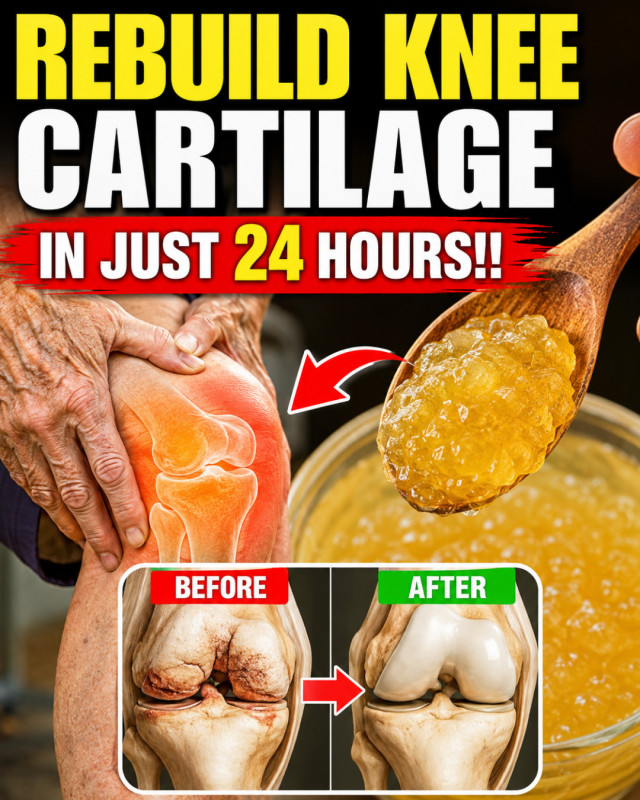
The Food People Are Talking About Is Bone Broth
The food often discussed for knee cartilage support is bone broth.
Bone broth is made by gently simmering animal bones, cartilage, and connective tissue in water for several hours. During this process, some of the collagen in the bones and connective tissue breaks down into gelatin and amino acids.
Here is the important part.
Bone broth is not a miracle food. It does not rebuild knees overnight. It does not replace medical care, physical activity, or a balanced diet. But it may be a helpful addition to a joint friendly eating routine, especially for older adults who want more protein, warmth, hydration, and collagen rich nutrition.
Why Cartilage Needs Daily Support
Cartilage is the smooth cushioning tissue that helps bones move without harsh rubbing. In the knee, cartilage helps absorb pressure when you walk, climb stairs, bend, or stand for long periods.
As we age, cartilage can become more vulnerable to wear, inflammation, low activity, excess body weight, and poor muscle support around the joint.
Sự thật là, the knee does not depend on one nutrient alone.
It needs a full support system, including:
- Enough protein for tissue maintenance
- Vitamin C for normal collagen formation
- Healthy body weight to reduce pressure on the knee
- Gentle movement to keep joints mobile
- Strong thigh and hip muscles to support balance
- Good sleep and hydration for overall recovery
Bone broth may fit into this picture because it provides amino acids, warmth, and a simple way to increase protein intake.
Why Collagen Matters for Knee Comfort
Collagen is one of the main structural proteins in the body. It helps form connective tissues such as skin, tendons, ligaments, and cartilage.
When people hear the phrase “support knee cartilage,” they often think about collagen. That makes sense because cartilage contains collagen, especially type II collagen.
But here is the part many people miss.
Eating collagen does not travel directly to your knee like a repair patch. Your body breaks collagen down into smaller amino acids and peptides. Then it uses those building blocks where needed.
That is why it is more accurate to say bone broth may support the body’s normal joint structure and comfort, rather than claiming it repairs cartilage fast.
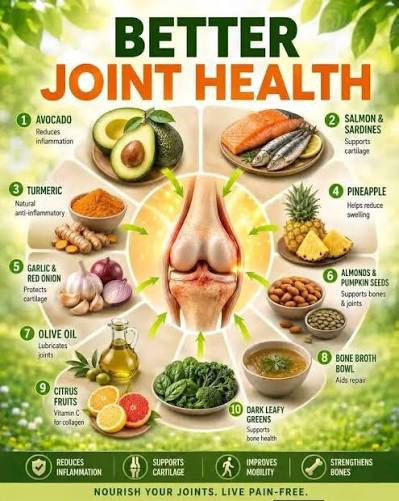
What Research Suggests About Collagen and Joint Comfort
Research on collagen peptides and joint health is still developing. Some studies suggest collagen based products may help support joint comfort, mobility, and stiffness may help support joint comfort, mobility, and stiffness in certain adults, especially when combined with exercise.
But đó chưa phải là tất cả.
The evidence is not strong enough to say collagen works the same way for everyone. Results can vary depending on age, activity level, diet quality, body weight, and the severity of joint discomfort.
That is why bone broth should be seen as one supportive food, not a stand alone solution.
For readers over 60, this balanced view matters. A food can be helpful without being magical. A routine can be useful without promising unrealistic results.
Bone Broth Versus Regular Soup
Bone broth and regular soup are not always the same.
Regular soup may be made quickly with vegetables, meat, noodles, and seasoning. Bone broth is usually simmered longer with bones and connective tissue, which may increase gelatin and amino acid content.
A simple comparison:
- Regular soup is often made for flavor and a complete meal
- Bone broth is often made to extract nutrients from bones and connective tissue
- Regular soup may contain more vegetables and carbohydrates
- Bone broth may contain more gelatin depending on the cooking method
- Both can be healthy when prepared with simple ingredients and moderate sodium
Đây là phần thú vị nhất.
You do not need to choose one forever. You can use bone broth as a base for vegetable soup, rice porridge, lentils, or soft cooked meals.
That makes it easier to enjoy without forcing yourself to drink it plain every day.

How To Make A Simple Joint Friendly Bone Broth
You do not need restaurant skills to make bone broth at home.
Ingredients
- Chicken bones, beef bones, or fish bones
- A small amount of connective tissue, if available
- Water
- Onion, carrot, celery, or garlic for flavor
- A small splash of vinegar to help draw minerals from bones
- Herbs such as bay leaf, parsley, or ginger
- A small amount of salt, added near the end
Simple Cooking Steps
- Place the bones in a large pot
- Cover with water
- Add vegetables and herbs
- Add a small splash of vinegar
- Simmer gently for several hours
- Skim foam from the top if needed
- Strain the liquid
- Let it cool
- Remove hardened fat from the top if desired
- Store in the refrigerator or freezer
For chicken bones, many people simmer for 6 to 12 hours. For beef bones, the cooking time is often longer. If you use a pressure cooker, the time can be shorter.
Nhưng hãy nhớ điều này.
Longer cooking does not automatically mean better health results. The goal is a safe, flavorful broth you can actually use consistently.
The Best Way To Use Bone Broth For Knee Support
The easiest way is to start small.
Try 1 cup of warm bone broth a few times per week. Notice how your body feels. Some people enjoy it in the morning. Others prefer it as an evening drink or as a base for meals.
You can use bone broth in:
- Vegetable soup
- Rice porridge
- Oatmeal style savory porridge
- Bean or lentil stew
- Soft cooked noodles
- Mashed vegetables
- Homemade sauces
- Warm sipping broth with ginger
The key is consistency, not intensity.
A gentle routine is easier to maintain than a dramatic challenge that lasts three days.
Add Vitamin C For Better Collagen Support
If bone broth gives the body amino acids, vitamin C helps support normal collagen formation.
That is why pairing bone broth with vitamin C rich foods can be a smart move.
Good options include:
- Bell peppers
- Citrus fruits
- Kiwi
- Strawberries
- Broccoli
- Cabbage
- Tomatoes
- Leafy greens
For example, you could have bone broth vegetable soup with tomatoes and greens. Or you could drink warm broth with lunch and eat an orange later in the day.
Small combinations like this make the routine more balanced.
What To Avoid When Making Bone Broth
Bone broth can be healthy, but it can also become too salty or too heavy if prepared carelessly.
Watch out for:
- Too much salt
- Store bought broth with high sodium
- Very fatty broth if you have trouble digesting fat
- Using poor quality bones
- Drinking huge amounts every day
- Expecting fast cartilage changes
If you buy bone broth, check the label. Choose options with simple ingredients, moderate sodium, and no unnecessary additives.
Nếu bạn tự nấu tại nhà, you have more control over salt, herbs, and flavor.
Knee Cartilage Support Needs More Than Food
Food matters. But knees also love movement.
Gentle movement helps maintain flexibility, circulation, and muscle support around the joint. Strong muscles around the knee can reduce stress on the joint during daily activities.
Simple options may include:
- Slow walking
- Water walking
- Chair exercises
- Gentle stretching
- Light strength exercises
- Step practice with support
- Physical therapy guided movement
Do not push through sharp pain. Joint friendly movement should feel controlled and safe.
This is where many people make a mistake.
They either stop moving completely because the knee feels uncomfortable, or they do too much too fast. A better approach is slow, steady, and realistic.
A Simple 7 Day Bone Broth Routine
Here is a gentle routine you can try if bone broth fits your diet.
Day 1
Drink half a cup of warm bone broth with lunch.
Day 2
Use bone broth as the base for vegetable soup.
Day 3
Drink 1 cup of warm bone broth with ginger.
Day 4
Use bone broth to cook rice porridge or soft grains.
Day 5
Add leafy greens and tomatoes to a broth based soup.
Day 6
Enjoy broth with a vitamin C rich food such as kiwi or orange.
Day 7
Review how you feel and decide whether the habit is easy to continue.
The goal is not to force a perfect plan. The goal is to test a simple habit that supports a healthier eating pattern.
Who Should Be Careful With Bone Broth
Bone broth is not right for everyone.
Speak with a healthcare professional if you have kidney disease, need strict sodium control, have gout concerns, follow a special medical diet, or take medications that require dietary restrictions.
People with food allergies should also be careful, especially with fish, shellfish, beef, or chicken based broths.
And if your knee is swollen, red, hot, suddenly painful, or unstable, do not rely on food advice alone. Get proper medical guidance.
So, Would I Try It?
If you enjoy warm, simple foods and want a gentle way to support joint friendly nutrition, bone broth may be worth trying.
But I would try it with realistic expectations.
I would not expect overnight cartilage changes. I would not use it as a replacement for movement, weight management, medical care, or a balanced diet. I would use it as one small part of a larger routine that respects the body.
That is the real secret.
The “one food” may get attention, but the real benefit comes from how you use it consistently, safely, and wisely.
Conclusion
Bone broth is a collagen rich food that may support knee cartilage comfort as part of a balanced lifestyle. It provides amino acids, warmth, hydration, and an easy base for nutritious meals.
Still, it is not a quick fix. Knee comfort depends on many factors, including movement, muscle strength, body weight, protein intake, vitamin C, sleep, and medical guidance when needed.
If you try bone broth, start small, keep sodium moderate, pair it with colorful foods, and pay attention to how your body responds.
FAQ
What food may support knee cartilage naturally?
Bone broth is often discussed because it contains collagen derived from bones and connective tissue. It may support joint friendly nutrition, especially when combined with protein, vitamin C, and gentle movement.
How often should I drink bone broth for knee support?
Many people start with half a cup to 1 cup a few times per week. The best amount depends on your diet, sodium needs, digestion, and personal health situation.
Can bone broth rebuild knee cartilage fast?
No food has been proven to rebuild knee cartilage fast. Bone broth may support overall joint nutrition, but knee health usually requires a broader routine that includes movement, strength, healthy weight, and professional care when needed.
Disclaimer: This article is for informational purposes only and is not a substitute for professional medical advice, especially if you have ongoing knee pain, swellng, kidney concerns, gout, or dietary restrictions.