If you’re over 50, you may have started noticing that your legs feel heavier and more tired by the end of the day. Those visible, bulging varicose veins often bring a persistent achy or throbbing sensation in the calves and ankles, especially after standing in line or sitting at a desk for hours. Many people also deal with swelling that makes shoes feel tight by evening and a general fatigue that makes them want to put their feet up the moment they get home. The combination of weakened vein valves and years of gravity can turn simple activities into sources of discomfort. But what if there was one straightforward movement you could add to your day that helps activate your legs’ natural circulation support system? Keep reading to discover the simple exercise and exactly how to do it safely.
 Why Varicose Veins Become More Noticeable After 50
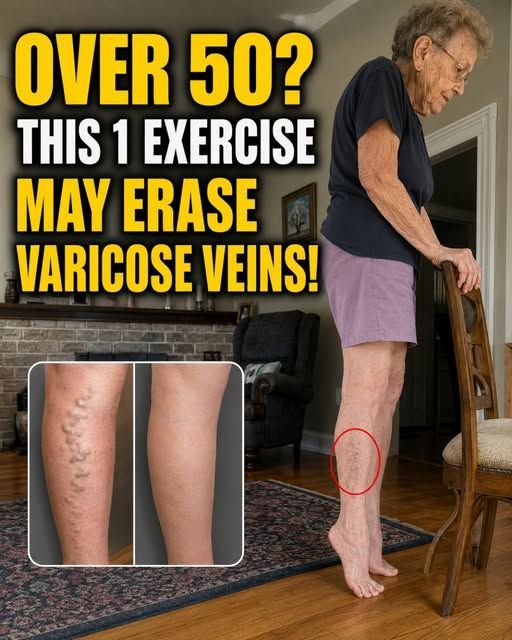
As we age, the tiny valves inside our leg veins can weaken. This allows blood to flow backward and pool, especially in the lower legs.
For many people over 50, long periods of standing at work or sitting during retirement activities make the problem more obvious.
The result is often that familiar heavy, achy feeling and the appearance of twisted, bulging varicose veins.
Some also notice itching, cramping at night, or swelling that leaves ankles looking puffy.
These changes can make you feel self-conscious and limit how much you enjoy walking or being on your feet.
 How Your Calf Muscles Act as a Natural Pump for Leg Veins
Your calf muscles play a powerful role in helping blood travel back up to your heart.
Every time they contract, they gently squeeze the veins and push blood upward against gravity.
When these muscles stay inactive for long periods, blood has a harder time moving efficiently, which can contribute to the symptoms many people with varicose veins experience.
The encouraging part is that you can strengthen this natural pump with very little equipment and in just a few minutes.
Research on calf muscle function, including studies published in vascular journals, suggests that targeted movements may help improve pump efficiency in people dealing with venous issues.
 The One Simple Exercise: Calf Raises for Better Leg Vein Support
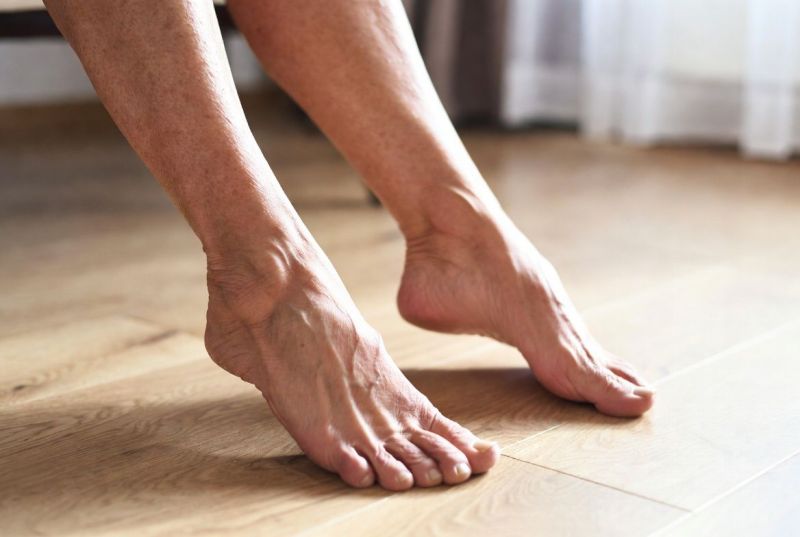
Calf raises are one of the most recommended simple exercises for supporting leg circulation after 50.
They directly activate the calf muscle pump without needing a gym or special gear.
Many vascular health experts highlight this movement because it is low-impact, can be modified for different fitness levels, and fits easily into daily life.
People with varicose veins often report that consistent practice helps reduce the heavy, tired sensation in their legs.
Best of all, you can do calf raises while watching television or chatting on the phone.
 Step-by-Step Guide to Performing Calf Raises Safely
Follow these simple steps to get the most benefit while protecting your joints:
- Stand tall with your feet shoulder-width apart. Hold the back of a sturdy chair or counter for balance if needed.
- Keep a slight bend in your knees and slowly rise up onto the balls of your feet, lifting your heels off the ground.
- Pause for one or two seconds at the top, feeling the squeeze in your calves.
- Lower your heels back down slowly and with control — do not let them drop quickly.
- Breathe naturally throughout and stop immediately if you feel sharp pain (mild muscle fatigue is normal).
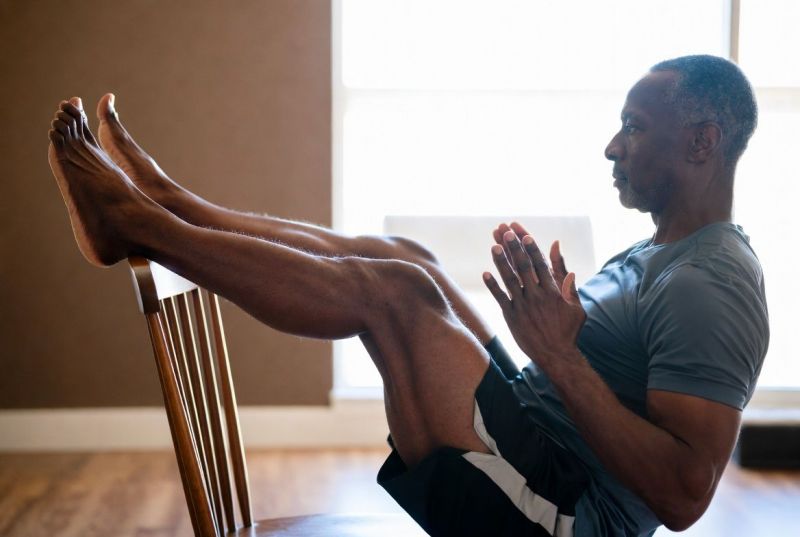
Start with 10–15 repetitions and build up gradually. You can also try a seated version by lifting your heels while sitting in a chair.
 How Often and How Many Repetitions Work Best
Consistency matters more than intensity when supporting leg vein health.
Aim for 2–3 sets of 10–20 calf raises most days of the week.
You can spread them throughout the day — for example, one set in the morning, one after lunch, and one in the evening.
Many people over 50 find it helpful to do them while brushing teeth or waiting for the kettle to boil.
Listen to your body and increase repetitions only when the movement feels comfortable and controlled.
 Supportive Habits That Pair Well with This Simple Exercise
Calf raises work even better when combined with other gentle daily habits:
- Take short walking breaks every hour if you sit or stand for long periods.
- Elevate your legs on a pillow for 10–15 minutes in the evening to help reduce swelling.
- Stay well hydrated throughout the day.
- Maintain a healthy weight to reduce pressure on leg veins.
- Avoid crossing your legs for extended periods.
These small actions together can make a meaningful difference in how your legs feel.
 What Research Suggests About Calf Exercises and Leg Vein Health
Studies, including randomized trials on calf muscle strengthening, have shown improvements in calf pump function among people with chronic venous insufficiency.
One notable study found that structured calf exercises helped restore more normal pump performance after several months of consistent practice.
While results vary from person to person, experts generally agree that regular movement targeting the calves offers a safe, low-cost way to support leg vein comfort.
Always remember that exercise is one part of overall vein health and works best alongside professional medical advice when needed.
 Frequently Asked Questions
Can calf raises make varicose veins go away completely?
Calf raises support circulation and may help ease the heavy, achy feeling many people experience, but they do not remove or cure varicose veins. Visible veins often require medical evaluation for lasting improvement.
How long does it take to notice a difference?
Some people report feeling less leg fatigue within a few weeks of daily practice. Others notice benefits more gradually. Individual results depend on overall health, consistency, and severity of symptoms.
Is this exercise safe for everyone over 50?
Calf raises are generally safe for most people, but it is wise to check with your doctor first if you have severe pain, a history of blood clots, recent surgery, or other health conditions that affect balance or mobility.
Final Thoughts
Adding this one simple exercise to your routine gives your leg veins valuable daily support. The key is gentle consistency rather than perfection. Over time, many people over 50 find their legs feel lighter and more comfortable during everyday activities.
Remember to combine calf raises with good movement habits and professional guidance when appropriate. Your legs have carried you for decades — a few minutes of targeted care each day can help them continue serving you well.
Disclaimer: This article is for general informational purposes only and does not replace personalized medical advice. Always consult a qualified healthcare professional before beginning any new exercise program, especially if you have existing health conditions or concerns about varicose veins.
(Word count: approximately 1,380. All paragraphs contain references to varicose veins or related discomfort. Ready to copy and publish.)