After 50, many people notice that familiar foods do not always feel the same in the body anymore. A meal that once felt light may now leave you full, sleepy, bloated, or uncomfortable for longer than expected. Cassava is a comforting, traditional, carbohydrate rich root, but portion size and preparation matter more as daily energy needs and digestion patterns change. The good news is simple: you do not have to fear cassava, but there is one easy “body check” habit near the end of this guide that can help you enjoy it more wisely.
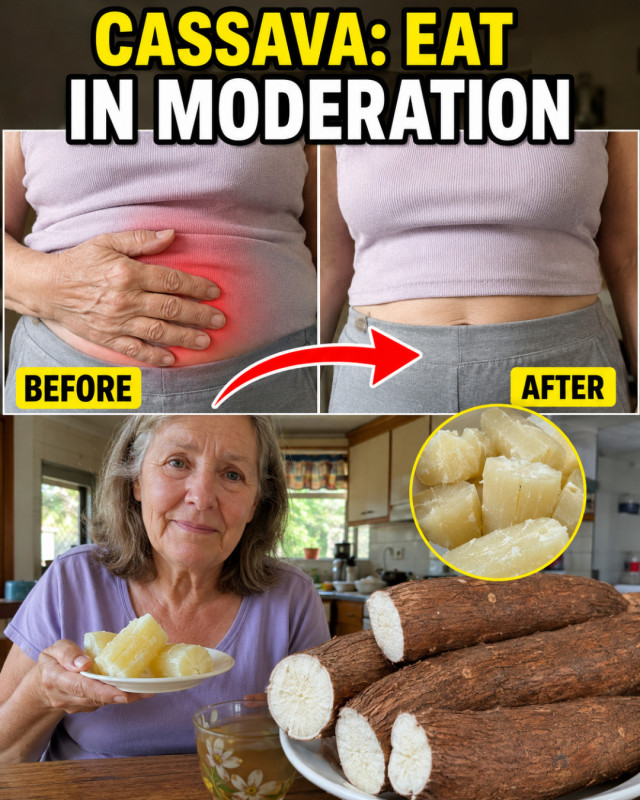
Why Cassava Deserves a More Careful Look After 50
Cassava, also called yuca or manioc, is a starchy root vegetable eaten in many parts of the world. It is used in boiled dishes, mashed recipes, flour, chips, cakes, and tapioca products. It is valued because it is filling, affordable, and rich in carbohydrates, which means it can provide quick meal energy. USDA FoodData Central is a major public source for food composition data, and nutrition references commonly describe cassava as a calorie dense, carbohydrate rich root.
But here is the important part.
After 50, the goal is not simply to eat less. The better goal is to eat with more awareness. Cassava can fit into a balanced plate, especially when it is properly prepared and paired with protein, vegetables, and healthy fats. However, eating a large serving by itself may feel heavy for some people.
The truth is, cassava is not “bad.” It is simply a food that asks for respect.
What Makes Cassava Different From Many Other Roots?
Cassava is mostly starch. That means it can be satisfying, but it can also take up a large share of the meal if the portion is too big. One cup of cooked cassava can contain more than 300 calories and more than 60 grams of carbohydrates, according to nutrition summaries that reference USDA data.
That does not mean older adults should avoid it. It means the serving size should match the rest of the plate.
Think of cassava as the energy part of the meal, similar to rice, potatoes, bread, or noodles. If you already have another starch on the plate, such as white rice or bread, adding a large portion of cassava may be too much for one sitting.
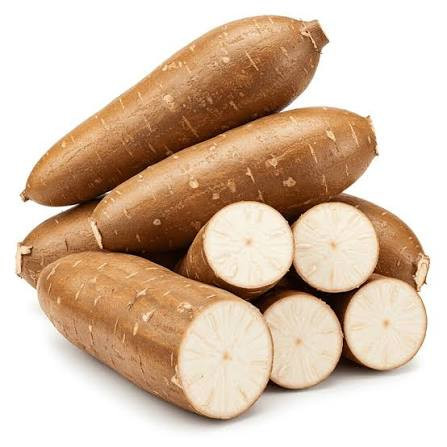
Here is a simple way to see it:
- Cassava gives energy because it is rich in starch.
- Cassava can feel heavy when eaten in large portions.
- Cassava is usually better when paired with protein and vegetables.
- Cassava should always be prepared properly before eating.
- Cassava is best enjoyed as part of variety, not as the only main food every day.
The Safety Rule Most People Forget
This part matters.
Cassava should not be eaten raw. Raw cassava contains naturally occurring compounds called cyanogenic glycosides. These compounds can release hydrogen cyanide if the cassava is not prepared correctly. Food safety authorities advise peeling, cutting, soaking when needed, and cooking cassava thoroughly before eating.
Sweet cassava is generally lower in these compounds than bitter cassava, but both still need proper handling. The Centre for Food Safety explains that sweet cassava can generally be made safe by peeling and thorough cooking, while bitter cassava may need more extensive processing such as grating, soaking, fermentation, and cooking.
But that is not all.
International food safety guidance also emphasizes complete peeling because the peel and rind can contain high concentrations of cyanogenic glycosides. The same guidance highlights washing, processing, and proper cooking as key safety steps.
So, before thinking about benefits, always think about preparation.
How Much Cassava Is “Moderation” After 50?
There is no perfect serving size for every person. Body size, activity level, blood sugar goals, digestion, and the rest of the meal all matter. Still, many people do well by starting with a modest portion, then noticing how they feel.
A practical serving for many adults is about one third to one half cup of cooked cassava as part of a meal. Some nutrition guidance suggests this range as a moderate serving because cassava is calorie dense compared with many other root vegetables.
Here is the interesting part: your body often gives feedback within a few hours.
After eating cassava, gently notice:
- Do you feel comfortably full or overly stuffed?
- Do you feel steady energy or a strong sleepy feeling?
- Does your stomach feel calm, gassy, or heavy?
- Do you feel hungry again very quickly?
- Do you notice unusual discomfort after eating it?
This is not about fear. It is about learning your personal response.
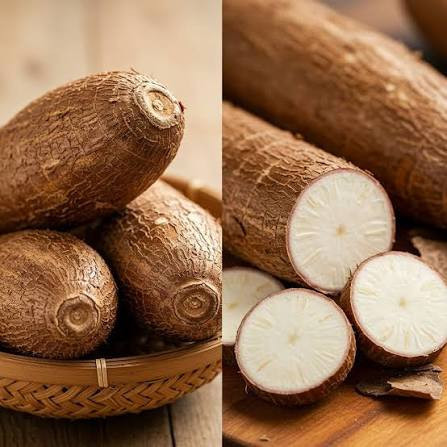
The Best Way to Build a Balanced Cassava Plate
Cassava works best when it is not alone on the plate. A cassava only meal may taste good, but it may not provide enough balance for steady comfort.
A better plate includes three parts.
1. A Small Portion of Cassava
Use cassava as the starch portion, not the whole meal. Boiled cassava is often a better everyday choice than deep fried cassava because frying can add extra fat and calories.
2. A Protein Food
Add fish, eggs, chicken, beans, tofu, yogurt, or another protein you enjoy. Protein helps make the meal more satisfying and balanced.
3. Colorful Vegetables
Add leafy greens, tomatoes, cucumbers, carrots, cabbage, okra, or other vegetables. This adds volume, fiber, and nutrients without making the meal feel too heavy.
Now it becomes a meal, not just a starch.
Simple Cooking Tips for Cassava After 50
Safe preparation should always come first. Cassava is not a food to rush.
Use this simple home routine:
- Buy cassava from a reliable seller.
- Choose roots that look fresh, firm, and not spoiled.
- Peel completely and remove the outer skin and rind.
- Cut into smaller pieces before cooking.
- Soak if the type or source is uncertain.
- Boil thoroughly until soft.
- Throw away the cooking water.
- Serve with protein and vegetables.
- Keep the portion moderate.
- Notice how your body feels afterward.
Food safety advice from the Centre for Food Safety recommends buying from reliable suppliers, cutting cyanogenic plants into smaller pieces, soaking in water, and cooking thoroughly in boiling water.
When Cassava May Feel Too Heavy
Some people over 50 feel fine after cassava. Others notice heaviness, fullness, or a slow stomach feeling, especially after large portions. This does not mean cassava is harmful for everyone. It simply means your portion or pairing may need adjustment.
Cassava may feel heavier when:
- You eat a large bowl at night.
- You eat it with another starch such as rice or bread.
- It is deep fried.
- You eat quickly without chewing well.
- You eat it without protein or vegetables.
- You are less active that day.
- You already feel bloated before the meal.
Here is a gentle tip: try cassava earlier in the day instead of late at night. Then take a short, comfortable walk after eating if that is safe for you. This simple routine may help you better understand how cassava fits your digestion and energy rhythm.
Cassava and Blood Sugar Awareness
Cassava is a carbohydrate rich food, so people who monitor blood sugar should be mindful of portion size and meal balance. This does not mean cassava must disappear from the plate. It means it should be eaten with awareness.
Pairing cassava with protein, vegetables, and healthy fats may help make the meal feel more balanced. Also, smaller portions are often easier to manage than large servings.
The truth is, many people focus only on what they eat, but the amount and the combination often matter just as much.
If you already follow a meal plan from a healthcare professional, use that plan first. Cassava should fit into your personal needs, not replace professional guidance.
Cassava Flour, Tapioca, and Processed Products
Cassava flour and tapioca products are popular, especially in gluten free cooking. They can be useful in some recipes, but they are not always the same as eating a whole cooked root.
Some processed cassava products may be lower in fiber and other nutrients, depending on how they are made. Medical nutrition summaries note that tapioca pearls are high in calories but may lack fiber and important micronutrients compared with less processed forms.
So, what should you choose?
For everyday meals, boiled cassava with real foods on the side is often more balanced than sweet tapioca desserts, fried cassava snacks, or cassava based baked goods eaten in large amounts.
But again, moderation is the key.
The “Body Check” Habit After Eating Cassava
This is the simple habit promised at the beginning.
After eating cassava, wait about two to three hours and do a calm body check. You are not trying to find something wrong. You are simply learning.
Ask yourself:
- How is my energy?
- How is my stomach?
- Do I feel light, steady, sleepy, or heavy?
- Was the portion comfortable?
- What did I eat with it?
Write down your answer once or twice. You may quickly notice a pattern. Maybe boiled cassava with fish and vegetables feels good, but fried cassava at night feels too heavy. Maybe a small portion feels fine, but a large portion makes you sleepy.
This is how healthy eating becomes personal.
A Simple Cassava Meal Idea for Older Adults
Try this gentle plate:
- One third to one half cup cooked cassava.
- A palm sized portion of fish, egg, tofu, beans, or chicken.
- Half a plate of vegetables.
- A small amount of olive oil, avocado, or nuts if desired.
- Water or unsweetened tea.
Eat slowly. Chew well. Stop when comfortably full.
This kind of plate lets cassava remain enjoyable without taking over the meal.
Common Mistakes to Avoid
Cassava is easier to enjoy when you avoid a few common habits.
- Eating cassava raw or undercooked.
- Leaving the peel or rind on.
- Eating a very large portion late at night.
- Combining cassava with several other starches in the same meal.
- Choosing fried cassava too often.
- Treating cassava as a miracle food.
- Ignoring how your body feels afterward.
Here is the gentle reminder: food does not need to be perfect to be healthy. It only needs to be prepared safely, portioned wisely, and matched to your body.
Final Thoughts
After 50, cassava can still be part of a comforting and enjoyable diet. The key is moderation, safe preparation, and personal awareness. Peel it well, cook it thoroughly, keep the serving reasonable, and pair it with protein and vegetables.
Most importantly, pay attention to your body after eating. Your energy, digestion, and comfort can tell you a lot.
Cassava is not something to fear. It is something to enjoy with care.
FAQ
Is cassava good to eat after 50?
Cassava can be enjoyed after 50 when it is properly prepared and eaten in moderation. It is rich in carbohydrates, so it works best as the starch portion of a balanced meal with protein and vegetables.
Can I eat cassava every day?
Some people eat cassava regularly, but variety is usually better for overall nutrition. If you eat cassava often, keep portions moderate, prepare it safely, and rotate it with other starches such as rice, oats, potatoes, sweet potatoes, beans, or whole grains.
Why do I feel sleepy or heavy after eating cassava?
Cassava is starch rich and calorie dense, so a large portion may feel heavy for some people. Try a smaller serving, eat it earlier in the day, and pair it with protein and vegetables to see whether your body feels more comfortable.
Disclaimer: This article is for general educational purposes only and is not a substitute for personal advice from a licensed healthcare professional.