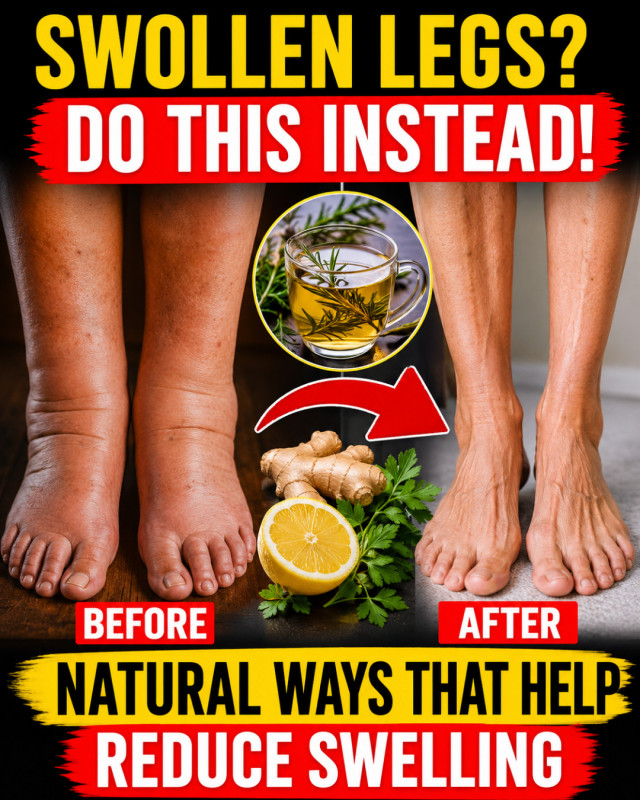
Swollen, aching legs can make an ordinary evening feel heavy, uncomfortable, and frustrating. Many people are told to rest, lift their feet, and drink more water, and while those steps may bring mild comfort, they do not always explain why the swelling keeps coming back. When the tissue feels tight, shoes leave marks, or one leg seems more affected than the other, the issue may need a closer look. The surprising part is that a few simple observations at home can help you understand whether your legs are reacting to a long day or showing signs of a deeper fluid problem.
Why Swollen Aching Legs Are So Common
Leg swelling is one of those symptoms people often normalize.
After standing at work, sitting during travel, eating a salty meal, or walking more than usual, the lower legs can feel heavy by the end of the day. Fluid naturally tends to collect in the lower body because gravity pulls it downward.
But here is the important part.
Not all swelling is the same.
Everyday swelling often improves after rest, movement, and elevation. It may come and go depending on activity, heat, salt intake, or long periods of sitting. Lymphedema, on the other hand, involves the lymphatic system, which helps move fluid through the body.
When that system does not move fluid as efficiently as it should, swelling may become more persistent. The tissue may feel thick, firm, or tight. Some people also notice skin changes, repeated heaviness, or a feeling that the leg is not bouncing back as it used to.
Everyday Swelling Versus Lymphedema
Understanding the difference matters because the same approach does not work equally for every type of swelling.
Everyday leg swelling is often temporary. It may happen after a long day, warm weather, travel, or too much time in one position. It usually improves when the legs are raised, the body moves, and circulation gets a gentle boost.
Lymphedema is different. It happens when lymph fluid builds up in the tissues. This may occur after lymph node removal, cancer related care, injury, infection, or sometimes without an obvious reason. It can affect one leg or both legs, although one side may look or feel more noticeable.
The truth is, many people do not realize they should watch the pattern, not just the size of the swelling.
Signs That Swelling May Need More Attention
Look for patterns like these:
- Swelling that does not fully improve overnight
- One leg becoming more swollen than the other
- Skin that feels tight, thick, or harder than usual
- Shoes, socks, or pants leaving deeper marks
- A heavy, full, or aching feeling that keeps returning
- Skin that looks shiny, stretched, or more sensitive
- Swelling that slowly becomes harder to press down
These signs do not automatically mean something serious is happening. They do mean your body is giving information worth paying attention to.

Why Rest And Water May Not Be Enough
Rest, hydration, and elevation can be useful supportive habits. They may help reduce mild fluid buildup from a long day.
But that is not the whole story.
If swelling is related to lymph fluid, the body may need more targeted support. The lymphatic system relies partly on muscle movement, breathing, skin health, and external pressure. Unlike the heart, it does not have one central pump pushing fluid around.
This is why a person may rest often but still feel heavy. The fluid may not simply need time. It may need better movement pathways.
This does not mean you should panic. It means the strategy should match the reason.
The Tissue Clue Many People Miss
One simple clue is how the tissue feels.
Soft swelling that appears after standing and improves after elevation may behave like regular fluid pooling. Swelling that feels firmer, tighter, or more resistant can suggest that fluid has been sitting in the tissue longer.
Here is the interesting part.
The skin and tissue can slowly change when swelling becomes ongoing. The area may feel less flexible. The ankle shape may look different. The foot may feel puffy. Socks may leave marks that last longer than expected.
A helpful at home habit is to compare both legs at the same time each day. Morning and evening checks can reveal patterns that are easy to miss when you only look once.
A Simple At Home Swelling Journal
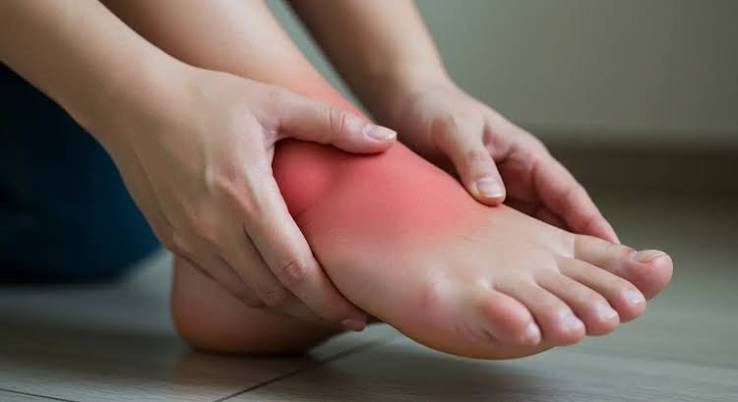
A swelling journal does not need to be complicated. It can help you explain your symptoms clearly during a medical visit and notice what makes your legs feel better or worse.
Use this simple format for seven days:
- Morning leg appearance
- Evening leg appearance
- Pain or heaviness level from 1 to 10
- Sock marks or shoe tightness
- Time spent sitting or standing
- Salt heavy meals or alcohol intake
- Walking, stretching, or exercise
- Whether elevation helped
- Whether one leg looked more swollen
- Any skin changes or warmth
This small habit can reveal a lot.
For example, swelling that is mostly worse after salty meals and long sitting may point toward lifestyle triggers. Swelling that keeps returning despite better habits may deserve a more careful conversation with a clinician.
Helpful Changes That Are Specific And Affordable
Many supportive changes are simple, low cost, and realistic. The goal is not to chase a miracle. The goal is to improve daily fluid movement and reduce avoidable strain.
1. Use Gentle Movement Throughout The Day
The calf muscles help push fluid upward. When you sit still for hours, that natural pumping action slows down.
Try this simple routine:
- Do 20 ankle circles every hour
- Rise onto your toes 10 times while holding a chair
- Walk for 3 to 5 minutes after long sitting
- Flex and point your feet while watching TV
- Avoid crossing your legs for long periods
Small movement done often is usually more helpful than one intense burst after hours of stillness.
2. Elevate With Better Positioning
Many people raise their feet, but not high enough or not long enough to notice a difference.
A more useful approach is to lie down and raise the legs so the feet are above heart level, when comfortable. Keep the knees slightly relaxed. Try 15 to 20 minutes and notice whether the heaviness changes.
But remember this.
If swelling is persistent, elevation may help comfort without addressing the full reason.
3. Care For The Skin Daily
Skin care is often overlooked, but it matters when swelling is present. Tight or swollen skin can become dry, irritated, or easier to injure.
A basic routine can include:
- Wash gently and dry between the toes
- Moisturize dry skin, avoiding heavy buildup between toes
- Check for cracks, cuts, redness, or warmth
- Wear comfortable shoes that do not rub
- Avoid walking barefoot if your skin is sensitive
Healthy skin supports comfort and lowers the chance of small problems becoming bigger ones.
4. Ask About Compression Before Buying Random Socks
Compression socks can be helpful for some people, but the wrong type, size, or pressure may be uncomfortable or unsuitable.
This is where guidance matters.
A pharmacist, podiatrist, physical therapist, or clinician may help you choose the right level and fit. Compression should feel supportive, not painful. It should not cause numbness, color changes, or worsening discomfort.
People with circulation concerns, nerve problems, diabetes, heart problems, or fragile skin should ask for professional guidance before using stronger compression.
5. Practice Slow Breathing
Deep breathing can support gentle lymph movement because the lymph system responds to pressure changes in the chest and abdomen.
Try this for two minutes:
- Sit comfortably
- Place one hand on the belly
- Breathe in slowly through the nose
- Let the belly expand gently
- Exhale slowly through the mouth
- Repeat without forcing
This does not replace medical care, but it is simple, free, and calming.
When Swelling Should Be Checked Promptly
Most leg swelling is not an emergency, but certain symptoms need faster attention.
Seek urgent help if leg swelling appears with chest pain, trouble breathing, fainting, coughing blood, or sudden severe shortness of breath. These signs can be related to serious heart or lung concerns.
Also contact a healthcare professional if swelling is sudden, painful, red, warm, one sided, or dramatically worse than usual. Sudden one sided swelling can sometimes require quick evaluation.
Do not wait for swelling to become severe before asking for help. A calm early conversation can prevent confusion and help you choose safer next steps.
What A Professional May Look For
A clinician may ask when the swelling began, whether it affects one or both legs, what makes it better, and whether you have other symptoms.
They may also check skin texture, pulses, tenderness, veins, heart related signs, medication history, and past surgeries or injuries. If lymphedema is suspected, they may refer you to a trained lymphedema therapist or specialist.
This is not about fear.
It is about matching the right support to the right cause.
The Home Strategy That Many People Overlook
The most overlooked strategy is consistency.
People often elevate their legs once, drink more water for a day, or buy random compression socks, then feel discouraged when swelling returns. But fluid problems usually respond better to small habits repeated daily.
A realistic daily plan could look like this:
- Morning skin check
- Comfortable walking or ankle movement
- Short movement breaks during sitting
- Lower salt meals most days
- Leg elevation in the evening
- Footwear that does not squeeze the ankles
- Weekly notes on swelling patterns
This simple structure helps you stop guessing.
Conclusion
Swollen, aching legs can come from everyday strain, but persistent swelling deserves more attention than rest and water alone. The key is learning the pattern: when it appears, how the tissue feels, whether one side is worse, and whether it improves overnight.
Everyday swelling often responds to movement, elevation, and better daily habits. Lymphedema related swelling may need more specific support, including skin care, guided compression, exercise, and professional input.
The quiet secret is this: your legs often give clues before the problem becomes harder to manage. Paying attention early can help you choose smarter, safer steps.
FAQ
Why do my legs swell more at night?
Legs often swell more at night because fluid collects in the lower body during the day, especially after standing, sitting, heat exposure, or salty meals. If swelling does not improve by morning or keeps getting worse, it is worth discussing with a healthcare professional.
Can walking help swollen aching legs?
Gentle walking may help because calf muscles support fluid movement upward. Short, frequent walks are often easier than long sessions. If walking causes sharp pain, sudden swelling, or unusual shortness of breath, stop and seek guidance.
Is lymphedema the same as normal leg swelling?
No. Normal leg swelling is often temporary and linked to daily habits or position. Lymphedema involves lymph fluid buildup and may be more persistent, firm, or one sided. A professional evaluation can help clarify what is happening.
Medical disclaimer: This article is for educational purposes only and should not replace personal medical advice from a qualified healthcare professional.