You open the fridge for your morning juice and that stale, lingering odor hits you again—the one that no amount of wiping or spraying seems to fully erase. Later, you notice the oven still carries the memory of last week’s dinner, and the carpet in the living room holds onto cooking smells long after guests have left. You’ve tried the usual bottles under the sink, but the costs keep adding up and those strong fumes often leave you reaching for fresh air. It feels like a never-ending cycle of temporary fixes that never quite deliver the fresh, comfortable home you want.

The good news is that one inexpensive pantry staple you probably already have can tackle a surprising number of these everyday frustrations. Baking soda offers a gentle, versatile approach that focuses on neutralizing odors at the source and lifting common grime without the heavy chemical load many commercial products carry. But the real advantage goes beyond a single use. Stick with me through this guide, because I’m going to share practical methods that fit into real life—plus one often-overlooked safety application that could prove valuable in any kitchen.
Why Baking Soda Deserves More Credit in Your Cleaning Routine
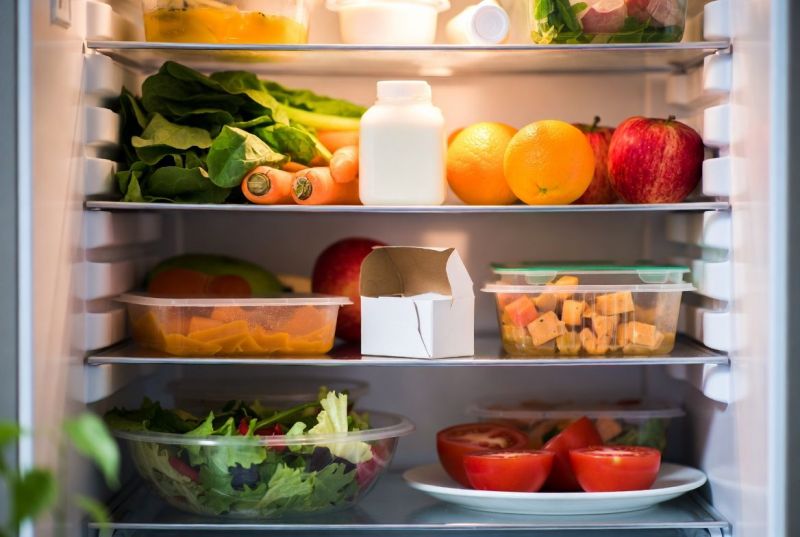
Baking soda, or sodium bicarbonate, is a naturally occurring mineral with a mild alkaline nature. This helps it interact with acidic odor molecules, effectively neutralizing many common household smells rather than simply masking them. Its fine texture also provides gentle abrasion when used as a paste or sprinkled on a damp surface, making it useful for lifting light soils and stains without scratching most everyday materials.
Household cleaning resources consistently highlight its affordability and low-toxicity profile when used properly. A single box typically costs very little and can serve multiple rooms for weeks or months. Unlike many ready-made cleaners that come with strong fragrances or residues, baking soda leaves minimal scent once rinsed or vacuumed, which many people appreciate—especially in homes where strong smells can feel overwhelming.
What makes it particularly practical is its simplicity. You don’t need fancy equipment or complicated formulas. A box from the grocery store, some water, and a few basic tools like a sponge or old toothbrush are usually enough to get started. The key is knowing which jobs it handles well and giving it enough time to work.
Freshening the Kitchen Without the Heavy Lifting
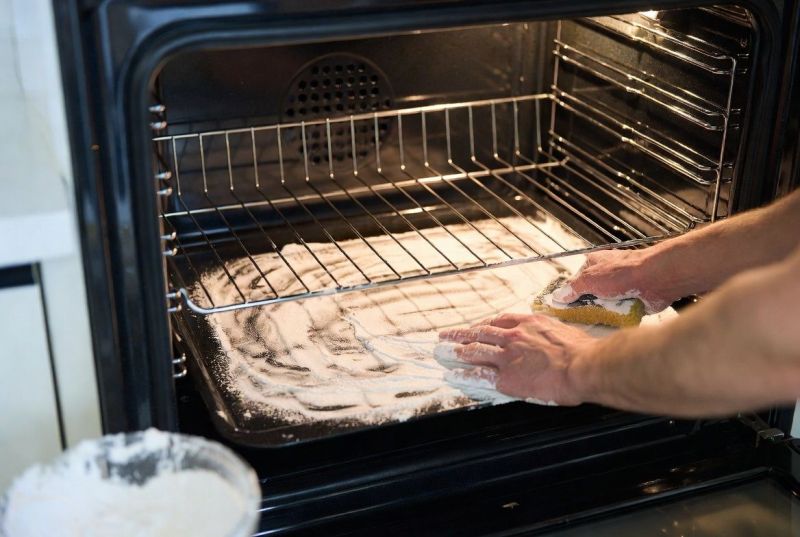
The kitchen sees the most daily activity, so it’s often where odors and spills accumulate first. Here are straightforward ways to use baking soda that require minimal scrubbing and fit easily into a regular routine.
Refrigerator and freezer deodorizing
Place an open box or a small bowl filled with about one cup of baking soda on a shelf toward the back. It works by absorbing odors from foods like onions, fish, or leftovers. Replace the box every three to four months, or sooner if you notice smells returning. For a quicker boost, you can also wipe interior surfaces with a solution of one teaspoon baking soda dissolved in one quart of warm water, then rinse and dry thoroughly. This method keeps things fresh between deep cleans and requires almost no effort once set up.
Oven and stovetop maintenance
For baked-on spills, mix half a cup of baking soda with a few tablespoons of water to form a spreadable paste. Apply it to cool oven surfaces (avoid heating elements and the self-cleaning feature if your model has special instructions—always check the manual first). Let it sit overnight or for several hours. The next day, wipe away the loosened residue with a damp cloth or sponge. For extra help on tough spots, add a small amount of dish soap to the paste. This approach avoids the strong fumes of many commercial oven cleaners and works while you sleep.
Sink and drain freshening
Sprinkle baking soda directly onto a damp sponge or cloth and scrub the sink basin and faucet. Rinse well. For drains, pour half a cup of baking soda down the drain, followed by one cup of white vinegar. Let the mixture fizz and work for 10–15 minutes, then flush with hot water. This combination helps loosen minor buildup and reduces odors through mechanical action and the reaction. Use it weekly as preventive maintenance rather than waiting for a full clog.
Microwave steam clean
Place a microwave-safe bowl with two cups of water and two tablespoons of baking soda inside. Heat on high for three to five minutes until steam fills the interior. Carefully remove the bowl (it will be hot) and wipe down the walls, ceiling, and turntable with a damp cloth. The steam loosens splatters while the baking soda helps neutralize lingering food smells.
These steps work best when you let the baking soda sit rather than rushing the scrubbing. Many people find that patience here reduces physical effort, which matters on days when energy is limited.
Bringing Freshness to the Bathroom
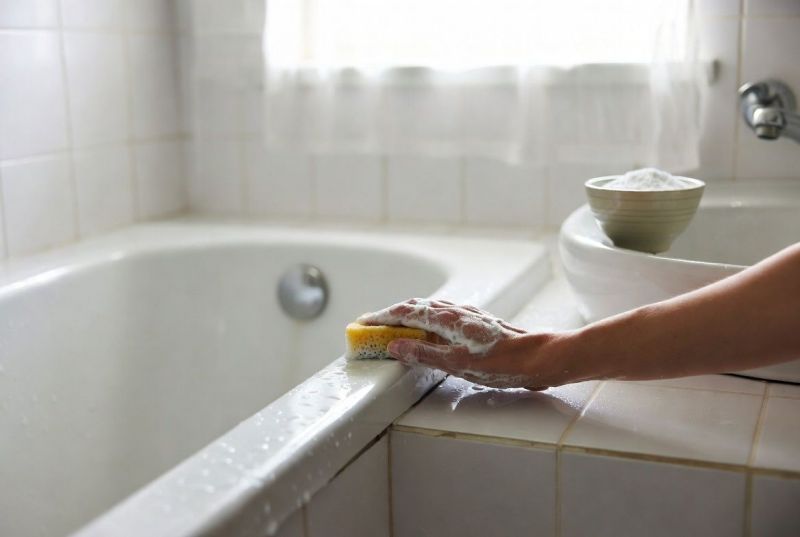
Bathrooms can develop soap scum, hard-water spots, and musty odors quickly. Baking soda offers a low-fume alternative for routine care.
Sprinkle baking soda into the toilet bowl, let it sit for a few minutes, then scrub with a toilet brush and flush. For the exterior and tank, use a damp cloth with baking soda to wipe surfaces. In the shower and tub, make a paste and apply it to tiles, grout lines, and the tub surround. Let it dwell for 10–15 minutes before scrubbing gently with a soft brush and rinsing. For soap scum on glass doors or shower curtains, the same paste works well—apply, wait, and wipe.
The mild action means you can often achieve good results with less aggressive scrubbing than harsher products require. Always rinse surfaces thoroughly so no white residue remains.
Reviving Carpets, Upholstery, and Laundry
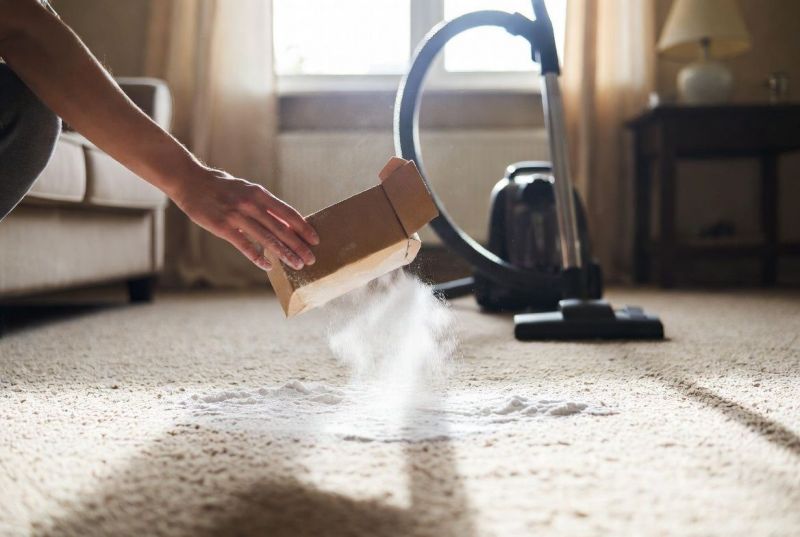
Soft surfaces absorb odors from daily life—cooking, pets, or simply being lived in. Baking soda helps pull those smells out without liquid cleaners that can leave dampness behind.
For carpets and area rugs, sprinkle a generous layer of baking soda, let it sit for at least 15–30 minutes (longer is better, even overnight if possible), then vacuum thoroughly. This works especially well in high-traffic areas or after cooking strong-smelling meals. For upholstered furniture and mattresses, lightly dust the surface, allow it to sit, and vacuum. Focus on seams and crevices where odors hide.
In the laundry, add half a cup of baking soda along with your regular detergent. It helps neutralize odors in towels, bedding, and activewear while making whites appear brighter over time. For pre-treating collars or underarm areas, make a paste, apply it, let it sit 15 minutes, then wash as usual.
These fabric and floor uses require almost no extra products and integrate easily into existing cleaning days.
The Comparison That Often Changes Minds
Before reaching for another specialized cleaner, consider how baking soda stacks up for routine jobs:
| Aspect | Typical Commercial Cleaners | Baking Soda Approach |
|---|---|---|
| Cost per use | Often $0.50–$2+ per application | Usually pennies per use |
| Fumes and residue | Can be strong; may linger or require rinsing | Minimal when rinsed or vacuumed |
| Versatility | Usually task-specific | Handles odor control, light scrubbing, and more across rooms |
| Physical effort | Varies; some require heavy scrubbing | Often less aggressive scrubbing needed |
| Storage and clutter | Multiple bottles under the sink | One box serves many purposes |
| Environmental packaging | Frequent plastic bottles | Simple cardboard box, minimal waste |
Baking soda will not replace every heavy-duty product for the toughest grease or set-in stains, but it handles a large portion of daily and weekly maintenance effectively. Many households find they reach for fewer bottles once they start using it consistently.
Habits That Can Undermine Results (And How to Avoid Them)
Even a helpful product like baking soda performs best with the right approach. Here are common missteps worth steering clear of.
Never mix baking soda with bleach or products containing bleach. The combination can release irritating or toxic gases. This is one habit that deserves a firm warning—keep cleaning agents separate and read labels carefully.
Avoid using it on aluminum surfaces, unfinished wood, or polished natural stone such as marble and granite without testing first. The alkalinity and mild abrasion can cause discoloration or dulling over repeated use on these materials. Always try a small, hidden spot first and follow manufacturer guidance for delicate surfaces.
Do not expect instant miracles on heavy, set-in grime. Baking soda works through contact time and gentle action. Rushing the process or skipping the dwell time often leads to disappointment and extra scrubbing.
Finally, replace baking soda used for odor control regularly. Once it becomes saturated with moisture and odors, it loses effectiveness. A quick test: if a small amount no longer fizzes vigorously when dropped into vinegar, it’s time for a fresh box.
One Practical Safety Application Worth Knowing
Beyond cleaning, keep a dedicated box of baking soda in or near the kitchen for a different reason. In the event of a small grease fire on the stovetop, you can carefully sprinkle baking soda over the flames to help smother them. The heat causes it to release carbon dioxide, which displaces oxygen. Never use water on a grease fire, as it can cause the burning oil to spread. This is a simple preparedness step that costs little and takes almost no space.
Building a Sustainable Weekly Routine
Small, consistent actions often create the biggest difference. Here’s a realistic starter plan you can adapt:
- Day 1 (Fridge refresh): Wipe interior with baking soda solution and replace the odor-absorbing box.
- Day 2 (Oven and stovetop): Apply paste to cool surfaces and let it work overnight.
- Day 3 (Bathroom touch-up): Use paste on toilet, sink, and shower surfaces.
- Day 4 (Laundry boost): Add baking soda to a load of towels or bedding.
- Day 5 (Carpet and upholstery): Sprinkle, let sit, and vacuum key areas.
- Day 6 (Drains and sinks): Perform the baking soda and vinegar treatment on main drains.
- Day 7 (Quick review): Check any white residue, vacuum again if needed, and note what worked best for your home.
This schedule spreads the work and builds familiarity without overwhelming any single day. Over time, you may find certain steps become automatic.
Bringing It All Together
The goal isn’t perfection or eliminating every commercial product overnight. It’s about recognizing that one versatile, low-cost item can reduce clutter, lower ongoing expenses, and contribute to a fresher-feeling living space with fewer strong chemical exposures. The methods above emphasize letting time do some of the work, which often means less physical strain and better results.
Start with the areas that bother you most—whether that’s the fridge smell before visitors arrive or the oven you avoid tackling. Small successes build momentum, and you may soon wonder why you didn’t lean on this pantry staple more often.
Frequently Asked Questions
How often should I replace the baking soda box in my fridge?
Most sources suggest every three to six months. You’ll know it’s time when odors return more quickly or when a test sprinkle in vinegar produces only weak fizzing. Mark the date on the box to stay consistent.
Can baking soda be used safely on all kitchen counters and sinks?
It works well on many common surfaces like stainless steel, enamel, and sealed laminate when rinsed thoroughly. Always test first on stone, wood, or any surface you’re unsure about, and avoid prolonged contact with aluminum.
Does baking soda disinfect surfaces?
No. It helps remove soils and neutralize certain odors, but it does not kill germs the way dedicated disinfectants or sanitizers do. For situations where disinfection matters, follow up with an appropriate product after cleaning.
Disclaimer: This article is for general informational purposes only and does not constitute medical, safety, or professional cleaning advice. Results vary by surface, usage, and individual circumstances. Always test products in inconspicuous areas first, follow manufacturer instructions for appliances and surfaces, and consult qualified professionals for specific concerns such as severe clogs, fire safety, or health-related questions. Never mix cleaning agents unless explicitly directed by reliable sources, and ensure proper ventilation when cleaning.