You stand in front of the mirror after your usual wash and notice your skin has that flat, tired look with uneven texture that no cream seems to fully smooth away, and it brings a quiet wave of self-consciousness when you think about stepping out or seeing family later. It is frustrating when simple daily efforts do not deliver the fresh appearance you hope for, and it is easy to feel tempted by stronger products that promise quick fixes but often leave skin feeling worse. The reality is that a common kitchen item many already have can play a supporting role when handled with real care, yet most people miss the mark by rushing in without the right preparation or limits. What surprises many is how much the exact method, the dilution, and the frequency decide whether the result feels helpful or irritating – and that is the part we will walk through together.
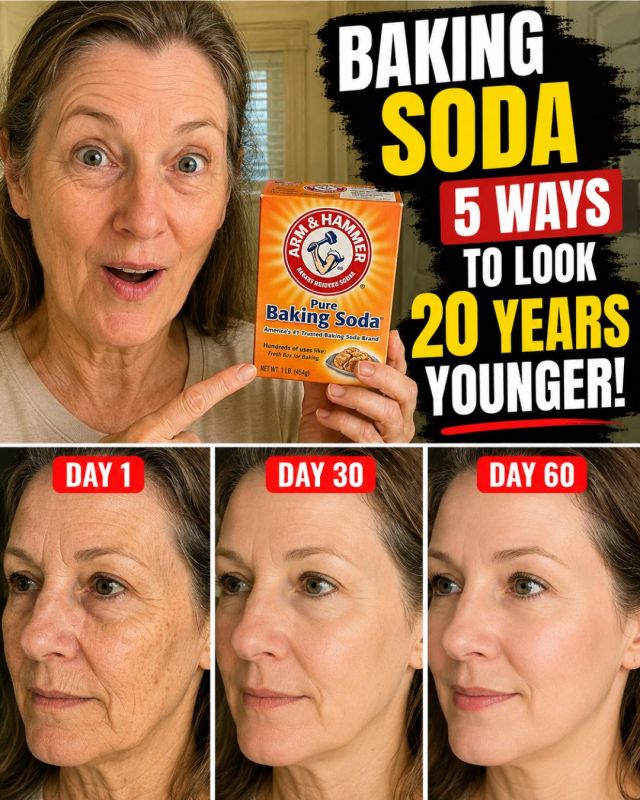
Why Surface Dullness Appears and What Gentle Habits Can Offer
Skin naturally renews itself, but over time the outermost layer can hold onto dead cells longer than ideal, especially when cleansing routines are not quite thorough or when environmental exposure adds to the buildup. This layer of spent cells can make skin appear less vibrant and feel rougher to the touch, which in turn affects how light reflects and how products sit on the surface. Research into mild exfoliation suggests that assisting the natural shedding process in a controlled way can help skin look smoother and brighter when everything else in the routine supports it.
Many people try to solve this by scrubbing harder or using products that are too strong for their current skin condition. The result is often redness, tightness, or even more dryness – the opposite of the fresh look they wanted. That is why the focus here stays on truly gentle approaches that respect the skin barrier rather than stripping it. Baking soda, when heavily diluted and used sparingly, offers a mild physical action plus a pH shift that some find helpful for lifting surface debris without aggressive abrasion.
But that is not the whole story. The same ingredient that can feel softening in one situation can feel harsh in another if the proportions are off or if it is applied too often. Understanding this difference is what separates a helpful habit from one that backfires.
Getting the Basics Right Before You Begin
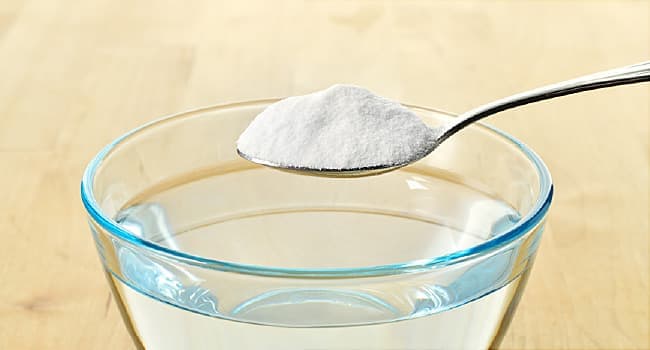
Before trying any new habit with baking soda, a few non-negotiable steps protect your skin and help you notice whether it agrees with you.
- Always perform a patch test: mix a small amount, apply it to the inner forearm, and wait 24 hours to check for redness, itching, or burning.
- Dilute properly every single time – never use the powder straight from the box on skin.
- Avoid broken skin, active rashes, eczema flares, or any area that already feels sensitive.
- Follow every use with a good moisturizer to help the skin barrier recover.
- Start with once a week at most and watch how your skin responds before increasing frequency.
- Stop immediately if you see irritation and give skin time to settle before considering other options.
Here is a simple reference for safe starting points:
| Use Area | Suggested Dilution | Frequency to Start | Aftercare |
|---|---|---|---|
| Body (arms, legs) | 1–2 tsp baking soda + 2–3 Tbsp gentle oil or unscented lotion | Once per week | Rich moisturizer immediately |
| Bath soak | ¼–½ cup in full tub of warm water | 1–2 times per week | Pat dry, moisturize |
| Feet | 2–3 Tbsp in basin of warm water | 1–2 times per week | Thick cream + cotton socks |
| Hands | 1 tsp + 1 Tbsp oil or cream | Once per week | Moisturizer + gloves if overnight |
| Face (optional & cautious) | ¼ tsp in 2 Tbsp water or honey, very thin | Once every 2 weeks max | Immediate rich moisturizer |
5 Gentle Baking Soda Habits for Supporting Fresher-Looking Skin
1. Diluted Body Polish for Smoother Texture
This habit focuses on areas where skin tends to build up dead cells most noticeably – the arms, legs, and sometimes the back. The goal is to lift that surface layer gently so skin feels softer and light reflects more evenly, giving a fresher appearance without stripping the whole body.
Mix one to two teaspoons of baking soda with two to three tablespoons of a mild carrier such as fractionated coconut oil, sweet almond oil, or even your regular unscented body lotion. The oil or lotion cushions the mild grains so the action stays gentle rather than scratchy. In the shower, after you have cleansed, apply the mixture to damp skin using light circular motions with your fingertips or a soft cloth. Spend no more than one minute per area and use almost no pressure – think of it as polishing rather than scrubbing a floor.
Rinse thoroughly with lukewarm water, not hot, because hot water can increase dryness. Pat the skin dry instead of rubbing and apply a generous layer of moisturizer right away while the skin is still slightly damp. This traps hydration and helps the barrier recover quickly.
Many people notice that after a few careful sessions their skin feels noticeably smoother when they run a hand over it, and lotions absorb better instead of sitting on top. But here is where most mistakes happen: using the mixture on the face, scrubbing vigorously, or repeating it every day. Those choices can leave skin tight, red, and more prone to irritation – exactly what you are trying to avoid. Keep it to once a week at the beginning and always listen to how your skin feels the next day.
2. Relaxing Baking Soda Bath Soak
A full-body soak gives the ingredient a chance to interact with larger areas in a very diluted, low-friction way. The warm water softens the skin first, and the baking soda can help lift light surface debris while leaving skin feeling softer afterward.
Run a warm (not hot) bath and add between one-quarter and one-half cup of baking soda while the water is filling. Stir to help it dissolve. Soak for fifteen to twenty minutes, allowing your body to relax. You can gently rub a soft washcloth over arms or legs if you like, but there is no need for heavy scrubbing – the combination of water and the mild alkali does most of the work.
When you step out, pat dry rather than rubbing. Apply moisturizer while skin is still damp to seal in the softness. Some people like to follow with a light layer of oil for extra comfort, especially on drier areas.
This habit tends to leave skin feeling refreshed and comfortable rather than tight. It can be particularly welcome after a day outdoors or when skin feels generally dull from weather exposure. The key caution is water temperature: too hot and you can dry the skin further, undoing the benefit. Also avoid adding other strong ingredients like essential oils or vinegar in the same bath until you know how your skin responds to the baking soda alone.
3. Targeted Foot Soak for Smoother, Fresher-Feeling Skin
Feet often show dullness and rough texture first because they endure daily friction and are frequently neglected in routines. A gentle soak can soften that outer layer so heels and soles feel smoother and look better cared for.
Fill a basin with warm water and add two to three tablespoons of baking soda. Stir until mostly dissolved. Soak your feet for ten to fifteen minutes. Afterward, use a soft towel or a very gentle foot file only on the thickened areas – never on red or thin skin. Rinse the feet, pat dry, and apply a thick moisturizing cream or balm. Some people put on cotton socks afterward to help the cream work overnight.
Over a few sessions spaced a week apart, many notice the skin on the feet feels less rough and more supple. The fresh feeling can be surprisingly satisfying when you slip on shoes or walk barefoot at home. The mistake to avoid here is soaking in very hot water or using the baking soda every night. Overuse can dry the skin and make roughness worse in the long run. Once a week or every ten days is plenty for most people.
4. Hand and Cuticle Softening Treatment
Hands are on constant display and often show dryness and texture before other areas. This small habit can help keep them feeling and looking smoother with very little effort.
Mix one teaspoon of baking soda with one tablespoon of a gentle oil or your usual hand cream to form a loose paste. After washing hands, massage the mixture gently into the backs of the hands, around the knuckles, and into the cuticles for about thirty to sixty seconds. Rinse with lukewarm water, pat dry, and apply a richer hand cream or balm. For extra benefit, some people wear cotton gloves for twenty minutes or overnight after the treatment.
Because hands are washed frequently, they benefit from this occasional extra step without needing daily application. The gentle action can lift dry flakes that make skin look tired. As with all the other habits, the after-moisturizer step is non-negotiable – skipping it can leave hands feeling tighter than before you started.
5. The Ultra-Cautious Occasional Approach for Facial Skin
This last option comes with the strongest caution because facial skin is thinner, more exposed, and generally less tolerant of alkaline ingredients than body skin. Many dermatologists advise against routine use of baking soda on the face precisely because it can disrupt the skin’s natural acid balance and weaken the barrier, leading to dryness, redness, or increased sensitivity over time.
If you still wish to explore it, limit the habit to once every two weeks at most and keep the mixture extremely dilute. Stir one-quarter teaspoon of baking soda into two tablespoons of plain water or raw honey to create a very thin solution or loose paste. Apply it with clean fingertips or a soft cotton pad using almost no pressure – simply glide it over the skin for no more than thirty to sixty seconds. Rinse immediately and thoroughly with cool or lukewarm water. Follow at once with a rich, barrier-supporting moisturizer that contains ingredients such as ceramides or hyaluronic acid if your skin tolerates them.
Even with these precautions, some people still experience stinging or tightness. If that happens, stop completely and return to your regular gentle routine. Many find that dedicated, pH-balanced facial exfoliants designed for mature or sensitive skin deliver a similar smoothing effect with far less risk. The face is an area where “less is more” almost always holds true.
How to Know If These Habits Are Helping – And When to Pause
After two or three careful sessions, check how your skin feels and looks in natural light. Positive signs include smoother texture when you touch your skin, better absorption of moisturizer, and a subtle improvement in how light reflects off the surface. These changes tend to build gradually rather than appear overnight.
Watch for any redness that lasts more than a few hours, increased tightness, flaking that was not there before, or stinging when you apply products. Those are clear signals to stop and give your skin a rest. Skin that is already dry or sensitive often needs more recovery time between any form of exfoliation, even gentle ones.
Supporting These Habits with Everyday Practices
These baking soda approaches work best when they sit inside a larger gentle routine rather than standing alone. Consistent lukewarm cleansing, daily moisturizing, and protection from harsh weather all help skin maintain its natural balance. Drinking enough water and eating a varied diet supply the building blocks skin needs from the inside, though no single food or habit replaces a thoughtful external routine.
The strongest warning is against the “more is better” mindset. Using any exfoliating method too often or too aggressively is one of the fastest ways to end up with compromised skin that looks and feels older, not fresher. Patience and restraint almost always win.
Frequently Asked Questions
Can baking soda really help skin look fresher?
When used in heavily diluted form on suitable areas and followed by moisturizer, it can assist in lifting dead surface cells that contribute to dullness. Results vary from person to person and appear gradually with consistent, careful use. It is not a replacement for a complete skincare routine or professional advice.
Is baking soda safe for sensitive skin?
Many people with sensitive or easily irritated skin find even diluted baking soda too disruptive. A thorough patch test and very slow introduction are essential. If any discomfort appears, it is best to discontinue and consider products specifically formulated for sensitive skin instead.
How often should these habits be used?
Most people do well starting with once a week for body areas and even less often for facial skin if exploring that option. Frequency should always be guided by how your own skin responds rather than a fixed schedule. When in doubt, do less and observe.
This article is for informational purposes only and does not constitute medical, dermatological, or professional skincare advice. Individual skin responses vary widely. Always consult a qualified healthcare professional or dermatologist before beginning any new skincare practice, particularly if you have existing skin conditions, sensitivities, or concerns. If irritation occurs, discontinue use and seek appropriate care.