Many people feel their stomach tighten when the doctor hands over lab results showing creatinine a little higher or GFR a little lower than the last check. These numbers quietly tell the story of how hard your kidneys are working to clear waste from your blood, and any shift can bring a wave of uncertainty about energy, independence, and the simple routines you count on. What makes it more frustrating is the lack of clear, everyday guidance on which ordinary foods might actually fit into a supportive pattern without creating new worries about minerals or restrictions. The good news is that researchers have looked closely at certain vegetables for their nutrient balance and how they fit into eating habits linked with steadier kidney markers over time. By the time you finish reading, you will know exactly which five stand out, why they earn their place, and the simplest ways to bring them into meals you already enjoy.

Why These Lab Numbers Matter More Than Most People Realize
Creatinine is a waste product created when your muscles use energy. Your kidneys filter it out of the blood and send it out through urine. GFR, or glomerular filtration rate, estimates how much blood your kidneys clean every minute. When creatinine rises or GFR drops, it often means the kidneys are filtering more slowly than before.
The numbers can shift for many everyday reasons. Dehydration, a heavy workout, certain medications, or even a big steak dinner the night before can nudge them temporarily. As the years pass, a gradual change is common for many people, which is why regular checks matter. The key point is that these markers reflect the whole picture of your health habits, not just one meal.
How Everyday Vegetables Fit Into the Bigger Picture
Research keeps pointing to the same pattern: people who eat more fiber-rich plant foods tend to show modest associations with better kidney markers in several studies. One analysis found that adding fiber through food was linked to lower creatinine and slightly better estimated GFR in some individuals with chronic kidney disease. Plant foods also bring antioxidants and compounds that may ease everyday inflammation and oxidative stress, two factors that researchers connect to long-term kidney comfort.
At the same time, fresh vegetables are naturally low in sodium when you prepare them simply. That helps support healthy blood pressure, a major factor in how kidneys feel over time. The gut-kidney connection is another piece scientists are exploring. Fiber from vegetables feeds beneficial bacteria that help move waste out through the digestive tract instead of leaving extra work for the kidneys.
But here is the honest part most quick-fix articles skip. No single vegetable dramatically changes lab results on its own. These foods work best as steady players in an overall way of eating that also includes good hydration, sensible protein portions, movement you enjoy, and regular medical follow-up. That is the approach that gives your body the best chance to keep doing its job well.
Top 5 Vegetables That May Support Healthier Creatinine and GFR Levels Naturally
These five vegetables appear again and again in kidney-friendly eating guidance because they deliver helpful nutrients while staying relatively low in potassium and phosphorus for most people. They are widely available, affordable, and easy to prepare in simple home kitchens around the world.
1. Red Bell Peppers
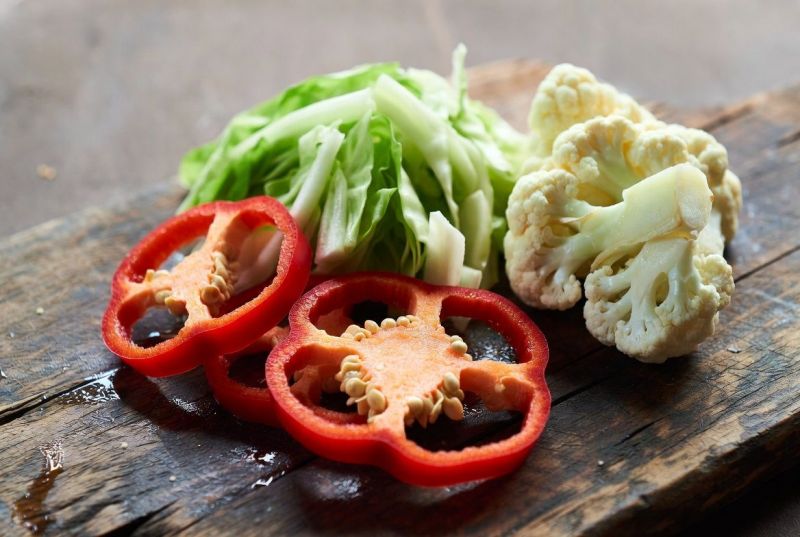
Red bell peppers earn their spot for being naturally low in potassium and phosphorus while offering a generous supply of vitamin C and other antioxidants. Vitamin C helps the body manage everyday oxidative stress, and the fiber content supports steady digestion. Many kidney care organizations list them as a smart choice because they add color, crunch, and flavor without overloading the minerals that sometimes need watching.
You can enjoy them raw in salads or with a simple yogurt dip, roasted until sweet and tender, or sliced into stir-fries and omelets. A quick roasting method works well for busy days: slice the peppers, toss lightly with olive oil and dried herbs, and bake at 200°C (400°F) for about 20 minutes. The result is sweet, soft, and easy to chew.
2. Cabbage
Cabbage is a humble cruciferous vegetable that brings fiber, vitamin C, and unique plant compounds called phytochemicals. These compounds have drawn research interest for their potential role in supporting the body’s natural defense systems. Cabbage is also very filling for relatively few calories, which can help with comfortable portions at meals.
Shredded raw cabbage makes a crisp slaw with a little lemon and herbs. Steamed or lightly boiled cabbage pairs beautifully with garlic and a touch of olive oil. It keeps well in the fridge for several days, making it practical for weekly meal prep. Many families around the world already use cabbage in soups, stir-fries, and salads, so it fits easily into familiar routines.
3. Cauliflower
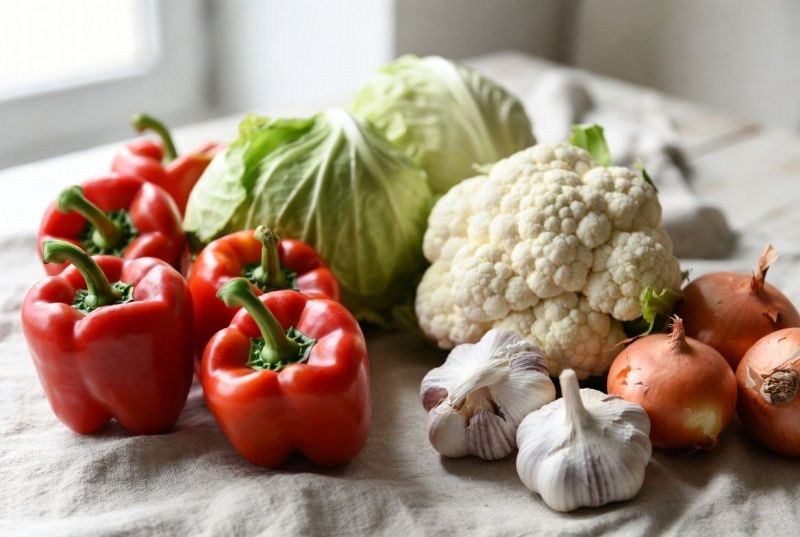
Cauliflower offers another cruciferous option with a mild flavor that takes on whatever seasoning you add. It provides fiber, vitamin C, and antioxidants while remaining low in potassium compared with starchy vegetables like potatoes. Some people use mashed cauliflower in place of mashed potatoes, which keeps carbohydrate load gentler on blood sugar, an important factor for kidney health.
Steam florets until soft, then mash with a little garlic and olive oil for a comforting side. Roast whole florets with onions and herbs until golden. Or pulse raw cauliflower in a food processor for a quick “rice” that cooks in minutes. Its versatility makes it easy to rotate into different meals throughout the week.
4. Garlic
Garlic stands out because of its sulfur-containing compounds, especially allicin that forms when you crush or chop the cloves. Small studies, including research on renal transplant patients, have explored whether these compounds may offer supportive effects on kidney markers and blood pressure. Garlic also lets you add big flavor to dishes without reaching for the salt shaker, which helps keep sodium intake in check.
Crush or finely chop garlic and let it sit for 10 minutes before cooking. This simple step helps preserve more of the beneficial compounds. Add it to roasted vegetables, soups, or dressings. If you take blood-thinning medication, check with your doctor before increasing garlic, as it can have a mild effect on clotting in some people.
5. Onions

Onions bring quercetin, a flavonoid antioxidant, along with prebiotic fibers that feed good gut bacteria. Like garlic, they add savory depth to meals while staying low in the minerals that sometimes need attention. Their natural sweetness develops beautifully when cooked slowly, making them useful for flavoring without extra salt or sugar.
Sauté sliced onions until golden and use as a base for soups, stews, or vegetable dishes. Raw red onion adds a sharp crunch to salads and sandwiches. Both yellow and red varieties work well. Keep a few on hand and you always have an easy way to boost taste and potential benefits in one step.
Here is a quick comparison to help you see how they stack up nutritionally at typical serving sizes:
| Vegetable | Approx. Potassium (½ cup cooked) | Standout Nutrients | Fiber (g per ½ cup) | Easy Ways to Prepare |
|---|---|---|---|---|
| Red Bell Pepper | 80–90 mg | Vitamin C, B6, lycopene | 1–2 | Roast, raw in salads, stir-fry |
| Cabbage | ~60 mg | Vitamin C, phytochemicals | ~1.5 | Slaw, steamed, soup |
| Cauliflower | ~90 mg | Vitamin C, K, antioxidants | ~2 | Mash, roast, rice substitute |
| Garlic | Low | Allicin, sulfur compounds | <1 | Crush into dishes, roast whole |
| Onions | ~100 mg | Quercetin, prebiotic fiber | ~1.5 | Sauté, raw, caramelize |
Values are approximate and can vary by exact variety and preparation. Your own needs may differ, so a quick conversation with your healthcare team or a renal dietitian is always wise.
Simple Steps to Bring These Vegetables Into Your Week
Start with one or two additions rather than trying to change everything at once. That approach feels manageable and helps you notice what you actually enjoy.
- Choose one meal tomorrow and add a half-cup serving of any of these five vegetables.
- Wash and chop two or three days’ worth on the weekend so they are ready when you are tired.
- Flavor with garlic, onion, lemon, fresh herbs, or a pinch of turmeric instead of salt.
- Build one simple dinner this week around roasted peppers and cauliflower with a lean protein or lentils and a side of cabbage slaw.
- Keep a small notebook or phone note of how your energy and digestion feel after a few days of consistent vegetable portions.
These small, repeatable actions often matter more than any single “super” food. Over weeks and months they add up to a steadier eating pattern that supports your kidneys and your overall well-being.
Habits That Can Quietly Work Against Your Goals
Even when you add good vegetables, a few common patterns can hold progress back. Drinking too little fluid throughout the day can make creatinine readings look higher temporarily. Large, frequent portions of red or processed meat increase the workload on kidneys for some people. Heavy use of salty packaged foods or sauces pushes blood pressure upward, which strains the delicate filtering units over time.
Over-the-counter pain relievers like ibuprofen or naproxen can affect kidney function in some individuals when used regularly. If you rely on them often, ask your doctor about safer options for everyday aches. Skipping regular lab checks or follow-up visits also means small changes can grow unnoticed.
The encouraging truth is that most of these habits are within your control to adjust, one choice at a time.
Bringing It All Together

These five vegetables — red bell peppers, cabbage, cauliflower, garlic, and onions — offer practical, research-supported reasons to include them regularly. They deliver fiber, antioxidants, and flavor while fitting comfortably into many kidney-conscious eating styles. When you pair them with steady hydration, sensible protein choices, movement that suits your body, and open conversations with your doctor, you give your kidneys the everyday support they respond to best.
You now have the list and the simple ways to start. The next step is choosing one vegetable and one meal to try tomorrow. Small, consistent actions like that are what truly move the needle over time.
Frequently Asked Questions
Can these vegetables quickly lower my creatinine or raise my GFR?
No single food produces rapid or dramatic changes in lab numbers. Research shows that consistent patterns of eating more fiber-rich vegetables, staying well hydrated, and managing blood pressure and blood sugar are associated with steadier kidney markers for many people over months. Individual results vary widely. Your doctor is the best person to interpret your specific numbers and guide any changes.
Should I avoid all high-potassium vegetables if my GFR is below a certain level?
Potassium needs are highly individual. Some people with lower GFR need to watch portions or preparation methods for higher-potassium foods, while others tolerate them fine. The vegetables highlighted here are generally lower in potassium and easier to include. Work with your healthcare provider or a registered dietitian who understands kidney nutrition for a plan tailored to your latest labs.
How much of these vegetables should I aim for each day?
Most people benefit from including vegetables at two or more meals daily, aiming for a total of several cups across the day. Start with one extra serving and build from there. Listen to your body and check in with your doctor if you have concerns about digestion or any new symptoms.
Important Disclaimer
This article provides general information for educational purposes only and is not intended as medical advice, diagnosis, or treatment. Creatinine and GFR levels can be influenced by many factors, and dietary changes should always be discussed with your physician or qualified healthcare provider, especially if you have existing kidney concerns, take medications, or follow a prescribed renal diet. Never start, stop, or change any dietary or health practice based solely on information in this article. Please consult your healthcare team for personalized guidance.