Endometriosis can make ordinary days feel unpredictable, especially when pelvic pain, heavy periods, fatigue, bloating, or pain during intimacy are brushed off as “normal.” That uncertainty can affect work, relationships, mood, and the quiet confidence a woman deserves to feel in her own body. The good news is that understanding the pattern behind these symptoms can make conversations with a healthcare professional clearer and less overwhelming. And near the end, you will find a simple symptom tracking method that may reveal what your body has been trying to say all along.
What Is Endometriosis In Simple Terms?
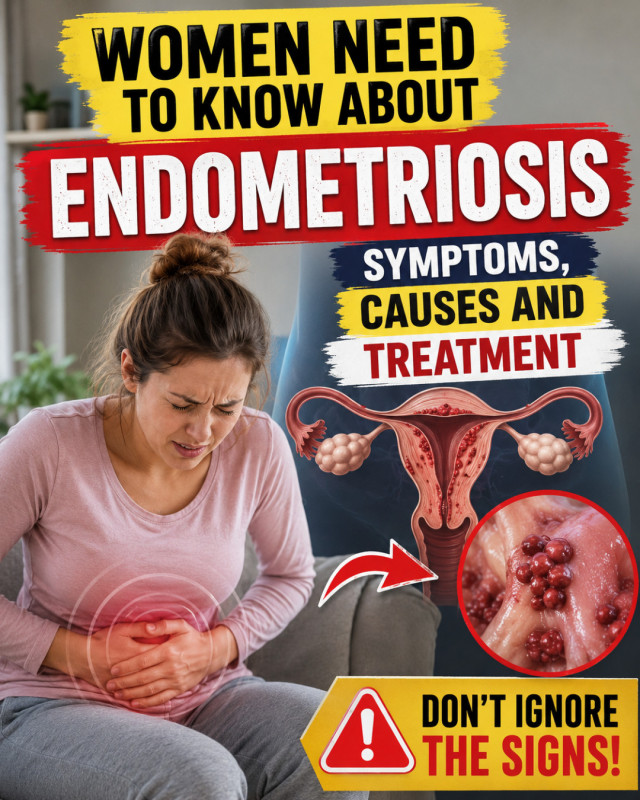
Endometriosis is a long term condition where tissue similar to the lining inside the uterus grows in places where it does not normally belong. These areas may appear around the ovaries, fallopian tubes, pelvic lining, bowel, bladder, or other nearby structures.
Here is the important part.
This tissue can respond to monthly hormonal changes. That may lead to inflammation, irritation, scar tissue, and pain in some people. The World Health Organization describes endometriosis as a chronic condition that can affect daily life, pain, fertility, and emotional wellbeing. It also notes that a clinical evaluation may involve symptoms, imaging such as ultrasound or MRI, and sometimes surgery, but surgery is not always required before care begins.
Endometriosis is not rare. The FDA notes that it may affect more than 11 percent of American women ages 15 to 44, and it is especially common among women in their 30s and 40s.
Why Endometriosis Is Often Missed
Many women are told for years that painful periods are just part of life. But severe pain that interrupts normal activities deserves attention.
The tricky part is that symptoms can look different from woman to woman. One person may have intense pelvic pain. Another may mainly notice digestive discomfort. Someone else may discover endometriosis only while exploring fertility concerns.
But that is not all.
The level of pain does not always match the amount of endometriosis found in the body. Mild appearing disease may still cause major discomfort, while more extensive disease may cause fewer symptoms. This is one reason listening carefully to symptoms matters.
Common Symptoms Women Should Know
Endometriosis symptoms may come and go with the menstrual cycle, but some women feel discomfort outside their period too. According to Mayo Clinic and Cleveland Clinic, common symptoms may include pelvic pain, painful periods, pain during sex, heavy bleeding, fatigue, digestive changes, and fertility challenges.
Look for patterns such as:
- Pelvic pain before or during periods
- Cramps that feel stronger than expected
- Pain during or after intimacy
- Pain with bowel movements or urination, especially during periods
- Heavy bleeding or bleeding between periods
- Bloating, nausea, constipation, or diarrhea around menstruation
- Lower back or abdominal pain
- Fatigue that feels out of proportion
- Difficulty becoming pregnant
- Symptoms that repeatedly interfere with school, work, sleep, or daily routines
Sự thật là, symptoms that keep returning deserve to be documented, not ignored.
Possible Causes And Risk Factors
Researchers do not yet know one single cause of endometriosis. Most medical sources describe it as a complex condition involving hormones, immune system activity, genetics, inflammation, and how cells behave in the pelvic area.
Possible contributing factors may include:
- Family history of endometriosis
- Menstrual flow patterns that move tissue or cells backward through the fallopian tubes
- Immune system changes that may affect how the body responds to misplaced tissue
- Hormonal influences, especially estrogen related activity
- Surgical history involving the uterus, in some cases
- Early first period, short menstrual cycles, or heavy menstrual flow
This does not mean a woman caused her condition. Endometriosis is not a result of poor choices, weak pain tolerance, or lack of discipline. It is a medical condition that deserves thoughtful care.
When Period Pain Is Not “Normal”
Mild cramps can happen. But pain that makes you miss work, stay in bed, vomit, rely heavily on pain medicine, avoid intimacy, or fear your next period is not something to dismiss.
Here is a useful way to think about it.
If your period changes your life every month, it is worth discussing with a qualified healthcare professional.
Warning signs that deserve medical attention include:
- Pelvic pain that is getting worse over time
- Pain that does not improve with usual self care
- Heavy bleeding that feels unusual for you
- Faintness, severe weakness, or sudden intense pain
- Pain during sex that affects your relationship or emotional wellbeing
- Digestive or urinary symptoms that repeat around your period
- Trouble becoming pregnant after trying for a reasonable period of time
A healthcare professional can help decide whether symptoms may be linked to endometriosis or another condition such as fibroids, ovarian cysts, pelvic inflammatory disease, irritable bowel syndrome, or bladder pain syndrome.
How Healthcare Professionals Usually Evaluate Symptoms
Evaluation often starts with a conversation. You may be asked about your cycle, pain location, bleeding pattern, digestive symptoms, family history, and fertility goals.
A pelvic exam may be recommended. Imaging such as ultrasound or MRI may help identify ovarian endometriomas or deep disease in some cases. However, imaging may not detect every form of endometriosis.
ACOG explains that care decisions often depend on symptoms, disease extent, and whether a person wants to have children. When pain is the main concern, medication is often considered first.
This is why a clear symptom record can be powerful. It helps move the conversation from “I have bad cramps” to “I have pelvic pain for five days before my period, bowel pain during my period, and I missed work twice last month.”
That level of detail can change the quality of the appointment.
Care Options That May Be Discussed
Endometriosis care is not one size fits all. The goal is usually to reduce symptoms, protect quality of life, support fertility goals when relevant, and monitor changes over time.
NICHD lists common options for endometriosis related pain or infertility, including pain medicines, hormone based options, and surgery. It also notes that hormone based approaches may slow activity of lesions and help prevent new areas or scars from forming, but they do not remove existing scar tissue.
Commonly discussed options may include:
- Pain relief medicines
These may include over the counter options recommended by a clinician. They may help some people with cramps or inflammation related discomfort. - Hormonal options
These may include birth control pills, hormonal IUDs, progestin based medicines, or other hormone related therapies. The aim is often to reduce menstrual cycling activity that may worsen symptoms. - Surgical care
For some women, especially when symptoms are severe, fertility is affected, or other options are not enough, minimally invasive surgery may be discussed. The details matter, so patients should ask what procedure is planned, what tissue may be removed, and how it may affect fertility. - Fertility support
If pregnancy is a goal, a specialist may discuss timing, ovarian health, surgery considerations, or assisted reproductive options. - Supportive lifestyle habits
Food, sleep, stress management, gentle movement, and heat therapy do not remove endometriosis, but they may support comfort, energy, and daily functioning.
Đây là phần thú vị nhất: many women feel more in control once they stop searching for one magic answer and start building a care plan that matches their symptoms, goals, and season of life.
Everyday Habits That May Support Comfort
Lifestyle changes should not be presented as a replacement for medical care. Still, small habits may help some women feel more prepared during difficult days.
Try this simple routine:
- Track your cycle for at least two months
- Note pain location, pain level, bleeding, digestion, mood, sleep, and fatigue
- Use heat on the lower abdomen or back when cramps begin
- Choose gentle movement such as walking, stretching, or yoga if it feels comfortable
- Keep meals simple during flare days, especially if bloating or nausea appears
- Prioritize sleep before and during your period
- Write down questions before medical visits
- Bring a trusted person to appointments if you feel overwhelmed
Nhưng đó chưa phải là tất cả. The most useful habit may be learning your personal pattern.
Some women notice symptoms begin two days before bleeding. Others notice bowel symptoms only during the first two days of their period. Some feel worse after poor sleep or high stress. Recognizing patterns can help you plan ahead.
The Symptom Tracking Method To Try Before Your Appointment
This is the open loop promised at the beginning.
Use a simple “4P tracker” for one or two cycles.
- Pain
Where is it? Pelvis, back, abdomen, bowel area, bladder area, legs? - Period
How heavy is bleeding? How many days? Any spotting between periods? - Personal impact
Did you miss work, avoid exercise, cancel plans, sleep poorly, or avoid intimacy? - Pattern
Does it happen before bleeding, during bleeding, after bleeding, or all month?
Bring this record to your appointment. It is simple, but it gives your provider a clearer picture.
Questions To Ask A Healthcare Professional
A good appointment is not only about being examined. It is also about being heard.
Consider asking:
- Could my symptoms fit endometriosis or another pelvic condition?
- What tests or imaging may be useful for my situation?
- What options match my pain level and fertility goals?
- What side effects should I understand before starting medication?
- When should I return if symptoms do not improve?
- Would a referral to a gynecologist or endometriosis specialist be appropriate?
- What symptoms should be considered urgent?
These questions help turn a confusing visit into a practical plan.
Emotional Health Matters Too
Endometriosis can affect more than the pelvis. Chronic pain can make a person feel anxious, isolated, frustrated, or misunderstood.
That emotional burden is real.
If symptoms affect your mood, relationship, sleep, or confidence, it is appropriate to mention that during medical care. Support may include counseling, pain education, support groups, pelvic floor physical therapy, or a multidisciplinary care team.
You are not being dramatic. You are describing the full impact of a chronic condition.
Key Takeaways
Endometriosis is a common and often misunderstood condition involving tissue similar to the uterine lining growing outside the uterus. Symptoms may include pelvic pain, painful periods, heavy bleeding, digestive changes, fatigue, pain during intimacy, and fertility concerns. Medical care may include pain relief options, hormone based approaches, surgery, fertility support, and supportive daily habits. The most helpful first step is often tracking symptoms clearly and discussing them with a qualified healthcare professional.
FAQ
What are the first signs of endometriosis?
Early signs may include painful periods, pelvic pain before or during menstruation, heavy bleeding, bloating, digestive changes during periods, pain during intimacy, or fatigue. Some women first notice it while exploring fertility concerns.
Can endometriosis affect digestion?
Yes. Some women experience bloating, nausea, diarrhea, constipation, or pain with bowel movements, especially around their period. These symptoms can overlap with digestive conditions, so medical evaluation is important.
Is endometriosis the same for every woman?
No. Symptoms, severity, fertility impact, and daily discomfort vary widely. Some women have intense pain, while others have mild symptoms or discover the condition during fertility testing.
Disclaimer: This article is for educational purposes only and does not replace professional medical advice, evaluation, or care from a qualified healthcare provider.