You wake up, head to the bathroom like any other morning, and as the stream hits the water, you’re met with a surprising sight: a thick layer of foam that lingers on the surface long after you’ve finished. It’s happened a few times now, and while it might seem like a small thing, that moment of noticing can bring a quiet sense of concern—especially when you start wondering if it’s tied to something your body has been trying to communicate. The reality is that foamy urine in the morning is something many people experience without realizing how common the everyday explanations can be, yet brushing it off completely may mean overlooking simple adjustments that could make a real difference in how you feel each day. But the encouraging part is that understanding the most frequent reasons behind it often points to practical steps you can take right away, and we’ll explore those together in the sections ahead.

What Foamy Urine Actually Looks Like
Normal urine can create a few bubbles that disappear within seconds. Foamy urine, by contrast, produces a persistent layer of white or off-white bubbles that stays on the surface for a minute or longer—sometimes resembling the head on a glass of beer. The difference matters because quick bubbles usually come from the physical force of the stream, while longer-lasting foam often relates to changes in the urine’s composition or outside factors in the toilet itself.
Health professionals note that the appearance can vary from person to person. Some see it only in the morning, others notice it throughout the day. Paying attention to when it happens and whether it comes with other shifts in color, odor, or how often you visit the bathroom gives useful clues. The truth is, most cases trace back to ordinary causes rather than anything dramatic, but that doesn’t mean they deserve zero attention.
6 Common Causes of Foamy Urine in the Morning

Many people assume the first morning void is always the same, yet several everyday factors make foam more likely right after waking. Here is a quick overview before we examine each one in detail.
| Cause | Why More Noticeable in Morning | Simple First Step to Test |
|---|---|---|
| Dehydration | Overnight fluid loss concentrates urine | Drink a full glass of water in the evening and compare next morning |
| Forceful urine stream | Full bladder creates stronger flow and more air bubbles | Urinate into a clean container and observe foam level |
| Toilet bowl cleaners | Chemical residue reacts with urine | Flush thoroughly or use a different toilet and recheck |
| Protein in urine | Body processes proteins differently after rest | Track if foam appears after high-protein meals or activity |
| Semen residue (in men) | Accumulation overnight or after intimacy | Note timing relative to recent activity |
| Medications or supplements | Some compounds alter urine surface tension | Review recent changes in prescriptions or vitamins with your pharmacist |
1. Dehydration from Overnight Fluid Balance

The body continues to lose small amounts of fluid through breathing and skin even while you sleep. If your evening and nighttime intake was low, the first urine of the day becomes more concentrated. Concentrated urine contains higher levels of dissolved substances that can increase surface tension and help bubbles form and last longer.
This cause is especially common when people rely mainly on coffee or tea in the morning without drinking plain water earlier. The habit of limiting fluids after dinner to avoid nighttime bathroom trips can backfire by making the morning sample more foamy. Research has shown that consistent daytime hydration supports steadier urine concentration throughout the full 24-hour cycle.
What many people don’t realize is that mild dehydration often shows up first in the morning void before other signs like dry mouth or fatigue become obvious. The good news is this is one of the easiest factors to adjust.
2. Forceful or Rapid Urine Stream
A full bladder after several hours of sleep means the first morning urination often exits with more pressure. When that stronger stream hits the water surface, it traps tiny air pockets that rise and create visible foam. The bubbles pop quickly in most cases, but when combined with slightly concentrated urine, they can linger.
This explanation is purely mechanical. It happens more in the morning simply because the bladder has had time to fill. People who stand to urinate may notice it more than those who sit, because the distance and angle increase the impact force. The reality is that changing position or taking a moment to let the stream start more gently can reduce the effect immediately.
3. Residue from Toilet Bowl Cleaners
Many popular toilet cleaning products leave behind surfactants or disinfectants that react with urine to produce stable foam. The chemical reaction happens the moment urine touches the treated water, creating bubbles that have nothing to do with your body’s output. Morning is when this shows up most because the cleaner may have sat in the bowl overnight.
A simple test reveals this cause quickly: flush the toilet thoroughly several times or use a different bathroom and see if the foam disappears. If the bubbles vanish in a clean bowl, the cleaner—not your urine—is the culprit. This is one of the most overlooked yet completely harmless explanations.
4. Small Amounts of Protein Passing into Urine

Proteins naturally lower the surface tension of liquids, allowing air bubbles to form more stable foam. When small quantities of protein reach the urine, the effect becomes noticeable. Temporary increases can occur after physical exertion, during minor illnesses, following high-protein meals, or even after emotional stress. The morning void sometimes highlights these shifts because the body has been processing overnight.
Health experts emphasize that trace protein in urine is not always a concern, yet persistent or increasing amounts deserve professional evaluation. Studies have observed links between certain daily habits—such as very high protein intake without enough fluids—and temporary changes in urine appearance. The key is distinguishing one-off instances from patterns that continue for days or weeks.
5. Semen or Reproductive Fluid Residue
In men, small amounts of semen can remain in the urinary tract after intimacy or nocturnal emissions and mix with the next morning’s urine. Semen contains proteins and other compounds that stabilize foam in the same way excess protein does. Because the first morning void clears the overnight accumulation, this cause often appears specifically then.
The effect is usually temporary and clears within a day or two. Noting whether foam coincides with recent intimate activity helps identify this explanation. For couples, open conversation removes the embarrassment that sometimes prevents people from considering this straightforward possibility.
6. Medications, Supplements, or Recent Dietary Shifts
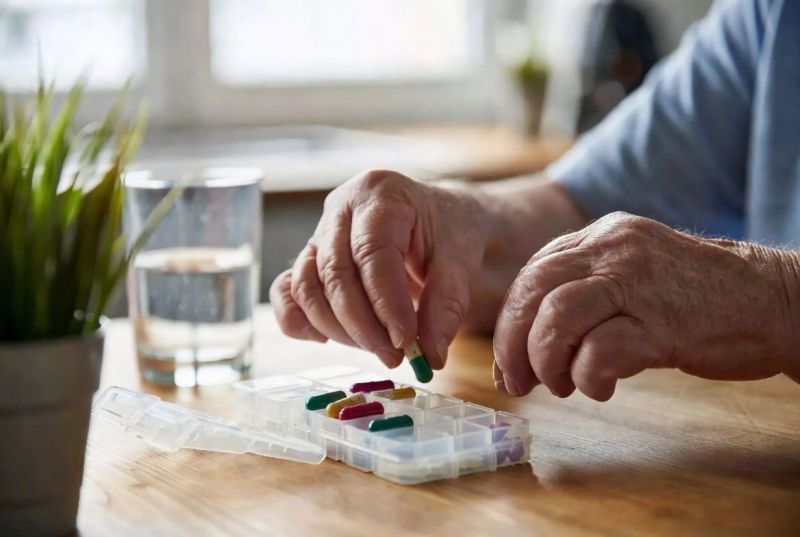
Certain medications and supplements can alter the composition or surface tension of urine. Examples include some pain relievers, antibiotics, vitamins taken in high doses, or protein powders. A sudden increase in dietary protein or changes in salt intake can also influence how the body filters and concentrates urine overnight.
If you started a new prescription, supplement, or eating pattern in the past few weeks and then noticed morning foam, the timing may be connected. Reviewing these changes with a pharmacist or healthcare provider often clarifies whether adjustment is needed. The truth is that many people overlook how everyday products and routines interact with normal body processes.
How to Respond When You Notice Foamy Urine
Seeing persistent foam can feel unsettling, yet a calm, step-by-step approach removes guesswork. Here is a practical sequence many people find helpful:
- Observe for three to four mornings in a row. Note whether foam appears every time or only after certain foods, drinks, or activities the previous day.
- Increase plain water intake during daylight hours—aim for steady sipping rather than large amounts at once. Avoid cutting evening fluids completely if it leads to concentrated morning urine.
- Test the toilet cleaner theory by using a freshly flushed or different toilet for a couple of days.
- Track other body signals at the same time: changes in urination frequency, color, odor, energy levels, or any puffiness around the eyes or ankles. These details become valuable if you decide to speak with a professional.
- If the foam continues beyond two weeks or appears alongside other shifts, schedule a conversation with your healthcare provider. Early discussion often brings peace of mind and clear next steps.
But that’s not all—small daily habits compound over time and frequently influence how the body maintains fluid and protein balance.
Building Supportive Daily Habits
Simple, consistent actions often reduce the frequency of morning foam without dramatic overhauls. Consider these adjustments:
- Drink water throughout the day rather than front-loading or back-loading intake. A reusable bottle kept visible serves as a gentle reminder.
- Pair higher-protein meals with extra fluids to help the body process the load.
- Review toilet cleaning products and switch to gentler options if residue seems likely.
- Allow the bladder to empty fully each time rather than rushing or holding for long periods.
- Keep a brief note of any new medications or supplements so patterns become easier to spot.
- Maintain regular movement and balanced meals, as both support overall fluid regulation.
The reality is that these habits benefit more than just urine appearance—they contribute to steady energy and comfort throughout the day. Many people report that once they address hydration and rule out external factors like cleaners, the morning foam becomes far less noticeable.
When Professional Guidance Makes Sense
Most occasional foamy urine traces back to the six causes discussed. Still, certain combinations of symptoms merit a conversation sooner rather than later. These include foam that lasts more than a couple of weeks, swelling in the legs or face, unexplained fatigue, or noticeable changes in urination frequency or color. Bringing your observations—when the foam started, what else changed around the same time—helps any discussion stay focused and productive.
Healthcare providers have seen these questions countless times. There is no need to feel embarrassed; clear communication often leads to simple reassurance or targeted checks that remove uncertainty.
Putting It All Together
Foamy urine in the morning rarely appears without a reason, yet the reasons are frequently ordinary and correctable. Dehydration, forceful streams, cleaning products, temporary protein shifts, semen residue, and medication or diet changes cover the majority of cases people encounter. By observing patterns, testing simple explanations first, and adjusting daily habits, many find the issue becomes less frequent or disappears.
The encouraging truth is that paying attention to these small signals gives you useful information about how your body responds to everyday routines. You don’t have to figure everything out alone—professional guidance is available whenever the pattern continues or other changes appear alongside it. The steps outlined here are designed to help you move from worry to informed action, one morning at a time.
Frequently Asked Questions
Is foamy urine in the morning always serious?
No. Most cases link to dehydration, toilet cleaners, forceful streams, or temporary factors. Persistent foam that continues for more than two weeks or occurs with other body changes is worth discussing with a healthcare provider for personalized evaluation.
How can I tell if dehydration is the cause?
Compare mornings after drinking extra water the previous evening versus mornings after a low-fluid day. If foam lessens on better-hydrated days and returns when intake drops, dehydration is likely playing a role. Consistent daytime sipping usually improves the pattern.
When should I mention this to my doctor?
Bring it up if foam lasts beyond two weeks, appears with swelling, fatigue, changes in urination frequency, or other new symptoms. Describing exactly when you notice it and any recent diet, medication, or activity shifts helps the conversation stay efficient and useful.
This article is for informational purposes only and is not intended as medical advice. Always consult with a qualified healthcare professional for any concerns about your health or before making changes to your routine.