You sit in the exam room, trying to look calm while your doctor reviews the latest bloodwork. Everything seemed fine on the surface — you’ve been eating more fruit, staying active when you can, taking your medicines. Then the conversation shifts to your kidney numbers. They’re not where they should be. A quiet wave of embarrassment washes over you. You thought you were doing the right things. Now you’re left wondering if some of those “healthy” choices you made every day were quietly adding up in ways you never expected.
The truth is, many of us reach a point where the same foods we’ve enjoyed for years start to behave differently in our bodies. As kidney function changes — something that shows up in routine numbers like creatinine — the minerals in certain foods, especially potassium, don’t get cleared as easily. Fruits are still wonderful for vitamins, fiber, and that satisfying sweetness, but they vary quite a bit in how much potassium they carry. One piece of fruit can fit comfortably into your day. Another, eaten regularly in larger amounts, can tip the balance without you realizing it right away. That lingering tiredness or the slight swelling you’ve been brushing off as “just age” might have more to do with daily habits than you thought.

Here’s the encouraging part: you don’t need a complete kitchen overhaul. Small, informed swaps often make the biggest difference for people in your exact situation. And by the time you finish this guide, you’ll have a clear, practical picture of which fruits tend to fit more easily into kidney-conscious routines — and which ones many people find worth limiting or enjoying less often, depending on their personal lab results.
Why Fruit Choices Matter More Than Most People Realize

Your kidneys help keep potassium levels steady in the blood. This mineral supports steady heart rhythm and muscle function. When filtration slows, the body has a harder time handling large loads of potassium from food. Guidelines from the National Kidney Foundation note that for many people whose bloodwork shows reduced kidney function, paying attention to dietary potassium becomes one practical way to support balance.
Fruits are rarely the only factor, but they are an easy place to start because they’re part of most people’s daily habits. The good news is that plenty of tasty, affordable options exist that naturally run lower in potassium. Others deliver more of it per serving, so portions and frequency matter more. The goal isn’t to fear fruit — it’s to choose with eyes open so your daily bowl works with your body instead of against it.
What many people don’t realize is that even “good for you” fruits can add up quickly when eaten in generous portions or multiple times a day. A single banana or a tall glass of orange juice can deliver more potassium than two or three smaller servings of lower-potassium alternatives. Over weeks and months, those choices influence how hard your kidneys have to work.
3 Fruits That Often Fit More Comfortably Into Kidney-Conscious Days
These options tend to appear on lower-potassium lists from kidney health experts. They’re widely available, affordable in most countries, and easy for older adults to prepare and enjoy.
Apples
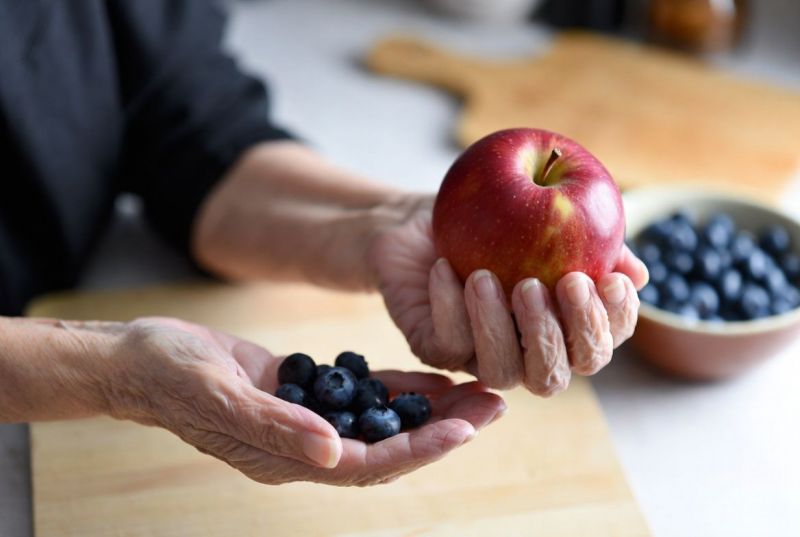
One medium apple with the skin on typically provides around 195 mg of potassium — on the lower side compared with many other fruits. The fiber, especially in the skin, supports regular digestion, which helps the body manage minerals naturally. Apples travel well, store for weeks in the fridge, and need almost no preparation. Slice one for a mid-morning snack, chop it into plain oatmeal, or enjoy it baked with a sprinkle of cinnamon. Many people find the natural sweetness satisfying enough that they don’t miss richer treats.
Blueberries (and similar berries like strawberries or raspberries)
A half-cup serving of blueberries usually contains well under 150 mg of potassium — often closer to 100 mg or less depending on exact variety and measurement. Berries bring bright flavor and antioxidants without a heavy mineral load. Frozen berries work just as well as fresh, cost less in many places, and keep for months. A small bowl in the morning or stirred into plain yogurt makes an easy, no-cook option that feels like a treat rather than a compromise.
Grapes
A half-cup portion or a small handful (roughly 15–20 grapes) generally lands in the moderate-to-lower potassium range. They’re hydrating, portable, and require zero prep — perfect when energy or appetite is lower. Red or green varieties both work. Keep a small bunch washed and ready in the fridge so you reach for them instead of higher-potassium options when a sweet craving hits.
Quick comparison of approximate potassium content (values vary slightly by size and variety; always confirm with your care team for your specific targets):
| Fruit | Typical Serving | Approx. Potassium | Often considered for kidney-conscious routines |
|---|---|---|---|
| Apple | 1 medium | ~195 mg | Friendly choice most days |
| Blueberries | ½ cup | ~100–114 mg | Friendly choice most days |
| Grapes | ½ cup or 15–20 grapes | ~150–288 mg | Friendly in sensible portions |
| Banana | 1 medium | ~422 mg | Limit or smaller portions |
| Orange | 1 medium | ~237 mg | Limit frequency and amount |
| Avocado | ½ medium | ~345–487 mg | Limit or enjoy occasionally |
3 Fruits Many People Find Worth Limiting or Enjoying Less Often
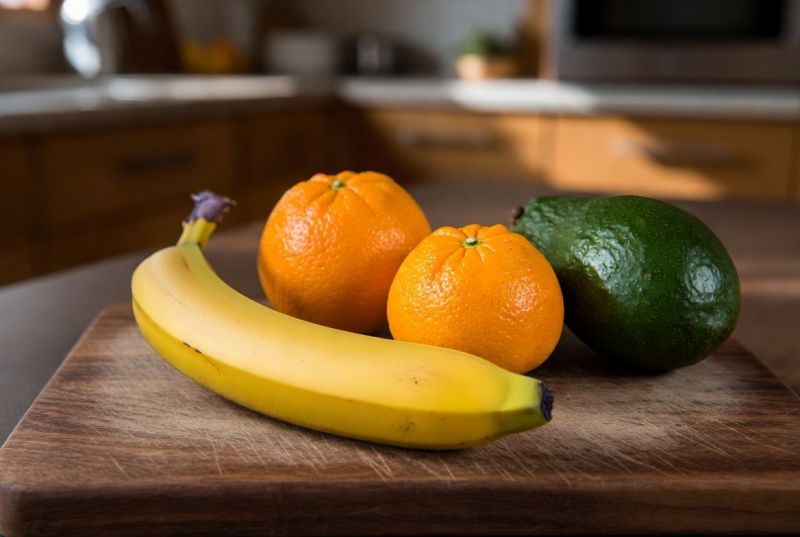
These options tend to run higher in potassium. That doesn’t mean they’re forbidden forever, but for many whose kidney numbers need attention, they become occasional rather than everyday foods.
Bananas
A medium banana delivers roughly 422 mg of potassium — more than double some of the friendlier choices above. They’re convenient and give quick energy, which is why they’ve been a breakfast staple for decades. The challenge is how easy it is to eat one every single day without thinking. Many people discover that swapping the daily banana for an apple or berries removes a consistent high-potassium source without feeling like a big loss.
Oranges (and especially orange juice)
One medium orange contains about 237 mg of potassium. The juice version concentrates that amount and removes the fiber that slows absorption. A large glass can deliver a surprising load in one sitting. If citrus brightness is what you love, a small wedge of orange or a splash of juice mixed into water occasionally may still fit — but making it a daily habit is one of those patterns that often needs a second look.
Avocados
Half a medium avocado can contain 345–487 mg of potassium depending on size. Their creamy texture and healthy fats have made them popular, but the potassium density is high. A few slices on toast or in a salad add up faster than most people expect. For many watching their numbers, avocados move from “almost daily” to “once in a while” without much complaint once other satisfying swaps are in place.
The truth is, these three fruits aren’t “bad.” They simply deliver more potassium per bite than the alternatives above. Continuing to eat large amounts of them regularly, when your labs suggest your kidneys are already working harder, is one of those quiet habits that can work against the very balance you’re trying to maintain.
Practical Swaps You Can Start This Week
Small changes stick better than dramatic overhauls. Here’s a straightforward plan many people use successfully.
- Notice what you actually eat for three days. Write down every piece of fruit and roughly how much. No judgment — just data. You might be surprised how often one or two higher-potassium fruits appear.
- Make one simple swap. Replace your usual banana or orange with an apple or a small bowl of berries at the same time of day. Keep everything else the same so the change feels manageable.
- Choose whole fruit over juice or dried versions. Whole fruit brings fiber that helps slow potassium absorption. Dried fruit concentrates everything; a small handful can equal a much larger fresh serving in potassium.
- Watch portions on higher-potassium fruits if you keep them. A few slices of banana in a smoothie or half an orange shared with someone else is very different from a whole one every morning.
- Stock easy, lower-potassium options visibly. Keep washed grapes or apple slices at eye level in the fridge. When the convenient choice is also the smarter one, you’re more likely to reach for it.
- Check in with how you feel after a couple of weeks. Note energy, any swelling, or simply the peace of mind that comes from knowing your daily fruit choices line up with your current health picture. Share those observations with your doctor or dietitian at your next visit.
A Sample Day Using the Smarter Picks
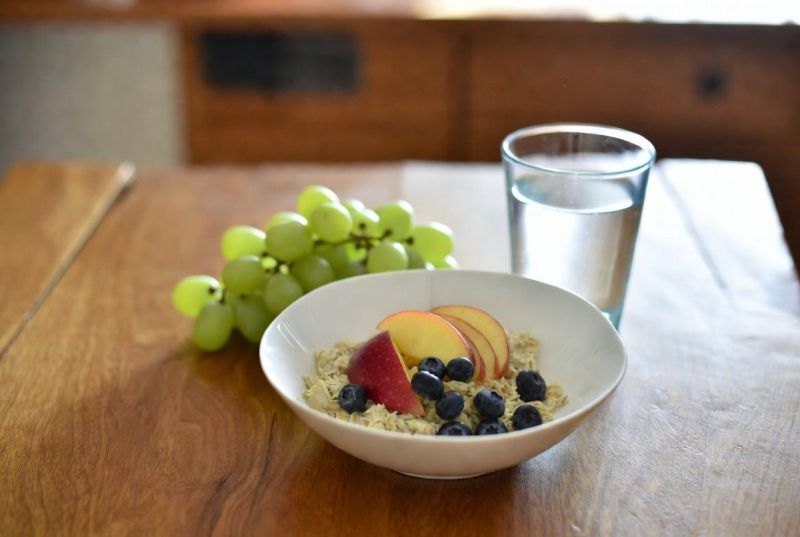
Breakfast: Plain oatmeal topped with chopped apple and a small handful of blueberries.
Mid-morning: A medium apple sliced and paired with a few plain crackers if desired.
Lunch: Grilled chicken or fish with vegetables, followed by a small bunch of grapes for dessert.
Afternoon: A few strawberries or a small bowl of mixed berries.
Evening: If a sweet craving hits, another small apple or a few grapes instead of reaching for banana or orange.
This pattern keeps fruit in your day for enjoyment and nutrition while staying mindful of potassium load. Adjust portions and timing to match your appetite and routine — the key is consistency rather than perfection.
Other Small Habits That Support the Bigger Picture
Fruit choices are only one piece. Staying well hydrated with plain water, moving your body in ways that feel good (even short walks), and keeping regular medical appointments all matter. When you combine these with thoughtful fruit selections, you give your body more consistent support. Many people also find that involving a registered dietitian familiar with kidney nutrition removes guesswork and tailors targets to their exact lab results.
Common Questions People Ask
Can I still enjoy my favorite higher-potassium fruits sometimes?
Yes, in most cases. The approach is usually about frequency and amount rather than total elimination. A small portion of banana or orange once or twice a week may fit fine if your blood potassium stays in range and your overall diet is balanced. Your healthcare team looks at the full picture — labs, medications, other foods — before giving personalized guidance.
Are fruit juices better or worse than whole fruit?
Whole fruit is generally the smarter everyday choice because the fiber slows how quickly potassium enters your system. Juice delivers the sugars and minerals without that natural brake. If you enjoy juice, treat it as an occasional small splash rather than a daily glass.
How do I know which fruits are lower in potassium without checking every time?
After a short while you’ll remember the common ones: apples, berries, and grapes tend to be friendlier choices for most people in your situation. Bananas, oranges, and avocados usually need more mindful portions. Many kidney organizations offer free printable lists or simple apps. When in doubt, ask your dietitian for a short, personalized reference you can keep on the fridge.
What if my potassium is actually low right now — should I still limit these fruits?
Not necessarily. Some people with kidney concerns have low rather than high potassium and may be encouraged to include more potassium-rich foods. This is exactly why lab results and professional advice matter more than general lists. Never assume restriction is needed without checking your specific numbers.
A Final Thought
You don’t have to feel embarrassed or overwhelmed by this. Plenty of people your age quietly adjust their fruit habits once they understand the “why” behind the numbers — and they feel more in control afterward, not less. The fruits you choose several times a day add up, but so do the small swaps you make consistently. Start with one change this week. Notice how it feels. Then build from there with the support of your doctor or dietitian.
Your kidney numbers are one important signal among many. Paying attention to them with practical, doable steps is one of the kindest things you can do for your future self.
Disclaimer: This article is for general informational purposes only and does not constitute medical advice. Kidney needs vary widely based on individual lab results, stage of function, medications, and other health factors. Always consult your physician or a registered dietitian before making dietary changes, especially if you are monitoring kidney-related numbers or have existing health conditions.