Many older adults want a morning routine that feels simple, affordable, and easy to repeat without turning breakfast into a complicated health project. The frustrating part is that energy, digestion, and daily comfort can feel less predictable with age, especially when meals become rushed or low in fiber. A small spoonful habit may not change everything overnight, but two tablespoons of ground flaxseed can be a gentle way to add fiber, plant based omega 3 fats, and natural plant compounds to the day. And the most useful part may not be the seed itself, but how you use it by the end of this article.

Why Ground Flaxseed Has Become a Popular Morning Habit
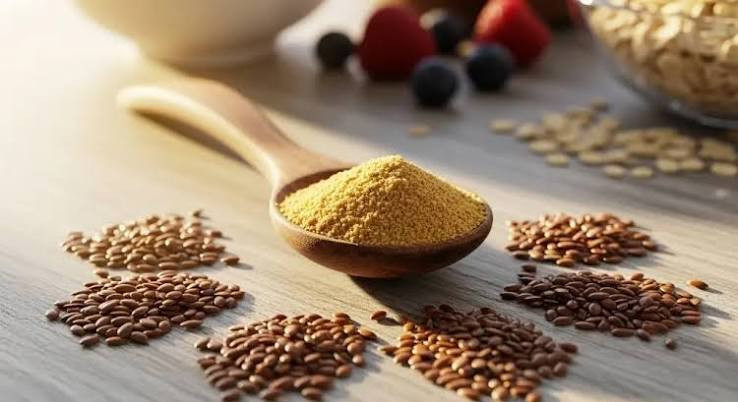
Flaxseed is a tiny brown or golden seed with a mild, nutty flavor. It has been used as a food ingredient for generations, but today many people add it to oatmeal, yogurt, smoothies, or warm water because it is simple and easy to measure.
Here is the interesting part.
Ground flaxseed offers a combination of nutrients that older adults often try to include more often in their meals: fiber, alpha linolenic acid, and lignans. Alpha linolenic acid, often called ALA, is a plant based omega 3 fat. Lignans are natural plant compounds found in flaxseed. Mayo Clinic notes that flaxseed is rich in fiber, omega 3 fatty acids, and lignans, while flaxseed oil does not provide the same fiber content as the seed itself.
That is why the form matters.
Whole flaxseeds can pass through the digestive system without being fully broken down. Ground flaxseed is usually easier for the body to access, which is why many nutrition experts prefer ground flaxseed over whole seeds. Mayo Clinic explains that ground flaxseed is generally easier to digest than whole flaxseed.
What Two Tablespoons May Add to Your Day
Two tablespoons of ground flaxseed is not a magic formula. It is simply a small food addition that can improve the nutritional quality of a meal.
One tablespoon of ground flaxseed contains about 37 calories, about 2 grams of dietary fiber, and about 2 grams of polyunsaturated fat, including omega 3 fats, according to Mayo Clinic.
So, two tablespoons may add roughly:
- About 4 grams of dietary fiber
- Plant based omega 3 fats
- Natural lignans
- A mild nutty flavor
- A thicker texture in oatmeal, yogurt, or smoothies
But that is not all.
Because it is easy to mix into foods many people already eat, flaxseed can become a habit without requiring a major lifestyle change. That matters because the best wellness habit is often the one you can actually repeat.
Why Fiber Matters More After 60
Fiber is one of the most overlooked parts of healthy aging.
Many older adults do not get enough fiber from daily meals. This can happen when appetite decreases, meals become smaller, or people rely more on soft, quick, refined foods.
Dietary fiber supports digestive regularity and helps add bulk to stool. Harvard’s Nutrition Source explains that insoluble fiber can absorb water and add bulk, while certain fibers can support easier bowel movement patterns.
In simple words, fiber helps keep digestion moving in a more natural rhythm.
Ground flaxseed contains both soluble and insoluble fiber. Soluble fiber forms a soft gel like texture when mixed with liquid. Insoluble fiber helps add structure and bulk.
This is why many people prefer adding flaxseed to moist foods instead of eating it dry.
The Gentle Morning Method
The safest way to start is slowly.
A sudden increase in fiber may cause gas, bloating, or stomach discomfort, especially if someone is not used to eating high fiber foods. A gentle approach gives the body time to adjust.
Try this simple method:
- Start with 1 teaspoon of ground flaxseed each morning for 3 to 4 days.
- Increase to 1 tablespoon if your digestion feels comfortable.
- Move up to 2 tablespoons only if it suits your body.
- Drink water during the day.
- Add it to moist foods instead of eating it dry.
Here is the key.
Flaxseed works best as part of a balanced meal, not as a replacement for breakfast. Think of it as a small nutritional upgrade.
Easy Ways to Use Ground Flaxseed
Ground flaxseed has a mild taste, so it can fit into many simple meals.
Good morning options include:
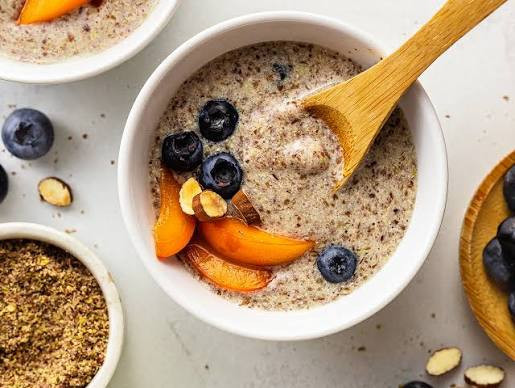
- Stir it into oatmeal after cooking.
- Mix it into plain yogurt with fruit.
- Blend it into a smoothie.
- Sprinkle it over whole grain toast with nut butter.
- Add it to pancake or muffin batter.
- Mix it into warm milk or a plant based drink.
- Combine it with mashed banana for a quick breakfast bowl.
The easiest option for older adults is usually oatmeal. It is warm, soft, familiar, and easy to mix.
Here is a simple breakfast idea.
Add 2 tablespoons of ground flaxseed to warm oatmeal, then top with sliced banana, cinnamon, and a small handful of berries. This gives you fiber, natural sweetness, and a comforting texture without needing added sugar.
Ground Flaxseed Compared With Flaxseed Oil
Many people get confused between ground flaxseed and flaxseed oil.
They are not the same.
| Option | What it provides | Best use |
|---|---|---|
| Ground flaxseed | Fiber, ALA omega 3 fats, lignans | Oatmeal, yogurt, smoothies, baking |
| Whole flaxseed | Fiber and nutrients, but may pass through less fully broken down | Better when freshly ground |
| Flaxseed oil | ALA omega 3 fats, but no fiber | Salad dressing, cold food use |
| Flaxseed capsules | Convenient, but less like a whole food | Only with professional guidance |
The important difference is fiber.
Flaxseed oil may provide plant based omega 3 fat, but it does not provide the fiber found in the seed. Mayo Clinic notes that flaxseed oil lacks fiber and phytoestrogens found in flaxseed.
For a simple whole food habit, ground flaxseed is usually the more complete option.
Why Older Adults Like This Habit
There are several practical reasons older adults may find this habit appealing.
- It is inexpensive compared with many specialty wellness products.
- It does not require cooking.
- It can be added to familiar foods.
- It is easy to measure.
- It supports a higher fiber eating pattern.
- It fits into many breakfast styles.
The truth is, small habits feel easier when they do not disrupt your routine.
Two tablespoons of ground flaxseed is not dramatic. It is not a quick fix. It is simply a small, repeatable food choice that may support overall wellness when combined with a balanced diet.
What Research Suggests About Flaxseed
Research interest in flaxseed often focuses on its fiber, ALA omega 3 content, and lignans. Review articles have described flaxseed as a source of alpha linolenic acid, lignans, protein, and soluble fiber, with potential roles in supporting heart and metabolic wellness as part of dietary patterns.
But it is important to stay realistic.
Food research does not mean one ingredient can guarantee a result. The National Center for Complementary and Integrative Health notes that flaxseed and flaxseed oil are promoted for several wellness purposes, but people should still use them thoughtfully and consider safety, especially when using supplements.
That is the balanced view.
Flaxseed can be a nutritious food. It should not be presented as a solution for a medical condition.
Who Should Be More Careful With Flaxseed
Most healthy adults can include small amounts of ground flaxseed in food, but some people should be more cautious.
Speak with a healthcare professional before using flaxseed regularly if you:
- Take blood thinning medicine.
- Have a history of bowel blockage or swallowing difficulties.
- Have a digestive condition that requires a low fiber diet.
- Are preparing for surgery.
- Take daily medicines and worry about timing.
- Are pregnant, breastfeeding, or managing hormone sensitive concerns.
Also, do not eat large amounts of dry flaxseed. Because it contains fiber, it should be taken with enough fluid.
Here is a simple rule.
Start small, add water, and listen to your body.
How to Store Flaxseed So It Stays Fresh
Flaxseed contains healthy fats, and those fats can become stale when exposed to heat, light, and air.
For best quality:
- Buy whole flaxseed and grind small amounts at home, or buy ground flaxseed in a sealed package.
- Store ground flaxseed in the refrigerator.
- Keep it in an airtight container.
- Smell it before use. Fresh flaxseed smells mild and nutty.
- Throw it away if it smells bitter, sharp, or unpleasant.
This small storage step makes the habit safer and more enjoyable.
A Simple 7 Day Flaxseed Routine
Here is a gentle plan for beginners.
| Day | Amount | How to use it |
|---|---|---|
| Day 1 | 1 teaspoon | Stir into oatmeal |
| Day 2 | 1 teaspoon | Mix into yogurt |
| Day 3 | 1 teaspoon | Add to smoothie |
| Day 4 | 2 teaspoons | Stir into oatmeal |
| Day 5 | 1 tablespoon | Mix with banana and yogurt |
| Day 6 | 1 tablespoon | Add to warm cereal |
| Day 7 | 1 to 2 tablespoons | Use only if comfortable |
This routine is not a challenge. It is a comfort test.
If 2 tablespoons feels too much, stay with 1 tablespoon. More is not always better.
The Best Time to Take Ground Flaxseed
Morning is popular because breakfast gives you easy mixing options.
But there is nothing magical about the clock.
You can use ground flaxseed in the morning, afternoon, or evening. The best time is the time you can remember consistently. For many older adults, breakfast is ideal because it pairs well with oatmeal, yogurt, fruit, and smoothies.
Here is the part people often miss.
The benefit of the routine comes from consistency, not from forcing the body to follow a strict rule.
What to Pair With Flaxseed for a Better Breakfast
Ground flaxseed works best with balanced foods.
Try pairing it with:
- Oats for extra fiber and comfort.
- Greek yogurt for protein.
- Berries for natural sweetness.
- Banana for soft texture.
- Cinnamon for flavor without added sugar.
- Nuts for crunch and healthy fats.
- Water or tea to support hydration.
A balanced breakfast may help you feel more satisfied than a meal made only from refined carbohydrates.
Common Mistakes to Avoid
Even simple habits can go wrong when they are rushed.
Avoid these mistakes:
- Starting with too much too soon.
- Eating dry spoonfuls without fluid.
- Using old ground flaxseed that smells stale.
- Expecting instant results.
- Replacing meals with flaxseed.
- Ignoring digestive discomfort.
- Using flaxseed while taking medicine without asking a professional when needed.
The goal is not to overwhelm your body.
The goal is to make breakfast a little more nourishing.
Final Takeaway
Two tablespoons of ground flaxseed each morning can be a simple way to add fiber, plant based omega 3 fats, and lignans to your daily routine. It is affordable, easy to mix into common breakfast foods, and gentle enough for many older adults when introduced slowly.
But the real secret is not the spoon.
The secret is turning a small food choice into a steady habit. Add it to a breakfast you already enjoy, drink enough water, and keep your expectations realistic. Over time, small daily choices can help build a more supportive wellness routine.
FAQ
Can I take ground flaxseed every morning?
Many adults can include ground flaxseed in the morning as part of a balanced diet. A common amount is 1 to 2 tablespoons per day, but it is best to start with a smaller amount and increase gradually if your body feels comfortable. Mayo Clinic Health System notes that 1 to 2 tablespoons per day is often considered a healthy amount.
Is ground flaxseed better than whole flaxseed?
Ground flaxseed is usually preferred because whole flaxseeds may pass through the digestive system without being fully broken down. Ground flaxseed makes the nutrients easier to access and is easier to mix into soft foods.
What is the easiest way for older adults to use flaxseed?
The easiest way is to stir ground flaxseed into oatmeal, yogurt, or a smoothie. These foods are soft, moist, and familiar, which makes the habit easier to keep. Start with 1 teaspoon, drink enough water, and increase slowly only if it feels comfortable.
Disclaimer: This article is for educational purposes only and should not replace guidance from a qualified healthcare professional, especially if you take medication or have a medical condition.