Dry, dull, or tired looking hair can make a simple morning routine feel frustrating, especially when your scalp feels neglected and your strands seem harder to manage. Many people try expensive products first, only to wonder whether a gentler plant based habit could fit into their routine. Papaya leaves have become a popular traditional beauty ingredient because they contain plant compounds that may help support scalp comfort and overall hair appearance, but the real value depends on how you use them safely. The surprising part is not just the leaf itself, but the simple preparation step near the end that can make this habit feel cleaner, calmer, and more practical.
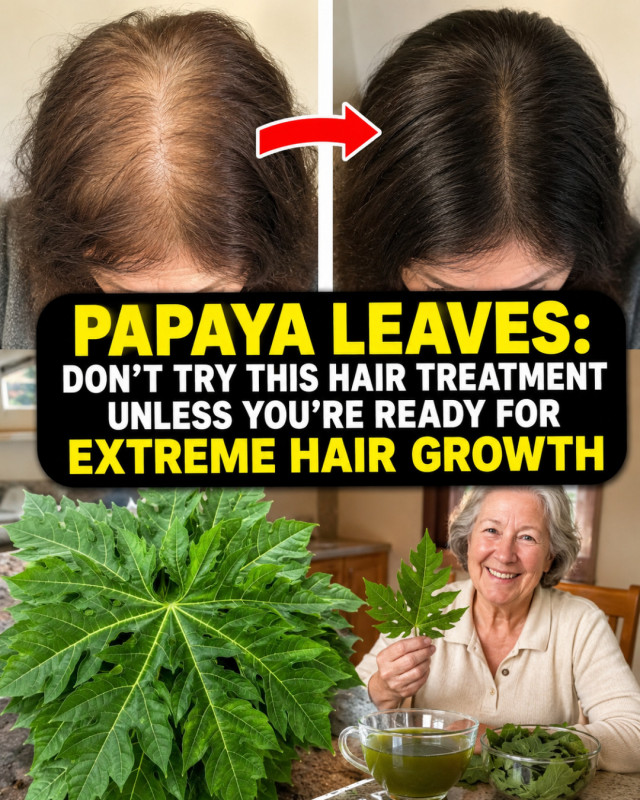
Why Papaya Leaves Are Getting Attention in Natural Hair Care
Papaya leaves come from the Carica papaya plant, the same tropical plant known for producing papaya fruit. In traditional home care, the leaves have often been used in teas, rinses, and topical mixtures.
But let’s be clear.
Papaya leaves are not a magic solution for hair growth. They should not be described as a treatment for hair loss or scalp disease. A safer and more realistic way to understand them is this: papaya leaves may be used as a supportive beauty ingredient for people who want a more natural looking hair care routine.
Research reviews have noted that papaya leaves contain bioactive plant compounds, including flavonoids, phenolics, and other antioxidant related components. These compounds are often discussed because antioxidants help protect cells from oxidative stress in general health research.
Here is the interesting part.
Healthy looking hair is not only about the strand you see. It also depends on scalp care, gentle handling, nutrition, stress levels, and avoiding harsh habits that can leave hair looking brittle.
What Makes Papaya Leaves Interesting for Hair Appearance
Papaya leaves are talked about in beauty routines mainly because of their natural plant profile. While direct human studies on papaya leaf rinse for hair appearance are limited, the leaf itself has been studied for its phytochemical and antioxidant properties.
These are the main reasons people are curious:
- They contain antioxidant related compounds that may support a healthy care routine.
- They are traditionally used in simple rinses and plant based beauty habits.
- They offer a low cost ingredient for people who enjoy homemade hair care.
- They may help hair feel fresher when used as a gentle rinse, especially when the scalp feels oily or heavy.
- They encourage people to slow down and care for the scalp instead of focusing only on styling products.
But that is not the whole story.
The benefits people notice are often related to the overall routine, not just one ingredient. If someone uses a mild rinse, massages the scalp gently, avoids harsh heat, and improves diet, the hair may naturally appear softer and better cared for.
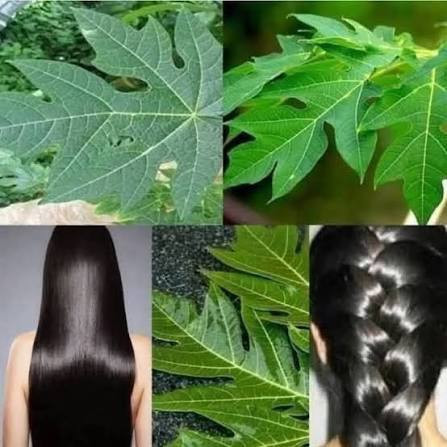
Papaya Leaves and the Scalp: What We Can Say Safely
Your scalp is skin. That means it can become dry, oily, irritated, or sensitive depending on weather, products, sweat, and washing habits.
Papaya leaves may be included in a scalp care routine because they are rich in plant compounds. However, there is not enough strong clinical evidence to say that papaya leaves can regrow hair or solve hair thinning. Claims like that can be misleading.
The American Academy of Dermatology explains that hair shedding and hair loss can have many causes, including genetics, stress, medical conditions, medications, and immune related factors.
So, if your hair is changing quickly, or you notice patchy areas, pain, scaling, or sudden shedding, it is better to speak with a qualified health professional instead of relying on a home remedy.
Sự thật là, a gentle rinse may support how your hair feels, but it cannot replace proper evaluation when something deeper is happening.
A Simple Papaya Leaf Hair Rinse You Can Try
This method is designed as a gentle cosmetic rinse, not a medical treatment.
Ingredients
- Two clean papaya leaves
- Two cups of clean water
- A small pot
- A strainer
- A clean glass jar or bowl
- Optional: one teaspoon of aloe vera gel for a softer feel
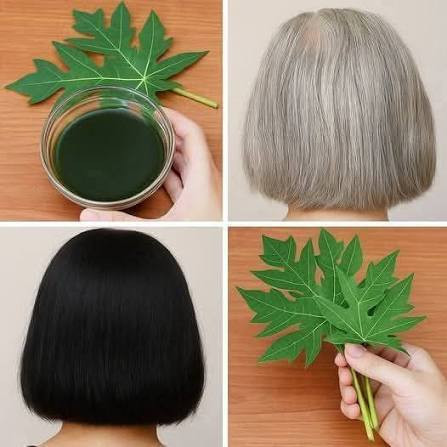
Step by Step Method
- Wash the papaya leaves carefully under running water.
- Tear the leaves into smaller pieces.
- Add the leaves to two cups of water.
- Simmer gently for 10 to 15 minutes.
- Turn off the heat and let the liquid cool completely.
- Strain out the leaves.
- After shampooing, pour the cooled rinse slowly over your scalp and hair.
- Massage gently for one minute using your fingertips.
- Leave it on for 3 to 5 minutes.
- Rinse again with plain water if your scalp is sensitive.
Here is the part many people miss.
Do not use the rinse while it is hot. Warm or hot liquid can irritate the scalp. Always let it cool fully before applying it.
How Often Should You Use It?
For most people, once a week is enough to start. More is not always better.
A practical schedule may look like this:
- Week 1: Try once and observe how your scalp feels.
- Week 2: Use once again if there is no irritation.
- Week 3: Continue weekly if your hair feels comfortable.
- Week 4: Decide whether it is worth keeping in your routine.
If your scalp feels itchy, tight, red, or uncomfortable, stop using it. Natural ingredients can still cause irritation in some people.
Papaya Leaf Rinse Compared With Common Hair Habits
Instead of thinking of papaya leaves as a miracle ingredient, it helps to compare them with everyday hair care habits.
Papaya leaf rinse: A traditional plant based rinse that may support a fresh, clean feeling.
Gentle shampoo: Helps remove oil, sweat, and buildup without stripping the scalp.
Conditioner: Supports softness, slip, and easier detangling.
Scalp massage: May help you apply products more evenly and reduce tension during washing.
Balanced diet: Supports the body with nutrients needed for normal hair structure.
Heat protection: Helps reduce the look of dryness and breakage from styling tools.
Đây là phần thú vị nhất: papaya leaves may fit best as an occasional add on, not as the foundation of your entire hair routine.
Nutrients Still Matter More Than Trends
Hair is made mainly from keratin, a structural protein. Your body needs enough protein, vitamins, minerals, and energy to support normal hair maintenance.
For example, the NIH notes that signs of biotin deficiency can include hair loss and brittle nails, although true deficiency is uncommon in people eating a balanced diet.
That means taking random supplements is not always the answer. A better approach is to focus on daily nourishment.
Hair friendly foods often include:
- Eggs, fish, beans, tofu, or yogurt for protein
- Nuts and seeds for healthy fats and minerals
- Leafy greens for folate and other micronutrients
- Citrus fruits, berries, and papaya fruit for vitamin C
- Whole grains for steady energy and B vitamins
- Water to support overall hydration
But remember, nutrition works slowly. Hair appearance changes over weeks and months, not overnight.
Common Mistakes to Avoid With Papaya Leaves
Many homemade beauty routines fail because people use them too aggressively. Papaya leaves are no exception.
Avoid these mistakes:
- Do not apply crushed raw leaves directly to the scalp without testing first.
- Do not leave a strong mixture on overnight.
- Do not mix papaya leaves with harsh ingredients like strong vinegar, alcohol, or irritating essential oils.
- Do not use the rinse on broken, painful, or inflamed skin.
- Do not assume natural means risk free.
- Do not use it daily if your scalp is dry or sensitive.
Một điều quan trọng nữa: if you are pregnant, have liver concerns, take regular medication, or plan to drink papaya leaf preparations, speak with a healthcare professional first. A systematic scoping review on papaya leaf consumption noted short term adult use may be generally safe, but it also highlighted cautions for pregnancy, liver impairment, and possible herb drug interactions.
For this article, the focus is topical cosmetic use, not drinking papaya leaf tea.
Who May Like This Traditional Hair Habit?
Papaya leaf rinse may appeal to people who:
- Prefer simple plant based beauty routines
- Want to reduce product buildup occasionally
- Enjoy traditional home care methods
- Have normal scalp skin without irritation
- Want a low cost rinse after shampooing
- Are patient and realistic about results
It may not be a good fit for people with very sensitive skin, active scalp conditions, open sores, strong allergies, or unexplained sudden shedding.
Telogen effluvium, for example, is a type of diffuse shedding that can happen after stress, illness, hormonal shifts, or medication changes. In that situation, a rinse may not address the underlying reason.
A Better Weekly Routine for Healthier Looking Hair
Papaya leaves may be only one small part of a routine. For better results, build the routine around gentle care.
Try This Weekly Plan
- Wash with a mild shampoo two or three times per week, depending on your scalp type.
- Use conditioner on the mid lengths and ends.
- Apply papaya leaf rinse once weekly if tolerated.
- Detangle with a wide tooth comb.
- Limit high heat styling.
- Sleep on a smooth pillowcase if your hair breaks easily.
- Eat enough protein each day.
- Avoid tight hairstyles that pull on the scalp.
Nhưng đó chưa phải là tất cả. The best results often come from consistency, not intensity. A gentle routine repeated for several weeks is usually better than a strong remedy used once in frustration.
The Smart Patch Test Before Using Papaya Leaves
This is the simple preparation step promised at the beginning.
Before using papaya leaf rinse on your scalp, apply a small amount to the inside of your arm. Wait 24 hours. If you notice redness, itching, burning, or swelling, do not use it on your scalp.
This small step can save you from discomfort.
It also helps you treat traditional ingredients with the same respect you would give any new cosmetic product.
Final Thoughts
Papaya leaves are becoming popular in natural hair care because they are traditional, affordable, and rich in plant compounds that may support a gentle beauty routine. The safest way to view them is as an occasional cosmetic rinse that may help hair feel fresher and better cared for, not as a guaranteed solution for hair growth or shedding.
For healthier looking hair, combine papaya leaf rinse with mild shampoo, conditioner, scalp kindness, balanced nutrition, and less heat damage. If your hair changes suddenly or your scalp feels painful, flaky, or inflamed, professional guidance is the smarter next step.
FAQ
Can papaya leaves make hair grow faster?
There is not enough strong human evidence to say papaya leaves make hair grow faster. They may be used as part of a gentle scalp and hair care routine, but they should not be promoted as a guaranteed hair growth solution.
Can I leave papaya leaf rinse on my hair overnight?
It is better not to leave it on overnight, especially when trying it for the first time. Start with 3 to 5 minutes, then rinse with plain water if your scalp is sensitive.
How many times a week should I use papaya leaf rinse?
Once a week is a reasonable starting point for cosmetic use. Stop using it if you notice itching, redness, dryness, or discomfort.
Disclaimer: This article is for general educational and cosmetic information only and is not a substitute for professional medical advice, diagnosis, or treatment.