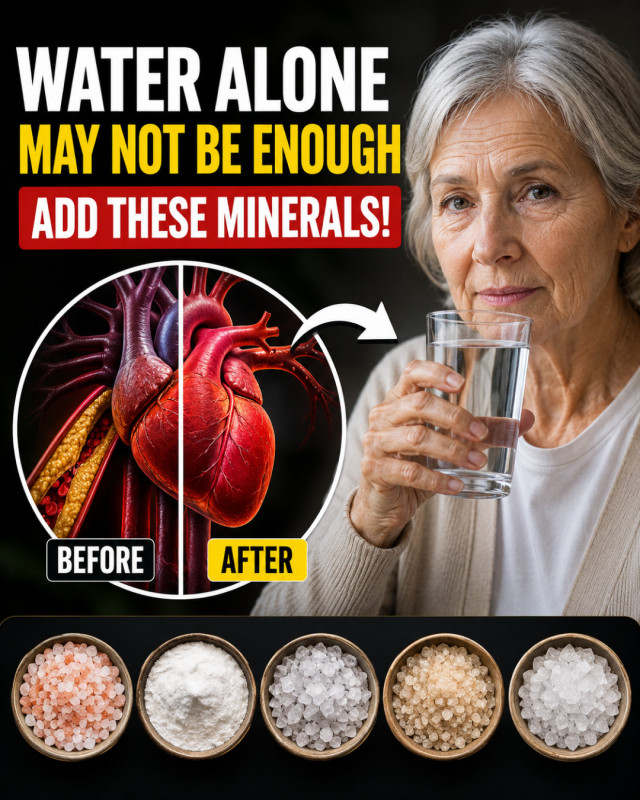
Water matters, but hydration is not only about how much you drink. Many people sip water all day and still feel tired, heavy, foggy, or slightly “off” because the body also relies on key minerals to move fluid into the right places. The truth is, minerals help support nerve signals, muscle movement, fluid balance, and everyday energy. And the most surprising part is that a few simple food habits near the end of this article may help you build a better hydration routine without chasing trendy drinks.
Why Water Alone May Not Always Feel Like Enough
Water is the foundation of hydration. It helps regulate body temperature, supports digestion, cushions joints, and carries nutrients through the body. Mayo Clinic notes that water is essential for many body functions, including temperature control and joint lubrication.
But here is the important part: your body does not use water in isolation.
It also depends on electrolytes, which are minerals that carry an electric charge. Harvard’s Nutrition Source explains that electrolyte minerals include sodium, potassium, magnesium, calcium, chloride, and phosphorus, and these minerals help support automatic body functions.
In simple words, water is the fluid, but minerals help guide how that fluid works.
That does not mean everyone needs electrolyte drinks every day. In fact, healthy kidneys tightly regulate electrolyte levels, and many people can get enough minerals from food.
But that is where things get interesting.
If your meals are low in mineral rich foods, or if you sweat often, eat highly processed foods, drink mostly plain water, or have a changing appetite with age, your daily routine may need more attention.
What Are Electrolyte Minerals?
Electrolytes are minerals found in your blood and body fluids. They help your body send signals, move muscles, and balance fluids.
The key minerals most people hear about are:
- Magnesium
- Potassium
- Sodium
- Calcium
- Chloride
- Phosphorus
Each one has a different role. Some support muscle contraction. Some help nerves communicate. Some help maintain fluid balance.
But the goal is not to take high doses.
The goal is balance.
That is the part many people miss.
Magnesium: The Mineral Many Adults Do Not Think About
Magnesium is involved in hundreds of processes in the body. The NIH Office of Dietary Supplements explains that magnesium supports muscle and nerve function, blood glucose control, and normal blood pressure regulation.
But let’s keep it practical.
Magnesium is often linked with:
- Normal muscle function
- Nerve signal support
- Energy production
- Relaxation of muscles after contraction
- Bone health support
The NIH lists adult magnesium needs at roughly 310 to 420 mg per day depending on age and sex.
Good food sources include:
- Pumpkin seeds
- Almonds
- Spinach
- Black beans
- Whole grains
- Avocado
- Dark chocolate in modest amounts
Here is the part worth remembering: magnesium is not a magic solution. It is a supportive nutrient that works best as part of a balanced eating pattern.
Potassium: A Mineral That Helps Balance Sodium
Potassium is another important electrolyte. It helps support normal cell function, muscle movement, and fluid balance.
NIH notes that potassium is found in many foods and plays a role in normal body function.
But that is not all.
Potassium also matters because many modern diets are high in sodium and lower in potassium rich foods. This can happen when people eat more packaged snacks, processed meats, fast foods, and salty sauces while eating fewer fruits, beans, and vegetables.
Potassium rich foods include:
- Bananas
- Potatoes
- Sweet potatoes
- Lentils
- Beans
- Spinach
- Yogurt
- Tomatoes
- Oranges
- Salmon
However, people with kidney disease or people taking certain medications may need to limit potassium. This is important because too much potassium can be unsafe for some individuals.
So, before adding potassium supplements, it is better to speak with a healthcare professional.
Food first is usually the safer place to start.
Sodium: Helpful in Small Amounts, Easy to Overdo
Sodium is often viewed negatively, but your body does need some sodium. Harvard explains that sodium helps conduct nerve impulses, supports muscle contraction and relaxation, and helps maintain water and mineral balance.
But here is the catch.
Most people do not struggle to get sodium. Many get too much, especially from processed foods, restaurant meals, chips, cured meats, canned soups, sauces, and frozen meals.
This is why electrolyte drinks are not always necessary for everyday use.
Some people may benefit from electrolytes after heavy sweating, long exercise, vomiting, diarrhea, or heat exposure. But for regular daily wellness, adding more sodium without a reason may not be helpful.
A simple rule is this:
If you are mostly sitting indoors, eating regular meals, and not sweating heavily, plain water plus mineral rich foods may be enough.
If you sweat a lot, work outdoors, exercise for long periods, or lose fluids through illness, your needs may be different.
Calcium: Not Just for Bones
Calcium is best known for supporting bones and teeth, but it also helps muscles contract and nerves send messages.
Good calcium sources include:
- Yogurt
- Milk
- Fortified plant milks
- Calcium set tofu
- Sardines with bones
- Kale
- Bok choy
- Fortified orange juice
But again, more is not always better.
Calcium works together with vitamin D, magnesium, and other nutrients. That is why a balanced diet usually supports the body better than focusing on one mineral alone.
Signs Your Hydration Routine May Need More Attention
These signs do not prove you have a mineral imbalance. They can come from many causes, including sleep, stress, medication, blood sugar changes, illness, or not eating enough.
Still, they can be gentle reminders to review your daily habits.
Pay attention if you often notice:
- Feeling thirsty even after drinking water
- Dry mouth during the day
- Dark yellow urine
- Headaches after sweating
- Muscle cramps after activity
- Low energy when meals are skipped
- Dizziness when standing up
- Feeling worse in hot weather
- Heavy or tired legs after long activity
- Strong cravings for salty foods after sweating
Here is the important safety note: sudden weakness, confusion, chest pain, fainting, severe dehydration, or persistent vomiting needs medical attention.
Do not try to fix serious symptoms with a drink.
Food First: The Safer Way to Support Minerals
The best hydration routine is not usually built from expensive powders.
It is built from simple meals.
Here is a practical daily pattern:
- Start with water in the morning
Drink a glass of water after waking. This helps replace fluid lost overnight through breathing and normal body processes.
- Add mineral rich foods at breakfast
Try oats with banana, yogurt with berries, eggs with spinach, or whole grain toast with avocado.
- Include beans or greens at lunch
Lentils, black beans, spinach, tomatoes, and leafy greens help add potassium and magnesium.
- Use salt wisely
A small amount of salt may fit into a healthy diet, but processed foods can push sodium intake too high very quickly.
- Rehydrate after sweating
After heavy sweating, pair water with food that contains minerals, such as yogurt, fruit, soup, or a balanced meal.
- Avoid overdoing plain water
Drinking extreme amounts of plain water in a short time can be unsafe because it may dilute sodium levels. This is uncommon, but it is one reason balance matters.
Simple Mineral Rich Drink Ideas
These are not cures. They are gentle wellness drinks that can fit into a balanced routine.
Cucumber Lemon Water With a Snack
Add cucumber slices and lemon to water. Pair it with a mineral rich snack like yogurt, nuts, or a banana.
This gives you fluid plus real food nutrients.
Coconut Water in Small Portions
Coconut water contains potassium, but it may not be right for everyone, especially people who need to limit potassium.
Use small portions and check labels for added sugar.
Homemade Light Electrolyte Style Water
For people who sweat heavily, a simple homemade option can include water, a squeeze of citrus, and food with a small amount of salt at mealtime.
But avoid turning every glass of water into a salty drink.
Your body does not need that every day.
Mineral Rich Smoothie
Blend yogurt, banana, spinach, and berries. This can provide fluid, potassium, magnesium, calcium, and protein in one simple option.
Here is the best part: it feels like a normal food habit, not a medical routine.
When Electrolyte Drinks May Make Sense
Electrolyte drinks can be useful in certain situations.
Harvard notes that sports drinks are designed to replenish fluids and electrolytes such as sodium, potassium, magnesium, and calcium during strenuous exercise.
They may be more relevant when:
- You exercise intensely for a long time
- You sweat heavily
- The weather is very hot
- You are losing fluids from vomiting or diarrhea
- A healthcare professional recommends oral rehydration
But for casual hydration, many electrolyte drinks may contain added sugar, flavorings, or sodium that you may not need.
So read labels carefully.
Look for:
- Low added sugar
- Reasonable sodium content
- No extreme mineral doses
- Clear serving size
- No exaggerated health promises
Who Should Be More Careful?
Some people should be cautious with electrolyte powders, mineral drops, or supplements.
This includes people with:
- Kidney disease
- Heart disease
- High blood pressure
- Fluid restriction
- Diabetes requiring close monitoring
- Use of diuretics
- Use of ACE inhibitors or potassium sparing medications
- A history of abnormal blood sodium or potassium
In these cases, even “natural” minerals can affect the body in unwanted ways.
That is why food based hydration is usually a safer first step.
A Simple Daily Hydration Checklist
Use this as a gentle guide, not a strict rule.
- Drink water regularly across the day
- Eat fruits or vegetables with meals
- Include magnesium rich foods several times per week
- Include potassium rich foods if medically appropriate
- Limit highly processed salty foods
- Rehydrate after sweating
- Notice urine color, thirst, and energy patterns
- Avoid high dose mineral supplements unless advised
- Choose electrolyte drinks only when they fit your situation
- Ask a clinician if symptoms are frequent or unusual
Small habits matter.
And they are easier to keep than extreme routines.
The Better Way to Think About Hydration
Hydration is not a race to drink the most water.
It is a daily rhythm.
Your body needs water, minerals, meals, and rest working together. When one part is missing, you may not feel your best, even if your water bottle is always full.
So the smarter goal is not “more water at all costs.”
The better goal is steady hydration with mineral rich foods.
That is a simple shift, but it can make your wellness routine feel more complete.
Conclusion
Water is essential, but your body also depends on minerals like magnesium, potassium, sodium, and calcium to support fluid balance, nerve signals, muscle movement, and daily energy. Most people do not need complicated electrolyte routines every day. A balanced diet with fruits, vegetables, beans, nuts, seeds, yogurt, and whole grains can help support mineral intake naturally.
The small secret is this: the best hydration habit may not be another bottle of water. It may be pairing water with the right mineral rich foods throughout the day.
FAQ
What minerals help support hydration?
The main electrolyte minerals include sodium, potassium, magnesium, calcium, chloride, and phosphorus. They help support fluid balance, nerve signals, and muscle function.
Is plain water enough every day?
For many people, yes. Plain water plus balanced meals is usually enough. People who sweat heavily, exercise for long periods, or lose fluids through illness may need extra electrolyte support.
Should I take electrolyte supplements daily?
Not everyone needs them. Some people should be careful, especially those with kidney disease, heart conditions, high blood pressure, or certain medications. Food based mineral intake is often a safer starting point.
Medical disclaimer: This article is for educational purposes only and does not replace medical advice, diagnosis, or treatment from a qualified healthcare professional.