Age spots can feel frustrating because they often appear slowly, then suddenly seem more noticeable on the face, hands, arms, and shoulders. For many older adults, these small brown patches are not just a cosmetic concern, but a quiet reminder of years of sun exposure and changing skin. The good news is that gentle daily habits, including sun protection, hydration, and nutrient rich foods like flaxseeds, may help support healthier looking skin over time. And near the end, you will discover the one simple flaxseed habit many people overlook.
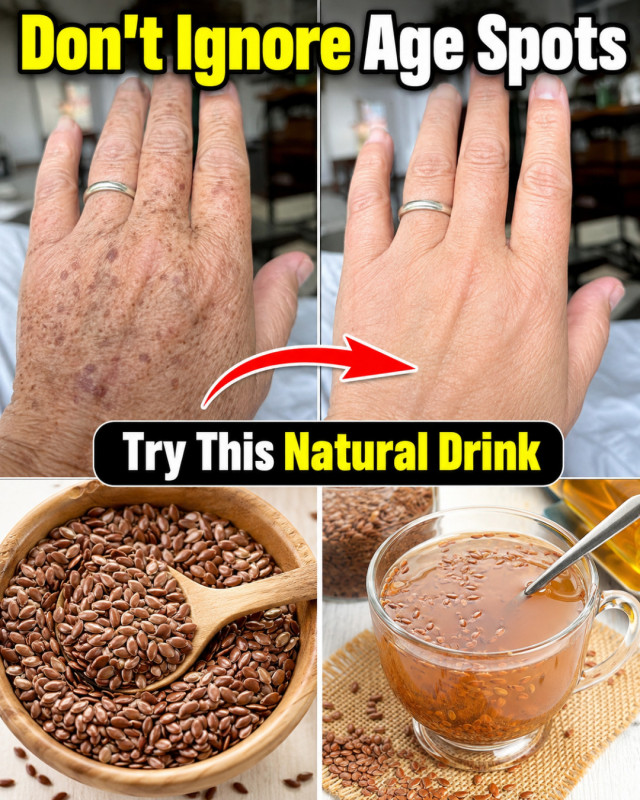
Understanding Age Spots Without Panic
Age spots are common flat brown, tan, or dark areas that often show up on parts of the skin that receive the most sunlight. They are especially common after years of outdoor exposure, even if a person did not notice much damage when they were younger.
The truth is, age spots do not mean your skin is “bad.” They often mean your skin has been working hard for decades.
According to dermatology guidance, sun exposure plays a major role in premature skin aging, including age spots, wrinkles, and changes in texture. Broad spectrum sunscreen with SPF 30 or higher is commonly recommended for daily protection on exposed skin.
But that is only one part of the story.
Skin health is also influenced by sleep, diet, hydration, stress, and the way you care for your skin every day. That is where flaxseeds may become a small but useful part of a balanced routine.
Why Flaxseeds Are Often Linked With Skin Support
Flaxseeds are tiny seeds with a mild, nutty flavor. They are commonly added to oatmeal, smoothies, yogurt, salads, and homemade baked foods.
Here is the interesting part.
Flaxseeds contain alpha linolenic acid, a plant source of omega 3 fat, along with dietary fiber and lignans, which are natural plant compounds studied for their antioxidant activity. Reviews on flaxseed nutrition describe it as a rich source of these bioactive components.
This does not mean flaxseeds remove age spots. They do not work like a cosmetic procedure, and they should not be presented as a quick solution.
Instead, flaxseeds may support overall wellness from the inside by contributing healthy fats, fiber, and plant nutrients to the diet.
And skin often reflects overall care.
The Skin Aging Connection: Sun, Oxidative Stress, and Daily Habits
To understand why flaxseeds are worth discussing, it helps to understand what happens to skin over time.
As we age, skin naturally becomes thinner, drier, and slower to renew itself. Sun exposure can speed up visible changes, especially on the face, neck, chest, hands, and arms. This is why many people notice age spots in exactly those areas.
Oxidative stress is another factor. In simple terms, oxidative stress happens when the body has more unstable molecules than it can comfortably manage. Antioxidants from foods may help support the body’s normal defense systems.
This is where nutrient rich foods matter.
A balanced diet cannot replace sunscreen, but it can support the body with building blocks needed for general skin health.
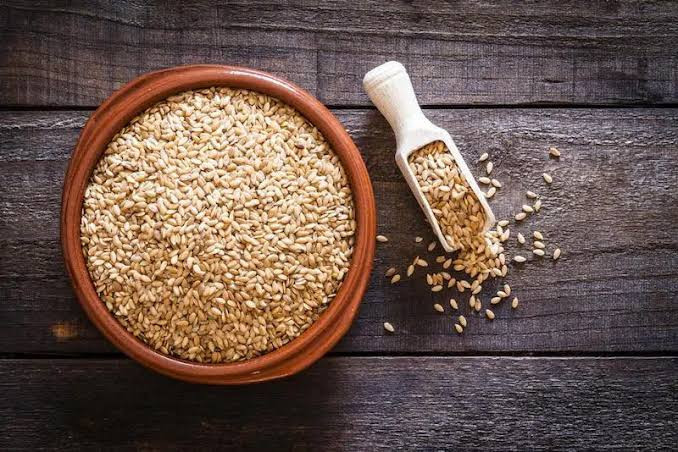
What Makes Flaxseeds Different From Many Other Seeds
Flaxseeds are small, affordable, and easy to store. They also offer a combination of nutrients that many older adults may find useful.
Key nutrients in flaxseeds include:
- Plant based omega 3 fats that support general wellness
- Fiber that supports digestion and helps meals feel more satisfying
- Lignans, which are plant compounds studied for antioxidant properties
- Small amounts of minerals that contribute to a varied diet
- A mild flavor that blends easily into everyday meals
But there is one important detail.
Whole flaxseeds often pass through the digestive system without being fully broken down. Ground flaxseed is usually easier for the body to use.
That small difference matters.
Ground Flaxseed or Whole Flaxseed: Which Is Better For Daily Use
For most people, ground flaxseed is the more practical choice. When flaxseeds are ground, the nutrients inside become easier to access during digestion.
Whole flaxseeds can still add texture to meals, but they may not provide the same level of nutrient availability.
A simple rule is this:
Use ground flaxseed for nutrition. Use whole flaxseed mainly for texture.
If you buy whole flaxseeds, you can grind a small amount in a blender or coffee grinder. Store the ground seeds in an airtight container in the refrigerator to help keep them fresh.
Here is the part many people miss.
Flaxseed oil contains healthy fat, but it does not contain the same fiber as ground flaxseed. For everyday meals, ground flaxseed gives you a broader nutrition profile.
A Gentle Flaxseed Habit For Older Adults
A simple flaxseed habit does not need to be complicated. In fact, it should be easy enough to repeat.
Start with a small amount.
Many people begin with one teaspoon of ground flaxseed per day, then slowly move toward one tablespoon if it feels comfortable. This gives the digestive system time to adjust.
Try this simple routine:
- Add one teaspoon of ground flaxseed to oatmeal or yogurt in the morning
- Drink a glass of water with the meal
- Continue for several days before increasing the amount
- Notice digestion, fullness, and comfort
- Keep the habit simple instead of forcing large amounts
The goal is not to overload your body.
The goal is consistency.
Easy Ways To Add Flaxseeds To Skin Friendly Meals
Flaxseeds work best when they are part of meals you already enjoy. You do not need a complicated recipe.
Try these ideas:
- Stir ground flaxseed into warm oatmeal with berries
- Mix it into plain yogurt with sliced banana
- Add it to a smoothie with spinach, apple, and milk or a milk alternative
- Sprinkle it over a salad after adding olive oil and lemon
- Blend it into soup after cooking
- Add it to homemade muffins or pancakes
- Mix it into cottage cheese with cinnamon
But that is not all.
Pairing flaxseeds with colorful fruits and vegetables gives your meal a wider variety of nutrients. Berries, leafy greens, carrots, tomatoes, citrus fruits, and sweet potatoes all bring different plant compounds to the table.
Skin likes variety.
What Flaxseeds Can And Cannot Do For Age Spots
This is where honesty matters.
Flaxseeds can be part of a skin supportive diet. They may contribute healthy fats, fiber, and antioxidant related compounds.
However, flaxseeds cannot replace daily sun protection. They cannot change years of sun exposure overnight. They also cannot safely answer whether a new or changing spot needs professional attention.
Age spots are usually harmless, but trusted medical sources note that some darker skin changes can look similar to more serious growths, so unusual, changing, bleeding, painful, or irregular spots should be checked by a qualified professional.
A safe skin routine should be built on three pillars:
- Protect the skin from extra sun exposure
- Support the body with balanced nutrition
- Watch for skin changes that deserve professional review
That is a calm, realistic approach.
The Most Overlooked Step: Protecting Your Hands
Many people care for the face but forget the hands.
Hands often receive years of sunlight from driving, gardening, walking, and daily errands. That is why age spots commonly appear there.
A practical routine looks like this:
- Apply sunscreen to the back of the hands before going outside
- Reapply after washing hands if you will remain outdoors
- Wear lightweight gloves for gardening
- Use moisturizer after washing to reduce dryness
- Keep ground flaxseed in the kitchen so your nutrition habit stays visible
Here is the surprising part.
The best skin routine is usually not the most expensive one. It is the one you can repeat.
A Simple Morning Routine For Skin Support
Morning is a good time to combine protection and nutrition.
Try this gentle routine:
- Wash your face with a mild cleanser
- Apply moisturizer while the skin is slightly damp
- Use broad spectrum sunscreen on exposed areas
- Eat a balanced breakfast with protein, fruit, and ground flaxseed
- Drink water or unsweetened tea
This creates a simple rhythm.
Protect outside. Nourish inside. Repeat daily.
A Simple Evening Routine For Skin Comfort
Evening care should focus on comfort, moisture, and consistency.
A gentle evening routine may include:
- Remove sunscreen and dirt with a mild cleanser
- Avoid harsh scrubbing on age spots
- Apply a simple moisturizer
- Prepare tomorrow’s flaxseed breakfast ingredient in advance
- Sleep in a cool, comfortable room when possible
The skin barrier, which is the outer protective layer of the skin, can become more delicate with age. Harsh scrubs, strong homemade acids, and aggressive rubbing may leave skin feeling irritated.
Gentle care is often smarter than intense care.
Foods That Pair Well With Flaxseeds
Flaxseeds are helpful, but they should not be the only skin supportive food in your routine.
For a more balanced approach, pair them with:
- Berries for vitamin C and colorful plant compounds
- Leafy greens for minerals and antioxidants
- Eggs or Greek yogurt for protein
- Beans or lentils for fiber and minerals
- Olive oil or avocado for healthy fats
- Fish, walnuts, or chia seeds for additional omega 3 sources
Research reviews on sunscreen and photoaging also emphasize that daily broad spectrum protection remains important for reducing the effects of ultraviolet exposure on the skin.
So think of food as support, not a substitute.
Common Mistakes To Avoid
Some skin habits sound natural but can be too harsh, especially for older skin.
Avoid these common mistakes:
- Rubbing lemon juice directly on age spots before going outdoors
- Scrubbing the same area aggressively every day
- Skipping sunscreen on cloudy days
- Expecting one food to change the skin quickly
- Taking large amounts of flaxseed suddenly
- Ignoring a spot that changes shape, color, size, or sensation
The safest results often come from patience, not pressure.
Who Should Be Careful With Flaxseeds
Flaxseeds are common foods, but they may not be right for everyone in large amounts.
Speak with a healthcare professional before using flaxseed regularly if you are pregnant, preparing for a medical procedure, taking blood thinning medicine, managing a digestive condition, or following a restricted diet.
Also, increase flaxseed slowly and drink enough fluids. Because flaxseed contains fiber, adding too much at once may cause bloating or digestive discomfort.
Simple is better.
Start small. Observe your body. Adjust gently.
A Seven Day Flaxseed Skin Support Plan
This plan is not meant to promise visible changes in one week. It is meant to help you build a realistic habit.
Day 1: Add one teaspoon of ground flaxseed to breakfast
Day 2: Drink an extra glass of water with your flaxseed meal
Day 3: Apply sunscreen to your hands before leaving home
Day 4: Add berries or citrus fruit to your breakfast
Day 5: Use moisturizer after washing your hands
Day 6: Prepare a small jar of ground flaxseed for easy access
Day 7: Review which habit felt easiest and repeat it next week
That is how lasting routines begin.
Not with pressure.
With one small action repeated often.
Final Thoughts
Age spots are a common part of aging skin, especially after years of sun exposure. They can also be a helpful reminder to care for the skin more gently and consistently.
Flaxseeds are not a magic answer, but they can be a smart addition to a balanced diet because they provide plant based omega 3 fats, fiber, and lignans. When paired with sunscreen, moisturizer, hydration, sleep, and colorful whole foods, they may help support overall skin health from the inside.
The simple habit worth remembering is this:
Use ground flaxseed, start small, pair it with real food, and protect your skin from daily sun exposure.
That combination is gentle, realistic, and much easier to maintain.
FAQ
Can flaxseeds remove age spots?
No. Flaxseeds should not be viewed as a way to remove age spots. They are a nutrient rich food that may support overall skin health as part of a balanced lifestyle.
How much flaxseed should older adults start with?
Many people start with one teaspoon of ground flaxseed per day and slowly increase if comfortable. It is best to drink enough fluids and avoid sudden large amounts.
What is the most important daily habit for age spots?
Daily sun protection is one of the most important habits. Broad spectrum sunscreen, protective clothing, shade, and gentle skin care all help reduce additional sun related skin changes.
Disclaimer: This article is for general educational purposes only and is not a substitute for personal medical advice from a qualified healthcare professional.