You take your vitamins and supplements every morning because you want to feel your best and fill any gaps in your diet. It feels responsible. Yet what if some of those daily pills are quietly adding extra work for two organs that already handle a heavy load every day — your liver and kidneys? Plenty of people reach a point where routine blood work brings unexpected news, and they leave the doctor’s office wondering whether their good intentions have been working against them. That moment can feel unsettling and even embarrassing.
The encouraging news is that small, informed changes in how you approach supplementation can ease unnecessary pressure on these vital systems. By the end of this article you will see exactly which nine supplements deserve closer attention and the straightforward habits that help protect your body’s natural filters for the long run.
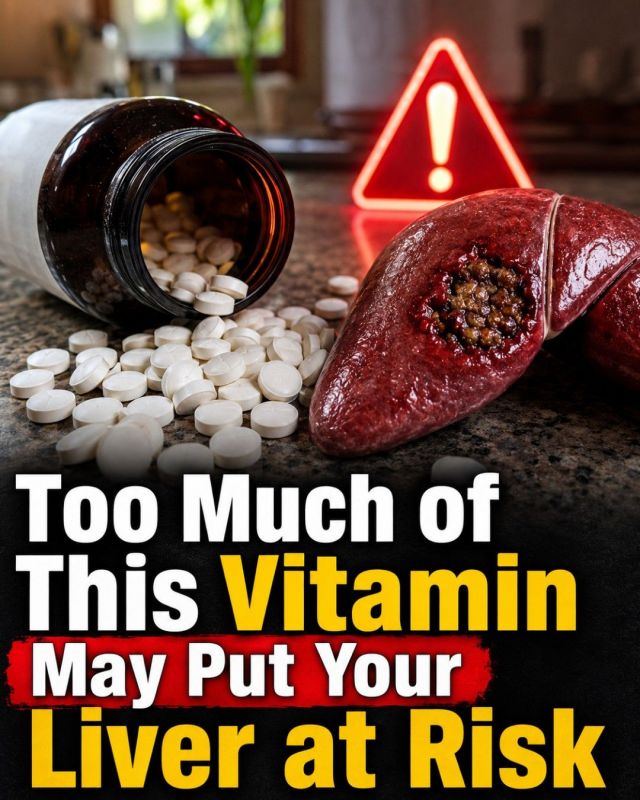
Why Your Body’s Natural Filters Need Extra Care
Your liver and kidneys work around the clock as your body’s cleanup crew. The liver processes nutrients, breaks down compounds, and stores what you do not use right away. The kidneys filter waste and balance fluids.
As the years pass, these systems often become a little less efficient at clearing excess amounts of certain nutrients. Fat-soluble vitamins, for example, do not wash out easily in urine the way water-soluble ones do. Instead they can build up in liver tissue and fat stores. When intake stays high for months or years without a matching need, the organs can face more processing work than they once did.
Research from health authorities consistently points to the same practical truth: most people get plenty of nutrients from a varied plate of whole foods. When supplements are added on top without checking actual needs, the total load can rise quickly. The body simply has fewer built-in ways to offload what it cannot use.
The 9 Supplements That Often Raise Concerns

Health experts frequently highlight these nine because of how the body handles them, especially when doses are high or use continues without clear need:
- High-dose Vitamin A — excess stores in the liver and can contribute to long-term strain.
- High-dose Vitamin D — surplus can affect calcium balance and add work for both liver and kidneys.
- High-dose Vitamin E — large amounts may influence blood clotting and oxidative balance over time.
- Supplemental Vitamin K — while important, extra amounts beyond food sources deserve monitoring when other medications are involved.
- High-dose Vitamin C — the kidneys handle the overflow, and very large supplemental doses can increase their workload.
- Iron supplements without confirmed low levels — unused iron can accumulate in the liver.
- Concentrated green tea extract — delivers far more active compounds than brewed tea and has been linked in reports to liver stress in some people.
- Concentrated curcumin (turmeric) supplements — high-dose extracts in pill form differ from everyday kitchen use and warrant caution.
- Ashwagandha supplements — some case reports have noted liver enzyme changes with prolonged or high-dose use.
But that is only the starting point. The real story lies in how each of these interacts with a slower metabolism and what you can do instead.
Fat-Soluble Vitamins: Why A, D, E, and K Deserve Thoughtful Use

Fat-soluble vitamins dissolve in fat and travel through the body differently than water-soluble ones. Your liver acts like a pantry, tucking away what you do not need immediately. When the pantry stays full for too long, the liver keeps working to manage the stock.
Vitamin A in very high supplemental doses is a classic example. The body cannot simply flush the excess the way it handles extra vitamin C. Over time this can affect how the liver functions. The same storage principle applies to vitamin D. While many people need support for bone health, taking large amounts without testing current levels can push calcium handling into overdrive, which then involves the kidneys.
Vitamin E in high doses has been studied for its effects on blood clotting pathways. When combined with certain medications, the total impact can become harder to predict. Vitamin K plays a helpful role in clotting too, yet supplemental forms added on top of a diet already rich in leafy greens can create an imbalance if you take blood-thinning medicines.
The pattern is clear. These vitamins are essential, yet the “more is better” habit often backfires once the body’s storage and clearance systems are no longer as quick as they used to be. Food sources — eggs, dairy, colorful vegetables, nuts, and seeds — deliver them in smaller, steadier amounts that the body recognizes and uses more easily.
High-Dose Vitamin C and Iron: When the Kidneys and Liver Carry Extra Weight
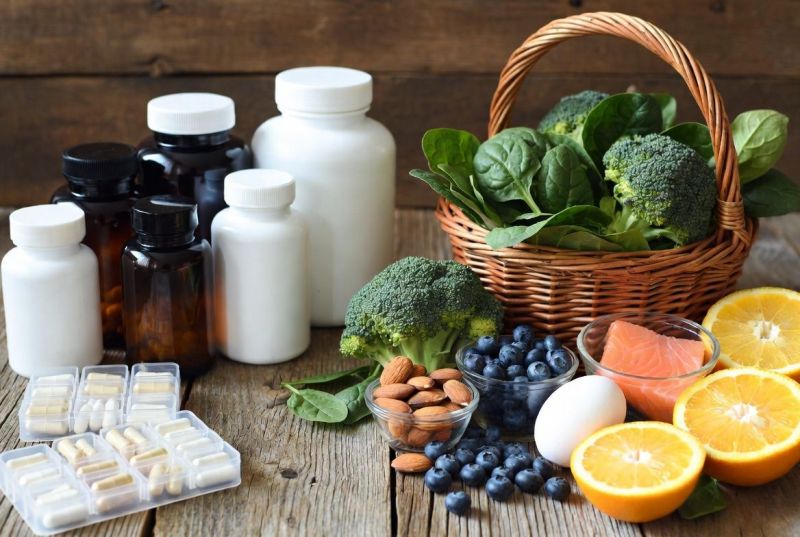
Vitamin C is water-soluble, so the body usually excretes what it does not need. That safety net has limits. When people take several thousand milligrams a day in supplement form, the kidneys must process and remove the surplus. For some individuals this extra filtering work has been linked to higher oxalate levels, which can affect kidney stone risk over time.
Iron follows a different path. Your body holds onto iron tightly because it is hard to get rid of once absorbed. If you do not have a diagnosed deficiency, adding iron pills can lead to gradual buildup in the liver. That stored iron can then participate in reactions that create extra oxidative stress for the organ. Many people take iron “just in case” or because they feel tired, yet fatigue has many causes and adding iron without testing can create a new problem while the original one stays unsolved.
Concentrated Plant Extracts: Green Tea, Curcumin, and Ashwagandha
Drinking a cup of green tea is a gentle, time-honored habit in many cultures. The concentrated extracts sold in capsules are a different story. They deliver much higher amounts of specific compounds in a single dose. Some published reports have connected these high-dose extracts with liver enzyme changes in certain users, especially when taken on an empty stomach or for long periods.
Curcumin supplements follow a similar pattern. The spice turmeric used in cooking is generally well tolerated. Highly concentrated curcumin pills, however, have prompted caution in some medical literature because the liver must process the large bolus of active material.
Ashwagandha has gained popularity for sleep and stress support. While many people use it without issue, case reports from around the world have noted liver-related changes in a small number of users. The same caution applies to other herbal products such as black cohosh and kava, which have carried similar warnings from health authorities for years.
The common thread is concentration. Food and traditional preparations spread the active compounds across a day and across a meal. Pills deliver them all at once in much larger quantities.
How Supplements Can Interact With Medications You Already Take

Many adults in later years take one or more prescribed medicines. Supplements do not sit in a separate lane. They travel the same metabolic pathways and can change how the body handles those medicines.
Vitamin E and high-dose fish oil, for example, can add to the effect of blood thinners. Vitamin K can work in the opposite direction. Iron and certain antibiotics do not absorb well when taken together. Even seemingly gentle herbals can influence liver enzymes that break down common prescriptions for blood pressure, cholesterol, or blood sugar.
The result is not always dramatic, yet the combination can shift lab numbers in ways that surprise both patient and doctor. Bringing a complete list of every supplement and herb to every appointment removes the guesswork and keeps the conversation accurate.
Practical Steps to Lighten the Load Starting Today
You do not need to stop every supplement tomorrow. You do need a clear process for deciding what stays and what can go.
- Gather every bottle and packet you currently take and write them down with the exact dose.
- Compare each dose against the official recommended daily amount for your age and sex. Most people discover they already meet or exceed several targets through food alone.
- Schedule a conversation with your doctor or pharmacist. Bring the list and recent blood work results. Ask specifically about liver and kidney markers in relation to what you take.
- Request targeted nutrient testing rather than guessing. Knowing your actual vitamin D level or iron stores removes the need for blanket supplementation.
- Shift the focus to meals. Build plates that naturally supply the nutrients you once sought in pills — leafy greens, eggs, nuts, seeds, citrus, beans, and colorful vegetables.
- Reassess every six months. Needs change, and a supplement that made sense last year may no longer fit this year’s lab results or medication list.
These steps sound simple because they are. The power comes from doing them consistently instead of letting the supplement drawer fill with hopeful but unexamined bottles.
Nourish Your Body Through Food First
Whole foods deliver nutrients in the right proportions and with the fiber and companions your body expects. A bowl of oatmeal with nuts and fruit gives steady energy and several B vitamins. A salad with olive oil, avocado, and colorful vegetables supplies fat-soluble vitamins in a form the liver processes gradually. A piece of fish or a serving of lentils provides iron without the overload risk of a concentrated pill.
When you eat this way, your liver and kidneys receive smaller, repeated doses throughout the day rather than one large surge. The organs handle the workload more smoothly, and you often feel more satisfied because meals engage all the senses in a way pills cannot.
A Final Word on Protecting Your Natural Balance
The goal is not to fear every capsule. The goal is to treat supplements as targeted tools rather than automatic daily insurance. When you match what you take to what your body actually needs, the liver and kidneys can continue their quiet work without extra strain. That single shift often brings the biggest return for long-term comfort and peace of mind.
Frequently Asked Questions
Can a regular multivitamin still be useful, or should everyone stop taking them?
A well-formulated multivitamin with moderate doses can serve as a safety net when diet is limited by appetite, dental issues, or access to fresh food. The key is checking that the amounts of fat-soluble vitamins stay within standard guidelines and discussing your specific situation with a healthcare professional rather than assuming you need one.
Is it ever safe to take herbal supplements such as ashwagandha for sleep or stress?
Many people use them without noticeable problems. However, concentrated extracts carry a small but documented risk of liver changes in some users. The safest approach is to mention every herbal product to your doctor, especially if you take prescription medicines or already have liver or kidney monitoring in place.
How will I know if supplements are affecting my liver or kidneys?
Most people notice nothing until a routine blood test shows changes in liver enzymes or kidney function markers. That is why bringing your full supplement list to every check-up matters more than waiting for symptoms. Early conversation with your healthcare team lets you adjust before any issue becomes larger.
This article is for general information only and does not replace personalized medical advice. Always consult a qualified healthcare professional before starting, stopping, or changing any supplement, especially if you have existing health conditions or take prescription medications.