Many seniors wake up to the unpleasant sensation of cold feet that seem resistant to warming, or they experience toes that feel numb and tingly during the day. These issues, combined with skin that appears thinner, drier, or changes in appearance on the lower legs and feet, can make everyday activities like walking to the kitchen or relaxing in the evening feel less comfortable than they used to. The truth is, these changes are often connected to shifts in how blood moves through the body as we age, and they can leave people feeling worried about their mobility and independence. But here’s the encouraging part: there are gentle habits that research suggests may help support healthy circulation, and by the end of this article, you’ll learn a simple evening routine that many seniors find surprisingly effective at promoting comfort in their legs and feet.
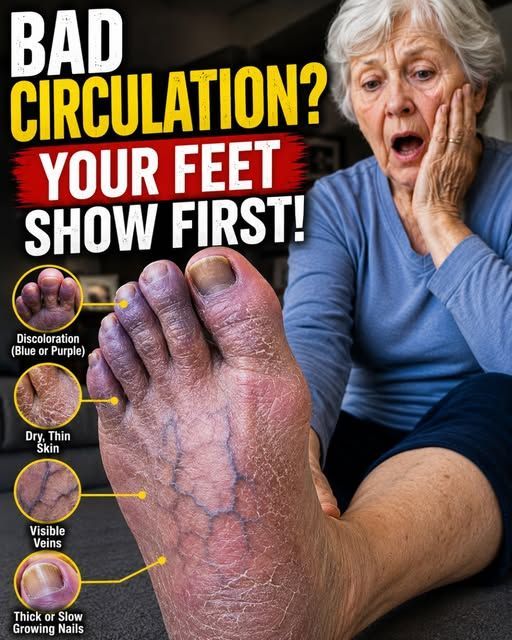
 How Cold Feet and Numb Toes Often Develop in Older Adults
The sensation of cold feet and numb toes tends to become more noticeable after the age of 60 or 65 because blood vessels can lose some of their flexibility over time. When circulation slows, less warmth and oxygen reach the extremities, leading to that familiar chill or pins-and-needles feeling that can interrupt sleep or make it harder to stay active. Seniors dealing with these symptoms frequently report that their feet feel like blocks of ice even in a warm room, which can add stress to routines that once felt effortless.
But that’s not the only factor at play. Reduced physical activity, which sometimes happens naturally with age, can further contribute to sluggish blood flow, creating a cycle where discomfort leads to less movement and even poorer circulation. The good news is that understanding this process empowers seniors to take small, consistent actions that may help break the cycle and bring back more comfort to their daily lives.
 Skin Changes That May Accompany Circulation Challenges
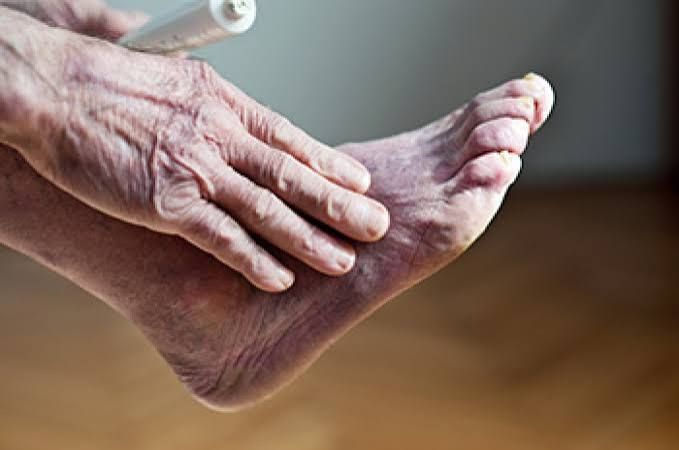
Alongside cold feet and numb toes, many seniors notice their skin becoming drier, thinner, or developing a shiny appearance on the shins and feet. These skin changes can stem from reduced blood supply delivering fewer nutrients and moisture to the surface layers, making the skin more prone to cracking or feeling tight and uncomfortable. For those experiencing this combination of symptoms, it can be concerning to see visible signs that something in the body is shifting, especially when it affects how the legs look and feel during routine care like applying lotion.
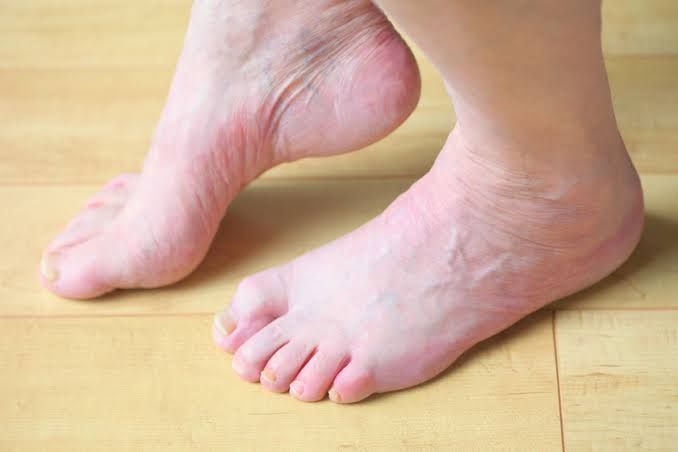
Research indicates that supporting overall blood flow through lifestyle choices may help maintain skin health in the lower extremities as well. The key is to approach these changes with patience and practical steps rather than worry, focusing on habits that nurture the body’s natural processes.
 Nourishing Your Body to Support Healthy Circulation
What you eat plays a significant role in how well your blood flows. Seniors looking to support their circulation often benefit from including plenty of colorful vegetables, berries, nuts, and fatty fish in their meals. These foods provide antioxidants, healthy fats, and vitamins that research links to better blood vessel function and reduced inflammation. For seniors struggling with cold feet and numb toes, consistent nourishment can be one gentle way to help the body maintain steady energy and comfort throughout the day.
The interesting thing is that small, repeated choices add up. A colorful plate at lunch or a handful of nuts in the afternoon can contribute to the nutrients your blood vessels need to stay flexible. But remember, it’s the overall pattern of eating that matters most, not any single food.
Here are some circulation-friendly food ideas many seniors find easy to add:
- A handful of walnuts or almonds as a snack for healthy fats and vitamin E
- A small bowl of mixed berries topped with yogurt for antioxidants
- Grilled salmon or other omega-3 rich fish two or three times a week
- Fresh salads with spinach, beets, or carrots and a squeeze of lemon
- Warm ginger or hibiscus tea in the afternoon instead of another coffee
 Gentle Movement That May Help Warm Cold Feet and Reduce Numbness
One of the most effective ways to support circulation is through regular, gentle movement. When leg muscles contract during walking or simple exercises, they act like a pump that helps push blood back toward the heart. Seniors who make it a habit to move throughout the day often notice their feet stay warmer and their toes feel less tingly. The discomfort of persistent cold feet and numb toes can make people hesitant to move, yet movement itself is often what brings the most noticeable relief.
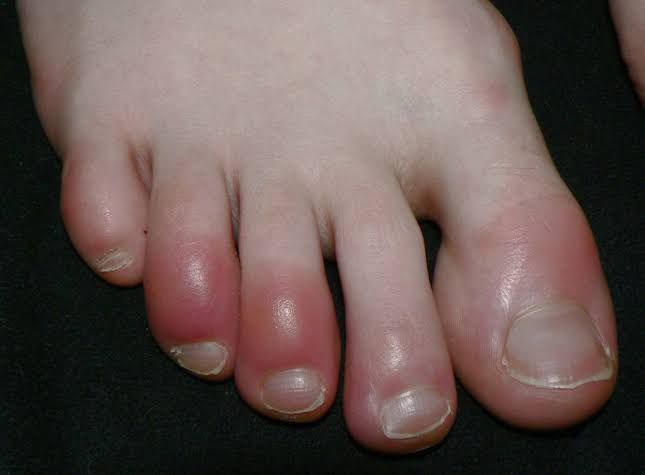
The challenge for many is finding activities that feel doable without causing strain. The truth is, even short sessions of movement can add up and make a meaningful difference over time. You don’t need intense workouts — just consistent, kind movement that fits your day.
Try these simple practices to get started:
- Morning ankle pumps — While still in bed or sitting in a chair, point and flex your toes 10–15 times, then rotate your ankles in gentle circles. This gets blood moving right away and can help reduce morning stiffness in cold feet.
- Short walking breaks — Every hour, stand up and walk around your home or yard for 2–3 minutes. Even this brief activity can prevent blood from pooling in the legs.
- Seated leg lifts — Sit tall in a chair, straighten one leg at a time, hold for a few seconds, then lower slowly. Repeat 8–10 times per leg to engage the muscles that support circulation.
- Evening foot massage — Before bed, use your hands or a soft ball to gently massage the soles and tops of your feet. Many seniors find this not only warms the feet but also promotes relaxation for better sleep.
 Protecting Your Legs and Feet Throughout the Day
Beyond adding good habits, protecting against factors that can worsen cold feet, numb toes, and skin changes is equally important. Tight socks or shoes that squeeze the ankles can restrict blood flow, so choosing loose, comfortable options makes a real difference for seniors dealing with these issues. Many people are surprised to learn how much a simple change in footwear can affect daily comfort.
Staying hydrated is another simple yet powerful step, as dehydration can make blood thicker and harder to circulate. Aim for regular sips of water throughout the day, especially if you enjoy warm beverages like tea or coffee. When resting, try elevating your legs on a pillow or ottoman for 15–20 minutes. This position uses gravity to help blood return more easily from the feet and can bring noticeable relief from heaviness or swelling that sometimes accompanies circulation challenges.
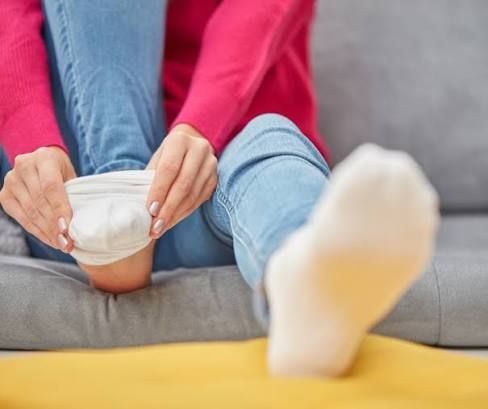
 A Simple Evening Ritual That May Transform How Your Feet Feel
Many people overlook the power of a consistent wind-down routine for circulation. After a day of activity or rest, spending just a few minutes caring for your legs and feet can support blood flow and prepare the body for restorative sleep. Seniors with cold feet and numb toes often discover that a calming evening practice helps them fall asleep more easily and wake with less discomfort.
Here’s how to create your own soothing ritual:
- Start by soaking your feet in a basin of warm (not hot) water for 5–10 minutes. The gentle warmth can help dilate blood vessels and bring soothing relief to cold feet.
- Follow with a light massage using a moisturizer to nourish the skin and stimulate circulation through touch.
- Finish by putting on a pair of soft, loose cotton socks to lock in warmth overnight.
Seniors who adopt this practice often report waking up with feet that feel more comfortable and less prone to numbness in the morning. It’s a small investment of time that can yield big returns in daily comfort and peace of mind.
Bringing It All Together for Better Daily Comfort
Cold feet, numb toes, and skin changes don’t have to limit how fully seniors enjoy their days. By understanding the role of circulation and embracing gentle, consistent habits like nourishing foods, regular movement, leg elevation, and a soothing evening ritual, many people find they can support their body’s natural balance. The most important thing is to start small, stay consistent, and listen to your body along the way.
These tips are meant to complement, not replace, professional medical care. If symptoms persist or worsen, reaching out to a healthcare provider is always a wise step to ensure everything is on track.
Frequently Asked Questions About Cold Feet, Numb Toes, and Circulation in Seniors
Is it normal for seniors to have persistently cold feet and numb toes?
While some changes in temperature sensation and circulation can occur with aging, persistent or one-sided symptoms should be evaluated by a doctor to rule out other causes and receive personalized advice.
How long does it take to notice improvements from circulation-supporting habits?
Results vary from person to person, but many seniors report feeling subtle differences in warmth and comfort within a few weeks of consistent gentle movement, better hydration, and the evening ritual. Patience and regularity are key.
Are there any quick exercises I can do if my toes start feeling numb while watching TV?
Yes, try wiggling your toes vigorously for 30 seconds, then point and flex them several times. Follow with ankle circles. These quick movements can help get blood flowing again and reduce the numb sensation temporarily.
Disclaimer: The information in this article is provided for general educational purposes only and should not be considered medical advice. It is not intended to diagnose, treat, cure, or prevent any condition. Always consult with a qualified healthcare professional before making changes to your health routine or if you have concerns about symptoms like cold feet, numb toes, or skin changes.