You know that moment when you stand up after sitting for a while and your legs feel heavy and unsteady, making you grab the nearest chair to steady yourself? It is more common than most people admit, and it can leave you feeling self-conscious, especially when it happens around family or when you are trying to stay active. Over time these little struggles can quietly take away from simple joys like walking in the garden or keeping up during everyday errands. The encouraging news is that everyday foods may play a meaningful role in supporting how blood moves through your body, and by the end of this article you will have a clear list of 12 options plus one often-overlooked habit that can help the benefits show up more noticeably in daily life.

Why Blood Flow to Your Legs and Feet Matters More Than You Might Think
Your heart works hard to push blood all the way down to your legs and feet and then back up again. Because these areas sit farthest from the heart and must work against gravity, even small changes in vessel flexibility or blood thickness can show up as cold sensations, heaviness after sitting, or slower recovery after activity.
When blood flows smoothly it carries oxygen and nutrients to muscles and tissues while helping remove waste. Many people notice that when this process feels less efficient, simple movements become more tiring. The body has natural systems to keep vessels relaxed and open, and certain foods supply compounds that can support those systems.
Research on nutrition and vascular function, including work published in journals such as the American Journal of Clinical Nutrition, has explored how everyday eating patterns relate to blood vessel health and comfort during daily movement. The connection is not magic, but it is practical and within reach for most households.
How Specific Foods Can Contribute to the Picture

Many of the foods on the list below share helpful traits. Some deliver dietary nitrates that your body can turn into nitric oxide, a natural signal that encourages blood vessels to relax and widen slightly. Others bring antioxidants that help protect the delicate inner lining of vessels from everyday stress. Still others provide healthy fats or anti-inflammatory compounds that support overall cardiovascular balance.

But that is not the whole story. The way these foods work often depends on consistent use rather than one big meal. Small amounts eaten regularly tend to fit better into real life than dramatic changes that are hard to maintain. The interesting part is that many of these foods are already familiar in kitchens around the world and do not require special equipment or expensive ingredients.
Here is a quick overview before we look at each one in more detail.
| Food | Key Compounds | Simple Way It May Help Support Blood Flow |
|---|---|---|
| Beets | Dietary nitrates | Supports nitric oxide production for vessel relaxation |
| Garlic | Allicin and sulfur compounds | Associated with healthy blood pressure responses |
| Ginger | Gingerols | May encourage smoother circulation and comfort |
| Turmeric | Curcumin | Offers anti-inflammatory support for vessel health |
| Berries | Anthocyanins and flavonoids | Antioxidants that help protect blood vessel lining |
| Citrus fruits | Vitamin C and flavonoids | Supports collagen in vessel walls and antioxidant defense |
| Leafy greens | Nitrates and vitamin K | Another strong source of nitrates for nitric oxide |
| Walnuts | Omega-3 fats and L-arginine | May support nitric oxide and reduce inflammation |
| Fatty fish | Omega-3 fatty acids | Helps maintain healthy inflammatory balance |
| Dark chocolate | Cocoa flavanols | Linked to improved endothelial function in studies |
| Cayenne pepper | Capsaicin | May promote a warming sensation and vessel dilation |
| Pomegranate | Punicalagins and antioxidants | Associated with arterial flexibility in research |
12 Foods That May Support Better Blood Flow to Your Legs and Feet
1. Beets
Beets are among the richest common sources of dietary nitrates. Once eaten, these nitrates travel through the body and can be converted into nitric oxide, which helps signal blood vessels to open a little wider. This process is one reason beetroot appears often in studies on circulation and exercise comfort.
You can roast whole beets with a little olive oil until tender, then slice them into salads or grain bowls. Grated raw beet adds color and mild sweetness to salads. A small glass of beet juice a few times a week also works for many people. Start with half a medium beet or about ½ cup cooked to see how your body responds.
2. Garlic
Garlic contains sulfur compounds that become active when the clove is crushed or chopped and left to sit for a few minutes. These compounds have been studied for their relationship to blood pressure and vessel function. Many people find the flavor easy to add without much effort.
Crush or finely chop one or two cloves and let them rest before adding to soups, stir-fried vegetables, or roasted dishes. If raw garlic feels too strong, lightly cooking it still preserves useful compounds. A little goes a long way, so one or two cloves most days is a reasonable target.
3. Ginger
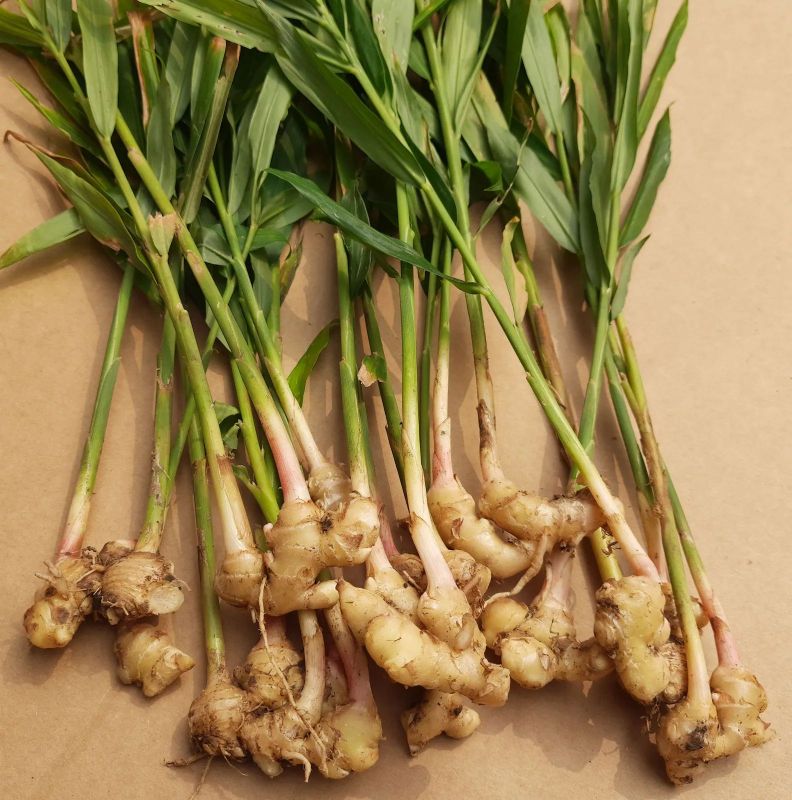
Ginger has a long history in traditional kitchens and has been examined in modern research for its effects on circulation and comfort after activity. The natural compounds called gingerols may help support smoother blood movement and ease occasional stiffness.
Fresh ginger root keeps well in the fridge. Grate a teaspoon or two into hot water for a simple tea, or add it to vegetable stir-fries and soups. Powdered ginger works in baking or spice blends when fresh is not available. Many people enjoy a warm cup in the evening.
4. Turmeric
Turmeric contains curcumin, a compound studied for its anti-inflammatory properties. Chronic low-level inflammation can affect how flexibly blood vessels respond, so foods that help keep inflammation in check may indirectly support circulation comfort.
Use turmeric in curries, roasted vegetables, or golden milk (turmeric warmed in milk or plant milk with a pinch of black pepper). The black pepper helps the body absorb curcumin better. A teaspoon or two most days fits easily into many meal styles around the world.
5. Berries
Blueberries, strawberries, and other berries deliver anthocyanins and other flavonoids. These antioxidants have been linked in studies to better endothelial function and protection of blood vessel walls from everyday oxidative stress.
A handful of fresh or frozen berries on yogurt, oatmeal, or as a snack is one of the simplest additions. They require almost no preparation and travel well. When berries are out of season, frozen ones retain most of their helpful compounds.
6. Citrus Fruits
Oranges, grapefruits, lemons, and limes provide vitamin C along with flavonoids that support the structure of blood vessel walls. Vitamin C also acts as an antioxidant that helps maintain the health of the vessel lining.
Eat whole citrus when possible rather than only juice, because the fiber slows absorption and adds more benefits. A glass of water with fresh lemon or lime slices is an easy daily habit. One medium orange or half a grapefruit makes a satisfying snack or breakfast addition.
7. Leafy Greens
Spinach, kale, arugula, and similar greens are another excellent source of dietary nitrates, similar to beets. They also bring vitamin K, which plays a role in healthy blood vessel calcification balance.
Add a big handful to soups, smoothies, or stir-fries. Lightly sautéed greens with garlic make a quick side dish. Even a small salad most days contributes meaningful nitrates without much effort.
8. Walnuts
Walnuts stand out among nuts for their omega-3 content and L-arginine, an amino acid involved in nitric oxide production. Research on nuts and heart health often highlights walnuts specifically.
A small handful (about ¼ cup) a few times a week works well. Chop them over oatmeal, yogurt, or salads. They also make a satisfying snack on their own. Store them in the fridge or freezer to keep the healthy fats fresh.
9. Fatty Fish
Salmon, sardines, mackerel, and similar fish supply omega-3 fatty acids that help maintain a healthy balance of inflammation in the body. Better inflammatory balance supports more flexible blood vessels over time.
Aim for two servings a week when possible. Canned sardines or salmon are convenient, affordable options in many countries. For those who prefer plant sources, walnuts and ground flaxseed offer related benefits, though the conversion rate differs.
10. Dark Chocolate
Dark chocolate with at least 70% cocoa contains flavanols that have been studied for their ability to support nitric oxide production and endothelial function. The key is moderation and choosing quality chocolate.
One or two small squares after a meal can fit into a balanced approach. Look for varieties without excessive added sugar. This small treat shows that supporting circulation does not always mean giving up enjoyable foods entirely.
11. Cayenne Pepper and Other Hot Peppers
Capsaicin, the compound that gives cayenne and chili peppers their heat, has been examined for its ability to promote blood vessel dilation and a warming sensation in the body.
A pinch of cayenne can be added to soups, eggs, or roasted vegetables. Fresh chili peppers work in many traditional dishes worldwide. Start small if you are not used to spicy food; even modest amounts may offer benefits.
12. Pomegranate
Pomegranate seeds and juice contain powerful antioxidants called punicalagins. Studies have explored their relationship to arterial stiffness and overall blood flow comfort.
Eat the fresh seeds as a snack or sprinkle them over salads and yogurt. Pure pomegranate juice without added sugar can be diluted with water for a refreshing drink. A small glass a few times a week is a common serving in research settings.
Easy Ways to Build These Foods Into Your Daily Routine
You do not need to overhaul everything at once. Small, steady additions tend to last longer.
- Keep a bag of frozen berries in the freezer for quick additions to breakfast or snacks.
- Crush garlic at the start of meal prep so the beneficial compounds develop before cooking.
- Keep fresh ginger and turmeric root on hand; they last weeks in the refrigerator.
- Add a handful of leafy greens to whatever you are already cooking most evenings.
- Enjoy a square of dark chocolate mindfully instead of reaching for less supportive sweets.
- Rotate beets, citrus, and pomegranate through the week so you do not get bored.
The Often-Overlooked Habit That Can Make These Foods Work Better
Here is the piece that ties many of the benefits together. After you eat a meal containing some of these supportive foods, take a gentle 10- to 15-minute walk if your body allows. The calf muscles in your lower legs act like a second pump that helps push blood back toward the heart.
Research on light post-meal activity shows improvements in blood flow and comfort. This simple movement pairs beautifully with the nitrate-rich and antioxidant foods above. You do not need intense exercise; a relaxed stroll around the house or garden is often enough. Many people find this habit surprisingly effective at reducing that heavy feeling after sitting.
A Few Habits Worth Rethinking
Certain everyday patterns can work against the very circulation you are trying to support. Long stretches of sitting without standing or moving can reduce the natural muscle pump in the legs. Meals very high in processed foods and salt may contribute to fluid retention and thicker blood in some people. Smoking or regular exposure to smoke is particularly hard on blood vessels.
Making small shifts, such as standing and moving for a minute or two every 30 to 60 minutes, choosing water over sugary drinks, and keeping salt moderate, often complements the food changes nicely. These adjustments are not about perfection; they are about giving your body more consistent support.
What Results Might Look Like and When to Check With a Professional
Everyone responds differently. Some people notice feet feeling less cold or legs feeling lighter during daily activities within a few weeks of steady changes. Others experience more subtle improvements in energy or comfort over a longer period. The key is consistency rather than expecting dramatic overnight shifts.
If you experience persistent swelling, pain, skin changes, or wounds that heal slowly, these are signals worth discussing with a healthcare provider. Dietary support works best alongside professional guidance when needed.
Frequently Asked Questions
Can these foods replace medical care if I already have circulation concerns?
No. These foods may support overall vascular health as part of a balanced lifestyle, but they are not a substitute for evaluation or treatment from a qualified healthcare professional. If you have ongoing symptoms, please consult your doctor.
How long does it usually take to notice any difference?
Individual responses vary. Some people report feeling more comfortable during daily movement within two to four weeks of consistent inclusion of these foods and light activity. Studies on nitrates and antioxidants often look at effects over several weeks, so patience and steady habits matter more than quick fixes.
Are there any foods on this list I should be careful with?
Most people tolerate these foods well. However, if you take blood-thinning medications, talk with your doctor or pharmacist before increasing intake of garlic, ginger, turmeric, or large amounts of leafy greens, as they can interact with certain medications. People with kidney concerns should also check portion guidance for high-potassium foods like beets and citrus.
Final Thoughts
You now have a practical list of 12 foods that research links to better vascular support, along with simple ways to bring them into everyday meals. The combination of these foods with the gentle movement habit after eating gives you a realistic, sustainable approach that respects how the body actually works. Start with two or three foods that already appeal to you this week. Small, repeated choices often create the most noticeable shifts in how your legs and feet feel during the activities you enjoy.
This article is for general informational and educational purposes only. It is not intended as personalized medical advice, diagnosis, or treatment. Always consult a qualified healthcare professional before making significant changes to your diet, exercise routine, or lifestyle, especially if you have any existing health conditions, take medications, or have concerns about your circulation.