You catch your reflection in a store window while out running errands and feel that familiar twinge of disappointment – the lines around your eyes seem deeper than you remember, your skin looks a little duller, and your posture doesn’t quite carry the same energy it used to. It’s not vanity talking; it’s that quiet realization that how you present yourself to the world is shifting in ways that affect your confidence when meeting friends or even just feeling good about yourself in photos. Many of us experience this, and while it’s tempting to think it’s unavoidable, research shows that certain daily habits play a much larger role in these visible changes than most people realize. But here’s the encouraging part: by identifying and adjusting just a few of these patterns, you can support your skin and overall appearance in meaningful ways – and I’ll share a particularly surprising habit most people never connect to their appearance until they learn the link, right at the end of this piece.
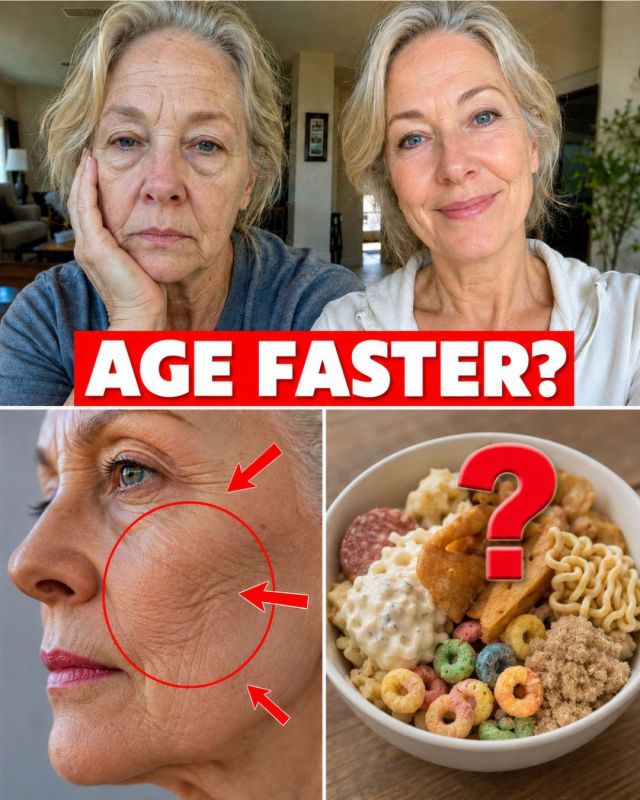
Why Small Daily Choices Add Up Over Time
The skin you see in the mirror today reflects both the years that have passed and the small things you do – or skip – day after day. Experts note that up to 90 percent of visible skin changes come from external factors rather than time alone.
That means the habits you repeat every morning and evening matter more than you might expect. The good news is these factors are often within your control.
The reality is, your skin works hard to repair itself, but it needs the right conditions to do that job well. When those conditions are missing, the changes show up gradually as dullness, loss of firmness, or a tired overall look.
But that’s not the full picture. Some habits affect more than just the surface – they influence how your face holds its shape and how your skin behaves over months and years.
Quick Overview: 10 Habits and Supportive Swaps
Before we go deeper into each one, here is a side-by-side look at the habits we will explore and practical alternatives that fit real life.
| Habit to Reconsider | How It May Show Up | Supportive Swap to Try |
|---|---|---|
| Skipping daily sun protection | Dullness, spots, loss of firmness | Apply broad-spectrum SPF 30+ every morning |
| Smoking or smoke exposure | Sallow tone, deeper lines around mouth | Seek support to quit and protect from secondhand smoke |
| Skimping on quality sleep | Puffiness, dark circles, sagging | Set a consistent bedtime and wind-down routine |
| Letting dehydration build | Crepey texture, prominent fine lines | Sip water steadily throughout the day |
| Loading up on sugar and processed foods | Stiff collagen, dullness, sagging | Choose whole foods and balanced meals |
| Letting stress build without release | Etched lines, inflamed skin | Add short daily breathing or movement breaks |
| Slouching instead of standing tall | Sunken look, less defined jawline | Check posture every hour and adjust |
| Putting off dental care | Sunken cheeks, changed face shape | Schedule regular checkups and daily brushing/flossing |
| Regular heavier alcohol intake | Puffiness, broken capillaries, dehydration | Limit to moderate levels or choose alternatives |
| Using harsh products or skipping moisturizer | Dryness that highlights lines | Switch to gentle cleansing and daily moisturizing |
These swaps are not about perfection. They are about small, consistent steps that add up.
Habit 1: Skipping Daily Sun Protection
 Most of us know the sun can burn, but its everyday effect goes much deeper. Ultraviolet rays quietly break down the collagen and elastin fibers that keep skin firm and smooth.
Over time this shows up as rough texture, brown spots, and a general loss of firmness that makes the face look more weathered.
The truth is, even brief exposure during a commute or through a car windshield adds to the total load. Up to 90 percent of visible skin changes in many people trace back to cumulative sun exposure rather than the calendar alone.
If you have been inconsistent with protection, starting now still helps limit further impact.
Here is how to build the habit without overhauling your routine:
- Choose a lightweight broad-spectrum sunscreen with SPF 30 or higher that feels comfortable on your skin.
- Smooth it on as the last step in your morning routine, about 15 minutes before heading out.
- Cover your face, neck, ears, and the backs of your hands – areas that often show age first.
- Keep a travel tube in your bag or car for easy reapplication if you will be outside longer than two hours.
- On bright days add a wide-brim hat for an extra layer of shade.
Habit 2: Smoking or Being Around Smoke
Cigarette smoke and even secondhand exposure narrow blood vessels and reduce oxygen reaching the skin. This starves tissues of the nutrients they need and damages collagen at a faster rate.
The result often appears as a sallow, grayish tone and deeper lines, especially around the mouth from the repeated pursing motion. Twin studies have shown smokers develop more pronounced wrinkles and sagging compared with their nonsmoking siblings.
But that’s not all. The chemicals in smoke also trigger inflammation that weakens the skin barrier over time.
If you smoke, this is one of the fastest ways to accelerate an older appearance. Quitting brings visible benefits you can notice in skin tone and overall vitality within weeks to months.
Practical steps include talking with your doctor about cessation support, avoiding environments with heavy smoke, and staying hydrated to help skin recover.
Habit 3: Skimping on Quality Sleep
During deep sleep your skin shifts into repair mode, building collagen and clearing daily damage. When that window is short or fragmented, repair falls behind.
You may notice puffiness under the eyes, darker circles, and a general loss of firmness the next morning. Over months this pattern contributes to a persistently tired look.
The reality is, sleep quality often declines with age for many reasons, yet small adjustments can make a difference.
Try these steps:
- Set a consistent bedtime and wake time, even on weekends.
- Create a wind-down routine without screens for the last 30-60 minutes.
- Keep the bedroom cool, dark, and quiet.
- If you wake often, consider a short afternoon walk earlier in the day to support better nighttime rest.
Habit 4: Letting Dehydration Build During the Day
Skin needs internal moisture to stay plump and smooth. When fluid intake falls short, the surface can look crepey and fine lines stand out more.
Many people do not feel thirsty until dehydration is already affecting how their skin behaves.
The truth is, this habit is easy to overlook because the changes happen gradually.
Here is a simple way to stay ahead:
- Keep a water bottle nearby and take small sips every hour rather than large amounts at once.
- Flavor water with cucumber or lemon if plain water feels boring.
- Notice urine color – pale yellow usually signals good hydration.
- Limit caffeine and alcohol, which pull fluid from tissues.
Habit 5: Loading Up on Sugar and Processed Foods
Over time this contributes to sagging and a duller complexion. Processed foods often add to the load through inflammation and poor nutrient density.
But here’s where it gets interesting: you do not need to eliminate every treat. The key is balance and frequency.
Actionable swaps include:
- Choosing whole fruits instead of sugary snacks most days.
- Building meals around vegetables, lean proteins, and healthy fats.
- Reading labels to spot hidden sugars in sauces and packaged items.
- Allowing occasional treats without guilt so the habit feels sustainable.
Habit 6: Letting Stress Build Without Release
Ongoing stress raises cortisol, which can break down collagen and weaken the skin barrier. Repeated facial tension from frowning or jaw clenching also etches lines over time.
You might not notice the daily toll until you see the cumulative effect in the mirror.
The encouraging part is that even short daily resets help.
Try these:
- Take three slow breaths whenever you feel tension rising.
- Step outside for a five-minute walk after meals or between tasks.
- Notice where you hold stress in your face and consciously relax those muscles a few times a day.
Habit 7: Slouching Instead of Standing Tall
Poor posture does more than strain your back. It can change how your face and neck appear by reducing blood flow, encouraging fluid buildup, and pulling facial structures downward.
Over time this may contribute to a heavier look around the jawline and more noticeable folds.
This is one of the most overlooked connections between daily habits and appearance.
Simple checks you can do:
- Every hour, gently pull your shoulders back and lengthen the back of your neck.
- When sitting, keep feet flat and screen at eye level to avoid forward head tilt.
- Add a short daily walk with awareness of upright posture.
- Consider a reminder app or sticky note until the habit becomes automatic.
Habit 8: Putting Off Dental Care
This is the surprising habit I mentioned earlier. Tooth loss or ongoing gum inflammation can lead to jawbone shrinkage, which changes the shape of the lower face and makes cheeks appear sunken.
Chronic inflammation from gum disease may also travel through the body and affect collagen elsewhere.
Many people focus only on skin products and never connect their smile to overall facial appearance.
Here is how to protect this foundation:
- Brush twice daily with a soft brush and floss once a day.
- Schedule professional cleanings and checkups every six months or as recommended.
- If you wear dentures or have missing teeth, discuss options with your dentist to maintain facial structure.
- Stay consistent – small daily care prevents bigger changes later.
Habit 9: Regular Heavier Alcohol Intake
Alcohol pulls fluid from the body and can dilate blood vessels, leading to puffiness the next day and broken capillaries over time.
Frequent intake also dehydrates skin and may worsen inflammation.
Moderation looks different for everyone, but reducing frequency often brings clearer, less puffy skin within days to weeks.
Practical steps:
- Alternate alcoholic drinks with water.
- Set a personal limit and track it for a couple of weeks to see patterns.
- Choose lower-alcohol options or non-alcoholic alternatives on some occasions.
Habit 10: Using Harsh Products or Skipping Moisturizer
Stripping the skin with strong cleansers removes natural oils that protect the barrier. Without daily moisture, the surface can look drier and lines appear more prominent.
The skin barrier weakens with age for many people, so gentle care becomes even more important.
Here is a straightforward approach:
- Switch to a mild, fragrance-free cleanser used once or twice daily.
- Apply a moisturizer suited to your skin type while skin is still damp.
- Introduce new products slowly, one at a time, to watch how your skin responds.
- Protect the barrier instead of fighting it.
Putting It All Together: Your Action Plan
You do not need to change everything at once. Pick the one or two habits that feel most relevant and start there. Consistency beats intensity.
Track how your skin and energy feel after two to four weeks. Many people notice brighter tone, better hydration, and a subtle lift in how their face carries itself.
Remember that surprising habit about dental care and facial structure? It shows how interconnected everything is. Small daily attention in one area often supports others.
Frequently Asked Questions
Can changing these habits make a visible difference even later in life?
Many people notice improvements in skin brightness, texture, and how their face holds its shape after several weeks of consistent changes. The skin and supporting tissues retain some ability to respond when given better daily conditions.
Is sunscreen still worth it if I spend most of my time indoors?
Yes. UVA rays pass through windows and clouds year-round and contribute to cumulative damage. Daily application on exposed areas helps limit that ongoing exposure.
Do I need expensive products, or will simple habits be enough?
Research suggests foundational habits like sun protection, hydration, sleep, and gentle care often deliver more noticeable support than products alone. Quality basics used consistently tend to outperform sporadic expensive routines.
A Final Word of Encouragement
You have seen the 10 habits that can quietly influence how you look and feel. None of them require perfection or expensive overhauls. The power sits in small, repeated choices that respect how your body actually works.
Start where you are. Your future reflection may thank you for the care you give it today.
Disclaimer: This article is for general informational purposes only and does not constitute medical, dental, or professional advice. Individual results vary. Consult a qualified healthcare provider or dermatologist for personalized recommendations, especially if you have existing skin conditions or health concerns.