Visible veins on the legs can feel unsettling, especially when they seem to appear more clearly with age. Many adults over 50 notice blue, purple, or raised veins and quietly wonder whether it is just aging, long hours of sitting, or something their body is trying to signal. The uncomfortable part is that legs may also feel heavy, tired, itchy, or swollen by the end of the day. The good news is that simple daily habits may help support healthy circulation and leg comfort, and one gentle routine near the end of this article may be easier than most people expect.
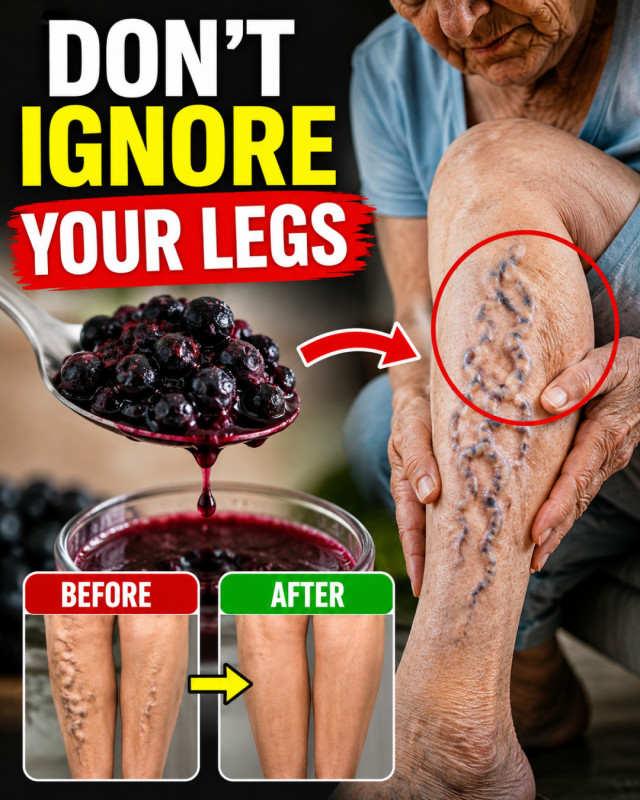
Why Visible Veins Become More Common After 50
Visible leg veins are often linked with changes in how blood moves through the veins. Veins carry blood back toward the heart, and tiny valves inside them help keep blood moving in the right direction. Over time, those valves may not work as smoothly as they once did.
When blood has a harder time moving upward from the legs, pressure can build in the veins. This can make veins look larger, twisted, or more noticeable under the skin. Mayo Clinic notes that varicose veins may be mainly cosmetic for some people, but they can also cause aching, heaviness, and discomfort in others.
But that is not the whole story.
Aging is only one factor. Daily lifestyle patterns can also make a difference. Long periods of sitting, standing in one place, low movement, extra body weight, and family history may all play a role in how visible veins appear and how the legs feel.
What Visible Veins May Feel Like
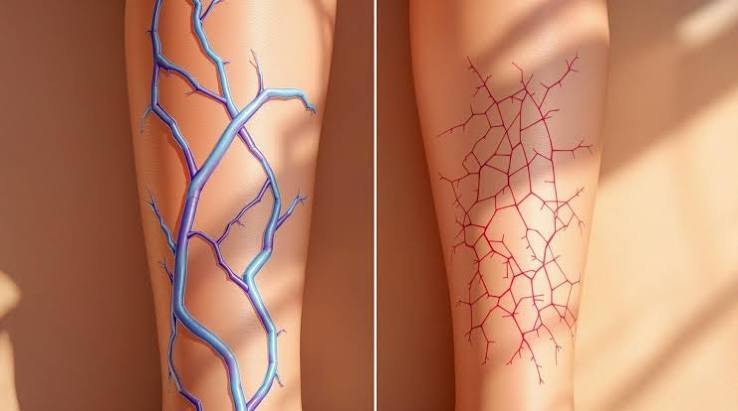
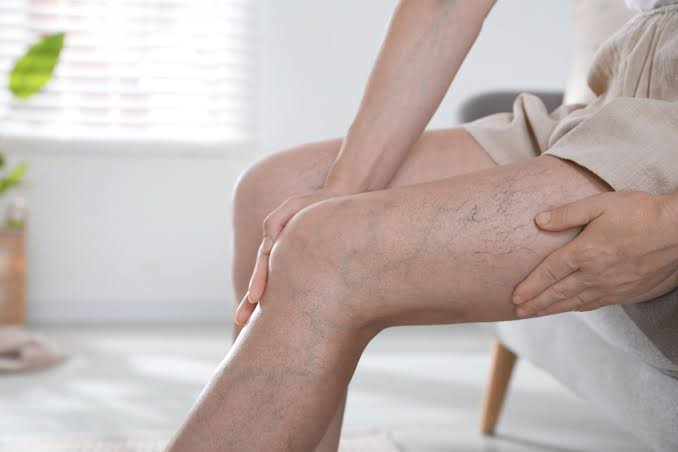
Not every visible vein is dangerous. Some people have spider veins, which are smaller and closer to the skin. Others may have larger varicose veins that bulge or twist.
Common leg sensations may include:
- A heavy feeling in the legs
- Mild aching after standing
- Tired legs in the evening
- Itching around visible veins
- Swelling near the ankles
- Throbbing or warmth after a long day
- Leg discomfort that improves after resting or elevating the legs
Here is the important part.
These symptoms do not automatically mean something serious is happening. However, they are worth paying attention to, especially if they are new, worsening, or only happening in one leg.
When Visible Veins Should Not Be Ignored
Most visible veins are not an emergency, but certain changes deserve medical attention. Cleveland Clinic advises checking with a healthcare provider if veins or nearby skin are bleeding, discolored, painful, red, warm to the touch, or swollen.
You should seek urgent medical care if you notice signs that could suggest a blood clot, such as swelling in one leg, calf pain or cramping, skin color changes, or warmth in the affected leg. Mayo Clinic lists these as possible symptoms of deep vein thrombosis, also called DVT.
Do not panic. Just be aware.
Visible veins alone are often manageable with lifestyle support, but sudden pain, one sided swelling, warmth, redness, chest pain, or shortness of breath should never be brushed off.
The Circulation Connection
Healthy circulation depends on several systems working together. Your heart pumps blood, your arteries carry blood away from the heart, and your veins help return blood upward from the legs.
The legs have an extra challenge: gravity.
That means your calf muscles act almost like a natural pump. Every time you walk, flex your feet, or move your ankles, those muscles help push blood back toward the heart.
This is why movement matters so much.
The CDC recommends that older adults aim for regular moderate activity, such as brisk walking, along with muscle strengthening and balance activities when possible.
The truth is, you do not need an intense workout to begin supporting your legs. Small, repeated movement during the day can be surprisingly helpful.
A Simple Daily Habit for Leg Comfort
One of the most practical habits for visible veins and heavy legs is a short circulation support routine. It combines gentle movement, hydration, leg elevation, and foods that support blood vessel health.
Think of it as a daily leg reset.
Step 1: Start With 5 Minutes of Easy Walking
Walk around your home, yard, hallway, or neighborhood for 5 minutes. Keep the pace comfortable. The goal is not to sweat. The goal is to wake up the calf muscles.
If walking is difficult, try seated marching instead. Sit upright, lift one knee slightly, lower it, then repeat on the other side.
This simple movement helps your legs stop staying still for too long.
Step 2: Do 30 Ankle Pumps
Sit or stand safely while holding a chair. Point your toes forward, then pull them back toward your shins. Repeat slowly.
This movement activates the lower leg muscles, which help support blood flow from the legs upward.
Do this:
- 10 ankle pumps with both feet
- Rest for 10 seconds
- 10 more ankle pumps
- Rest again
- Finish with 10 slow ankle circles
Small movement counts.
Step 3: Elevate Your Legs for 10 to 15 Minutes
After movement, lie down or sit comfortably and raise your legs. Mayo Clinic includes leg elevation as one of the common self care approaches for varicose veins.
Try placing your calves on pillows so your legs are slightly above heart level if comfortable. Do not force the position. The goal is gentle relief, not strain.
This can be especially helpful after a long day of standing or sitting.
Step 4: Sip a Vitamin C Rich Drink
Food cannot remove visible veins. That would be misleading.
However, vitamin C is important for forming collagen, a protein used in blood vessels and other tissues. MedlinePlus explains that vitamin C helps form collagen and is involved in the repair and maintenance of body tissues.
A simple drink idea:
- Water
- Fresh lemon slices
- Cucumber slices
- A few berries
- Optional fresh mint
- Optional thin slice of ginger for flavor
Let it sit for 10 minutes, then sip it with breakfast or after your walking routine.
This is not a treatment. It is a refreshing way to support hydration and include vitamin C rich ingredients in your day.
Foods That May Support Healthy Veins
Nutrition does not work like magic, but it can support overall vascular wellness. A balanced pattern with colorful plants, protein, fiber, and enough fluids may help your body maintain healthy tissues.
Consider adding more of these foods:
- Citrus fruits such as oranges, lemons, and grapefruit
- Berries such as strawberries, blueberries, and raspberries
- Leafy greens such as spinach and kale
- Beans and lentils for fiber
- Oats for a heart friendly breakfast
- Nuts and seeds in moderate portions
- Fish rich in omega 3 fats, if suitable for your diet
- Water rich foods such as cucumber and watermelon
Here is the interesting part.
These foods support general wellness in different ways. Some provide vitamin C. Some provide fiber. Some help replace salty, ultra processed snacks that may contribute to fluid retention in certain people.
Daily Habits That May Make Leg Veins Feel Worse
Sometimes the most helpful step is removing what quietly makes the legs feel heavier.
Try to limit these patterns:
- Sitting for hours without standing up
- Standing in one place for long periods
- Crossing your legs for a long time
- Wearing very tight clothing around the waist or thighs
- Eating very salty meals often
- Skipping water during the day
- Ignoring shoes that cause poor posture or foot discomfort
But remember this.
You do not have to change everything overnight. Choose one habit and repeat it daily for a week. Consistency is more useful than perfection.
What About Compression Socks?
Compression stockings are commonly used to support leg veins. Mayo Clinic notes that wearing compression stockings is often one of the first approaches used because they help veins and leg muscles move blood.
NHS Inform also explains that compression stockings apply pressure to the lower legs and may help improve blood flow, swelling, and pain.
However, compression socks are not for everyone.
Some people need a specific size or pressure level. People with certain circulation problems, skin issues, diabetes related foot concerns, or nerve problems should ask a healthcare professional before using them.
If you try compression socks, make sure they are comfortable, not painfully tight, and not causing numbness, tingling, or skin color changes.
A Gentle 7 Day Leg Support Routine
This routine is simple enough for many adults over 50 to try, as long as it feels safe and comfortable.
Day 1 and Day 2
Walk for 5 minutes after breakfast. Do 30 ankle pumps. Drink a glass of water with lemon or berries.
Day 3 and Day 4
Add 10 minutes of leg elevation in the afternoon or evening. Notice whether your legs feel lighter afterward.
Day 5
Prepare a simple plate with one vitamin C rich food, one fiber rich food, and one protein source.
Example: eggs, berries, oats, and water.
Day 6
Take short movement breaks. Stand up or move your ankles every 45 to 60 minutes if you sit for long periods.
Day 7
Review your symptoms. Are your legs less tired? Is swelling the same, better, or worse? Are there any warning signs?
This is not about chasing a perfect result.
It is about learning what your legs respond to.
The Bedtime Leg Reset
Here is the simple habit promised earlier.
Before bed, spend 12 minutes on your legs.
First, walk slowly around your home for 3 minutes. Then sit down and do 30 ankle pumps. After that, elevate your legs for 8 to 10 minutes while breathing slowly.
That is it.
This routine is gentle, free, and easy to remember. It may help reduce the feeling of heaviness after a long day, especially when combined with regular movement and a balanced diet.
The key is to do it consistently, not aggressively.
What Not to Believe About Visible Veins
Online health content can make leg veins sound frightening. Some posts claim that one drink, herb, or home remedy can erase veins quickly.
Be careful with that.
Visible veins do not disappear overnight because of a drink. Varicose veins can involve vein valve changes, pressure, genetics, and time. A healthy drink may support hydration and nutrient intake, but it should not be presented as a cure.
Also avoid rubbing harsh ingredients, strong essential oils, or homemade chemical mixtures directly on visible veins. Sensitive skin can become irritated, especially in older adults.
Safe support is usually simple:
- Move often
- Elevate your legs
- Stay hydrated
- Eat colorful foods
- Ask about compression when appropriate
- Watch for warning signs
That may sound basic, but basics are often what the body responds to best.
How to Talk to a Doctor About Visible Veins
If visible veins bother you, prepare a few notes before your appointment. This makes the conversation easier and more useful.
Write down:
- When the veins first appeared
- Whether symptoms are in one leg or both legs
- Any swelling, itching, aching, or skin changes
- Whether symptoms worsen after standing
- What helps, such as walking or elevation
- Any family history of vein problems
- Any medicines or supplements you take
A healthcare professional may check your legs, ask about symptoms, and decide whether further testing is needed.
This does not mean something is wrong. It simply means you are taking your leg health seriously.
Conclusion
Visible veins on the legs after 50 are common, but they are still worth noticing. For many people, simple daily habits such as walking, ankle pumps, leg elevation, hydration, and vitamin C rich foods may help support circulation comfort.
The most important lesson is balance.
Do not ignore new pain, one sided swelling, warmth, redness, bleeding, or skin changes. At the same time, do not believe dramatic claims that one ingredient can remove visible veins. Gentle consistency is the safer path.
Start with the 12 minute bedtime leg reset tonight. Your legs may appreciate the attention.
FAQ
Are visible veins on legs normal after 50?
Visible veins can become more common with age because vein valves and circulation patterns change over time. They are often not dangerous, but they should be checked if they cause pain, swelling, skin changes, warmth, redness, or bleeding.
Can walking help with visible leg veins?
Walking may help support leg comfort because calf muscles assist blood movement from the legs back toward the heart. It will not erase veins, but regular gentle movement may support overall circulation and reduce heavy leg feelings in some people.
What drink is good for leg circulation support?
No drink can cure or remove visible veins. However, water with lemon, cucumber, berries, or mint can support hydration and provide vitamin C rich ingredients. Vitamin C helps the body form collagen, which is used in blood vessels and other tissues.
Disclaimer: This article is for general educational purposes only and is not a substitute for professional medical advice, diagnosis, or treatment. Always speak with a qualified healthcare provider about new, severe, or worsening leg symptoms.