Many people reach for garlic to add bold flavor to everyday meals, yet they later deal with unexpected bloating, heartburn, or other discomfort that turns dinner into something they’d rather skip. It’s frustrating when a kitchen favorite starts creating more problems than pleasure, especially when you’re simply trying to enjoy your food without second-guessing every bite. The reality is that how, when, and how much garlic you use can make a real difference in how your body feels afterward. Small adjustments often bring back the enjoyment without the downsides. Stick with me through this guide, because one particular pairing that many overlook could be quietly working against you — and we’ll cover it before the end.

Mistake 1: Eating More Garlic Than Your Body Comfortably Handles
It’s easy to think “a little more can’t hurt” when garlic tastes so good in sauces, soups, and roasted dishes. But loading up on several cloves daily can overwhelm your digestive system. Research and everyday reports show that excess garlic often leads to gas, heartburn, nausea, or loose stools — effects that tend to be stronger with raw garlic. These issues can leave you feeling self-conscious during family meals or reluctant to eat out.
The good news is that most people do well with moderation. Health authorities generally consider one to two cloves per day a reasonable amount for culinary use. Exceeding this regularly increases the chance of those unwelcome digestive signals.
Here’s how to adjust without losing the flavor you love:
- Start by counting your current intake for a few days — include everything from cooked dishes to raw additions.
- Aim to cap it at one or two cloves total across all meals.
- If you crave more taste, use garlic-infused oil or roasted garlic, which many find gentler.
But that’s only the first piece of the puzzle. Timing matters just as much.
Mistake 2: Eating Garlic on an Empty Stomach
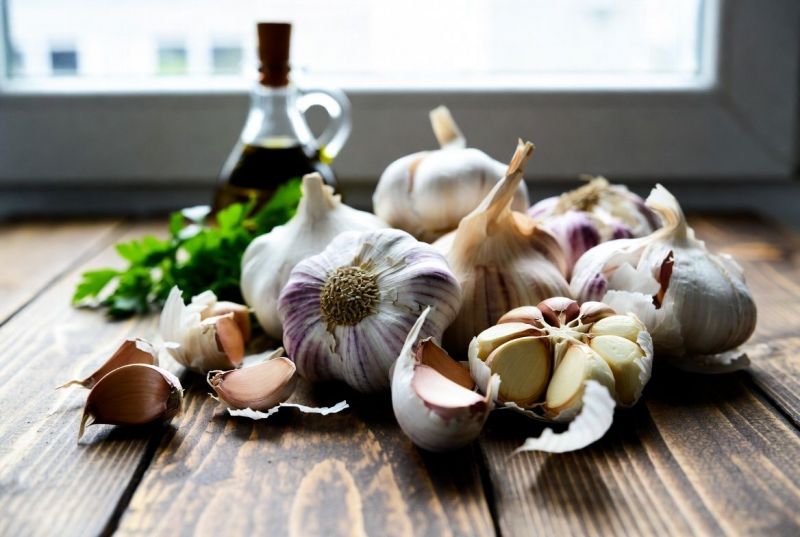
You might have heard that taking garlic first thing in the morning delivers extra benefits. In practice, raw garlic on an empty stomach frequently irritates the stomach lining. People report burning sensations, cramps, acid reflux, or nausea — especially if they already have sensitive digestion. The sulfur compounds in garlic are potent, and without food to buffer them, they can trigger exactly the discomfort you’re trying to avoid.
If you’ve ever felt that sudden stomach unease after a morning dose, this could be why. Pairing garlic with other foods helps protect your stomach while still letting you enjoy its taste.
Try this simple shift instead:
- Add crushed or chopped garlic to a full meal rather than eating it alone.
- Combine it with something soothing like yogurt, olive oil, or bread if you want it earlier in the day.
- Cooked garlic tends to be milder on the stomach than raw — consider roasting or lightly sautéing it.
The way you prepare it next can change everything about the experience.
Mistake 3: Swallowing Whole Cloves or Adding Garlic Straight to Hot Pans
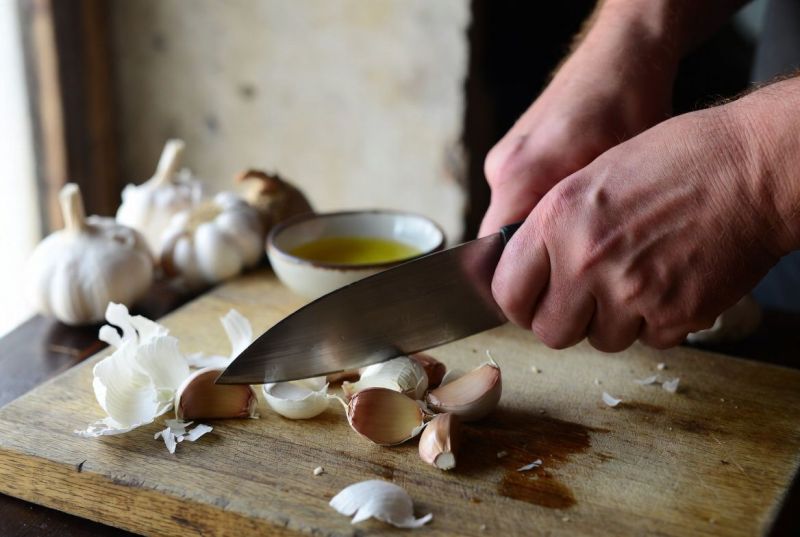
Here’s something most people don’t realize: the main active compound people associate with garlic — allicin — doesn’t exist in a whole, unbroken clove. It only forms after the clove is crushed, chopped, or minced and then left to sit for a short time. Studies on garlic chemistry show that the enzyme alliinase needs roughly 5–10 minutes at room temperature to convert alliin into allicin. Heat destroys that enzyme quickly, so tossing whole or barely cut garlic straight into a sizzling pan largely misses the mark.
Swallowing a whole clove or using jarred pre-minced garlic that’s been sitting in liquid often delivers far less of what makes garlic interesting in the first place.
Do this instead for better results:
- Peel and crush or finely mince the clove with a knife or garlic press.
- Let it rest on the cutting board for 5–10 minutes.
- Then add it to your dish — you can cook it lightly after the waiting period.
This small habit takes almost no extra time but makes a noticeable difference in potency and, for many, in how comfortably it sits with them.
Mistake 4: Combining Garlic with Blood-Thinning Medications
Garlic has natural properties that can slow blood clotting. When you’re already taking medications like aspirin, warfarin, or other anticoagulants, adding significant amounts of garlic (especially raw or in concentrated forms) may increase the risk of bruising or bleeding. Case reports and reviews from sources like the Linus Pauling Institute and Memorial Sloan Kettering have documented this interaction in certain situations.
You don’t have to give up garlic entirely, but it’s wise to be aware so you can stay safe.
Protect yourself with these steps:
- Tell your doctor or pharmacist about your regular garlic intake — even culinary amounts.
- Watch for signs like unusual bruising or prolonged bleeding from small cuts.
- If you’re preparing for surgery, many experts recommend stopping higher-dose garlic at least 7–10 days beforehand.
Your healthcare team can help you find the right balance.
Mistake 5: Not Considering Garlic’s Effect on Blood Pressure
Garlic can contribute to modest blood pressure lowering in some people. For those whose blood pressure already runs low, this effect might lead to lightheadedness, fatigue, or dizziness — symptoms that can interfere with daily activities and confidence when moving around.
If you monitor your blood pressure at home and notice it dropping after increasing garlic, this connection is worth exploring.
A practical approach:
- Keep a simple log of your blood pressure readings alongside what you eat.
- If you’re on blood pressure medication, discuss any garlic changes with your doctor.
- Start with smaller amounts and observe how you feel over a week or two.
Mistake 6: Eating Garlic While Dealing with Active Digestive Upset
When diarrhea or an upset stomach is already happening, adding garlic — particularly raw — can make things worse. Its stimulating effect on the intestinal lining may prolong discomfort or intensify symptoms for some people. This is one time when skipping it for a few days often feels better than pushing through.
What helps instead:
- Give your digestive system a short break from garlic during flare-ups.
- Focus on bland, easy-to-digest foods until things settle.
- Reintroduce garlic gradually once symptoms improve, starting with well-cooked forms.
Mistake 7: Overlooking How Garlic’s Warming Nature May Affect Liver Comfort in Traditional Views
In many traditional health systems, garlic is considered warming or “hot” in nature. For people who already experience what some describe as internal heat or liver sensitivity, larger amounts may feel aggravating rather than supportive. While Western research often explores garlic’s potential supportive role for liver health, individual responses vary widely.
If you have existing liver concerns, it makes sense to proceed thoughtfully.
A balanced way forward:
- Keep portions modest (one clove or less at a time).
- Pay attention to how your body feels after eating it.
- Discuss any significant dietary changes with your healthcare provider.
Mistake 8: Ignoring Sensitivity in Other Areas Like Eyes or Kidneys
Pungent, spicy foods like raw garlic can sometimes irritate mucous membranes or feel too stimulating for people with certain sensitivities. While direct evidence linking everyday eating of garlic to eye or kidney problems is limited, those who already notice irritation from strong foods often do better with moderation or cooked preparations.
Listen to your body:
- If you experience unusual irritation or discomfort after eating garlic, reduce the amount or switch to cooked versions.
- Stay hydrated and pair it with milder foods.
- When in doubt about ongoing symptoms, a quick conversation with a professional provides personalized clarity.
Mistake 9: Pairing Garlic with Heavy or Rich Foods That Increase Digestive Load
Combining garlic with particularly heavy meals (such as rich meats or large portions of fatty foods) can amplify digestive workload for some people. The result may be that familiar feeling of fullness or sluggishness that lingers longer than you’d like.
Lighten the load:
- Enjoy garlic with a variety of vegetables and lighter proteins on most days.
- If you love garlic with richer dishes, keep the portion of garlic smaller.
- Give yourself time between heavier meals to let your system recover.
Mistake 10: The Surprising Combination Many People Try: Garlic and Honey Together
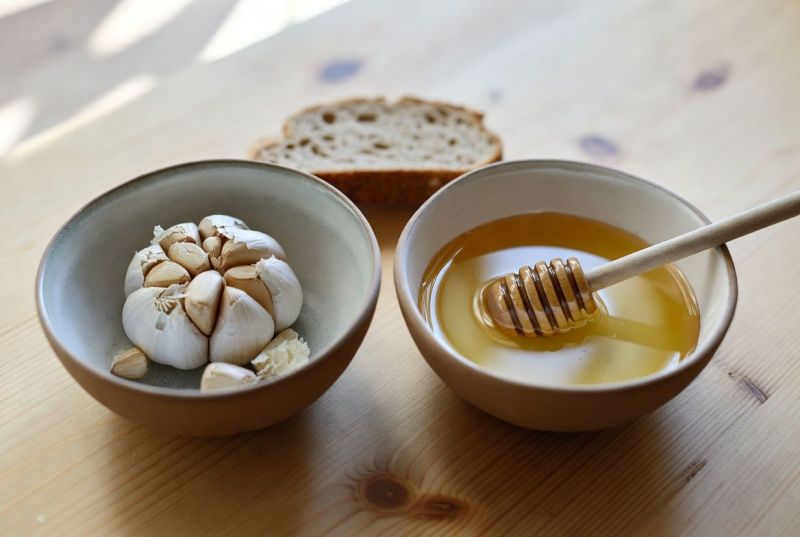
This is the one many overlook. Some traditional practices specifically advise against mixing garlic with honey, suggesting the combination may contribute to digestive upset or other imbalances in certain individuals. Modern evidence doesn’t label it as dangerous for everyone, but if you’ve noticed bloating, discomfort, or other issues after trying garlic honey remedies, separating them could be worth testing.
Honey itself is high in natural sugars, and garlic brings its own potent compounds — together they can sometimes feel like too much for sensitive systems.
A simple test:
- Try garlic in savory dishes and honey in tea or on toast at different times.
- Track how you feel for a few days with each approach.
- If the combination has been a habit, switching to separate use often brings noticeable relief.
Quick Comparison: Common Garlic Habits vs. Better Approaches
| Common Habit | Likely Result | Better Approach |
|---|---|---|
| Several cloves daily, raw | Gas, heartburn, odor | 1–2 cloves total, mostly cooked |
| Whole clove swallowed | Minimal active compounds formed | Crush, wait 5–10 minutes, then use |
| Raw on empty stomach | Stomach burning or nausea | Always with food |
| Large amounts with blood thinners | Increased bleeding risk | Check with doctor, monitor closely |
| Garlic + honey daily | Possible digestive discomfort | Use separately and observe |
Moving Forward with More Comfort at Every Meal
You don’t have to give up garlic to feel better — you just need to use it with a bit more intention. By watching portions, preparing it properly, timing it with meals, and being mindful of what you pair it with, most people can keep enjoying its flavor while reducing the chance of daily discomfort. Pick one or two changes from this list to try this week. Notice how your body responds, then build from there. Your meals can stay delicious and your daily routine more comfortable.
Frequently Asked Questions
How much garlic is generally considered safe for most people each day?
Most sources suggest one to two cloves per day as a reasonable culinary amount. Going well beyond that regularly raises the likelihood of digestive side effects. Individual tolerance varies, so start low and adjust based on how you feel.
If I take medications, should I stop eating garlic completely?
Not necessarily. Culinary amounts are often fine, but garlic can interact with blood thinners and some other drugs. The safest step is to mention your garlic habits to your doctor or pharmacist so they can give advice tailored to your specific medications and health situation.
Is cooked garlic easier on the stomach than raw?
Yes, for many people. Cooking reduces some of the harsh sulfur compounds that irritate the digestive tract. If raw garlic bothers you, try roasting whole bulbs or adding minced garlic toward the end of cooking.
Disclaimer: This article is for general informational purposes only and does not constitute medical advice. Garlic can interact with medications and may not suit everyone. Always consult a qualified healthcare professional before making changes to your diet, especially if you have existing health conditions or take prescription medications.