Many people want a more natural way to care for their body, especially when they are worried about blood sugar, fatty liver concerns, sluggish circulation, or rising blood pressure. The frustrating part is that the internet often turns simple plants into miracle promises, making it hard to know what is actually useful and what is exaggerated. The truth is more balanced: some leaves contain plant compounds that may support everyday wellness when used wisely, but they are not replacements for medical care. By the end of this guide, you will know four leaves worth learning about, how to use them safely, and the one mistake that can turn a healthy habit into a risky one.
Why Leaves Are Getting So Much Attention
Leaves are where many plants store powerful natural compounds. These include polyphenols, flavonoids, catechins, and other antioxidants.
That sounds technical, but here is the simple meaning.
These compounds help plants protect themselves from stress. When humans eat or drink them in reasonable amounts, they may support the body’s natural defenses against everyday oxidative stress and inflammation.
But that is not all.
Modern research has looked at certain leaves for their possible connection with blood sugar control, cholesterol balance, liver enzyme support, blood vessel function, and healthy blood pressure. The results are not magic, and they are not the same as medicine, but they are interesting enough to include in a thoughtful wellness routine.
The Safe Way to Think About Herbal Leaves
Before we talk about the four leaves, this point matters.
No leaf can diagnose, treat, or cure diabetes, cancer, fatty liver disease, poor circulation, or high blood pressure. These are serious health topics that need proper medical guidance.
A safer way to understand these leaves is this:
• They may support a healthier diet pattern
• They may provide antioxidants
• They may help replace sugary drinks
• They may encourage better hydration
• They may support heart and metabolic wellness when combined with balanced meals
• They should not replace prescribed medication
Here is the part many people miss.
Natural does not always mean harmless. Some herbal teas and extracts can interact with blood pressure medicine, diabetes medicine, blood thinners, liver conditions, pregnancy, surgery plans, and other medical situations.
 Leaf 1: Green Tea Leaves
Green tea comes from the Camellia sinensis plant. Unlike many herbal teas, green tea is a true tea, and it naturally contains caffeine.
The most discussed compounds in green tea are catechins, especially EGCG. These plant compounds have been studied for heart health, blood sugar markers, liver enzymes, and cancer risk. However, the evidence is mixed depending on the condition, the amount used, and whether people drink regular tea or take concentrated extracts.
Here is the practical takeaway.
Drinking plain green tea may be a smart swap if you usually drink soda, sweet bottled tea, or sugary coffee drinks. That alone can support better daily habits because it reduces added sugar.
Why Green Tea May Support Metabolic Wellness
Green tea may help in three everyday ways:
• It provides antioxidants that support normal cell protection
• It may support healthy cholesterol and blood sugar patterns as part of a balanced lifestyle
• It can replace higher calorie drinks that contribute to weight gain and metabolic stress
Sự thật là, the benefit is not only about what green tea adds. It is also about what it helps you remove.
If one cup of sweetened beverage is replaced with unsweetened green tea each day, that change can reduce added sugar without making the routine feel restrictive.
 How to Use Green Tea Safely
Start simple.
Drink one cup in the morning or early afternoon. Avoid drinking it late in the day if caffeine affects your sleep.
A gentle method:
- Heat water until hot, not aggressively boiling
- Steep green tea leaves for 2 to 3 minutes
- Drink it plain or with a slice of lemon
- Avoid adding sugar or sweet condensed milk
- Keep it moderate
Đây là phần thú vị nhất.
Regular brewed green tea is very different from high dose green tea extract supplements. Concentrated extracts have been linked to rare liver safety concerns in some reports, so people with liver problems should be especially careful and talk to a clinician before using capsules or strong extracts.
Leaf 2: Olive Leaves
Olive leaves come from the same tree that gives us olives and olive oil. They contain oleuropein, a plant compound often discussed for antioxidant and heart wellness support.
Olive leaf extract has been studied for blood pressure and cardiovascular risk markers. Some studies suggest possible support for systolic blood pressure and triglycerides, while other trials show less impressive results.
That means we should stay balanced.
Olive leaf is not a blood pressure treatment. But it may be a useful plant to know about for people who are building a heart supportive lifestyle.
 Why Olive Leaves Are Linked to Circulation and Blood Pressure
Healthy circulation depends on flexible blood vessels, balanced blood pressure, normal cholesterol levels, movement, hydration, and a diet rich in plant foods.
Olive leaves may support this bigger picture because they contain antioxidants that may help protect blood vessels from oxidative stress.
But remember this.
If someone has high blood pressure, the foundation still matters most:
• Regular blood pressure checks
• Less excess sodium
• More potassium rich whole foods if medically appropriate
• Daily walking or light movement
• Enough sleep
• Stress management
• Medication when prescribed
Olive leaves belong in the support category, not the replacement category.
How to Use Olive Leaves Safely
Olive leaf is often used as tea or extract. For a gentle home routine, tea is usually the less intense option.
A simple tea method:
- Use dried olive leaves from a trusted food grade source
- Rinse briefly if needed
- Steep in hot water for 5 to 10 minutes
- Start with a small amount
- Avoid combining with multiple strong herbal products at once
Nhưng đó chưa phải là tất cả.
People taking blood pressure medicine, diabetes medicine, or blood thinners should ask a healthcare professional before using olive leaf extract regularly, because it may affect blood pressure or blood sugar in some people.
Leaf 3: Moringa Leaves
Moringa leaves are nutrient dense and widely used in many cultures as food. They can be eaten fresh, dried into powder, or used in soups, stews, smoothies, and teas.
Moringa contains vitamins, minerals, fiber, and plant antioxidants. It has been studied for blood sugar, blood pressure, inflammation, and metabolic health, but human evidence is still developing.
This is important.
Moringa as a food is different from moringa as a high dose supplement. A spoonful of moringa powder in a meal is not the same as taking large capsules every day.
Why Moringa Is Popular for Blood Sugar and Energy
Moringa leaves may support metabolic wellness because they add nutrients and plant compounds without adding much sugar.
For people who struggle with afternoon cravings, moringa can be used in a balanced meal or drink that includes protein, fiber, and healthy fats.
For example:
• Moringa powder stirred into vegetable soup
• Moringa leaves cooked with eggs or beans
• Moringa tea paired with a protein rich breakfast
• Moringa powder blended into an unsweetened smoothie with chia seeds and Greek yogurt
Here is the key.
Moringa works best as part of a meal pattern, not as a quick fix.
How to Use Moringa Safely
Start with food amounts. If using powder, begin with a small serving and see how your body responds.
A gentle routine:
- Use 1 small teaspoon of moringa powder
- Add it to soup, oatmeal, or a smoothie
- Avoid adding sugar
- Do not use it as a replacement for medication
- Pause before surgery unless your doctor says otherwise
People who are pregnant, breastfeeding, taking medication for blood sugar, or managing chronic disease should ask a clinician before using moringa supplements.
Leaf 4: Guava Leaves
Guava leaves are commonly used as tea in many traditional routines. They contain polyphenols and other plant compounds that have been studied for digestion, blood sugar response after meals, and metabolic health.
Some research has explored guava leaf tea and post meal blood sugar. The idea is that certain compounds in guava leaves may slow carbohydrate breakdown, which could influence how quickly blood sugar rises after eating.
But let’s be clear.
This does not mean guava leaf tea is a diabetes treatment. It simply means the leaf has been studied for possible support in how the body handles meals.
Why Guava Leaf Tea May Be Useful After Meals
Many people do not realize that what they drink after meals can affect their health routine.
A sugary drink after dinner can add extra glucose load. A plain herbal tea, such as guava leaf tea, may be a better choice because it is naturally low in calories when unsweetened.
That is the practical benefit most people can use right away.
Instead of thinking, “This leaf will fix my blood sugar,” think, “This tea can help me replace a sugary habit.”
How to Prepare Guava Leaf Tea
Use clean, food safe guava leaves. Fresh leaves should be washed well. Dried leaves should come from a trusted source.
Simple method:
- Add a few clean guava leaves to hot water
- Steep for 5 to 10 minutes
- Strain before drinking
- Drink without sugar
- Start with a small cup
The best timing is after a meal or in the evening when you want something warm without calories.
A Simple Comparison of the Four Leaves
Green tea leaves are best known for catechins and may support heart and metabolic wellness. They contain caffeine, so timing matters.
Olive leaves are best known for oleuropein and are often discussed for blood vessel and blood pressure support. People on blood pressure medicine should be cautious.
Moringa leaves are best known as nutrient rich food leaves. They may support a healthier diet pattern, especially when used in meals instead of sugary snacks.
Guava leaves are often used as herbal tea after meals. They may help replace sweet drinks and have been studied for post meal blood sugar response.
Nhưng đây mới là điều quan trọng nhất.
The strongest results do not come from one leaf. They come from the routine around the leaf.
The 7 Day Leaf Routine for Beginners
If you want to try these leaves safely, do not start all four at once. That makes it hard to know what your body likes and what it does not.
Use this simple 7 day routine.
Day 1 and Day 2: Replace one sugary drink with plain green tea in the morning.
Day 3: Try guava leaf tea after lunch or dinner.
Day 4: Add a small amount of moringa powder to soup or a smoothie.
Day 5: Try olive leaf tea, but skip it if you take blood pressure medicine unless your clinician approves.
Day 6: Choose the one leaf that felt easiest and repeat it.
Day 7: Review how your body feels. Notice sleep, digestion, energy, cravings, and comfort.
This is not about forcing a trend.
It is about finding one simple habit you can keep.
The Biggest Mistake People Make With Herbal Leaves
The biggest mistake is using leaves like medicine without medical guidance.
Some people hear that a plant is “powerful” and immediately take strong extracts, capsules, concentrated powders, and multiple teas in the same day. That is not smarter. It can be riskier.
A safer rule is this:
Choose one leaf. Use a food level amount. Keep it unsweetened. Watch your body. Talk to your doctor if you take medication.
Đây là phần mà nhiều người bỏ qua.
The goal is not to avoid pills at all costs. The goal is to build a lifestyle that supports your health while respecting medical care when you need it.
Who Should Be More Careful
Some people should not start herbal routines casually.
Be extra cautious if you:
• Take medication for diabetes
• Take medication for blood pressure
• Use blood thinners
• Have liver disease or abnormal liver enzymes
• Are pregnant or breastfeeding
• Are preparing for surgery
• Have kidney disease
• Have a history of allergic reactions to herbs
• Are already taking several supplements
If any of these apply, ask a healthcare professional before making herbal leaves part of your daily routine.
How to Make These Leaves More Effective Without Exaggeration
Leaves are only one small piece of the wellness puzzle. To get more value from them, pair them with habits that have stronger evidence.
Try this simple formula:
• Drink the tea without sugar
• Walk 10 to 15 minutes after meals
• Eat more vegetables and beans
• Choose whole grains instead of refined snacks
• Sleep at consistent times
• Reduce ultra processed foods
• Check blood pressure and blood sugar if advised by your doctor
The truth is, a cup of tea cannot outwork a poor lifestyle.
But a cup of tea can become the reminder that helps you make better choices throughout the day.
A Gentle Daily Plan
Morning: Drink plain green tea or warm water.
Lunch: Add greens, beans, fish, eggs, tofu, or lean protein to your meal.
After lunch: Walk for 10 minutes if possible.
Afternoon: Use moringa in food if you enjoy the taste.
Dinner: Keep the plate lighter, with vegetables and protein.
After dinner: Try guava leaf tea without sugar.
Occasional use: Olive leaf tea can be considered if it fits your health situation and your clinician says it is safe for you.
This plan is simple, but that is why it works.
Conclusion
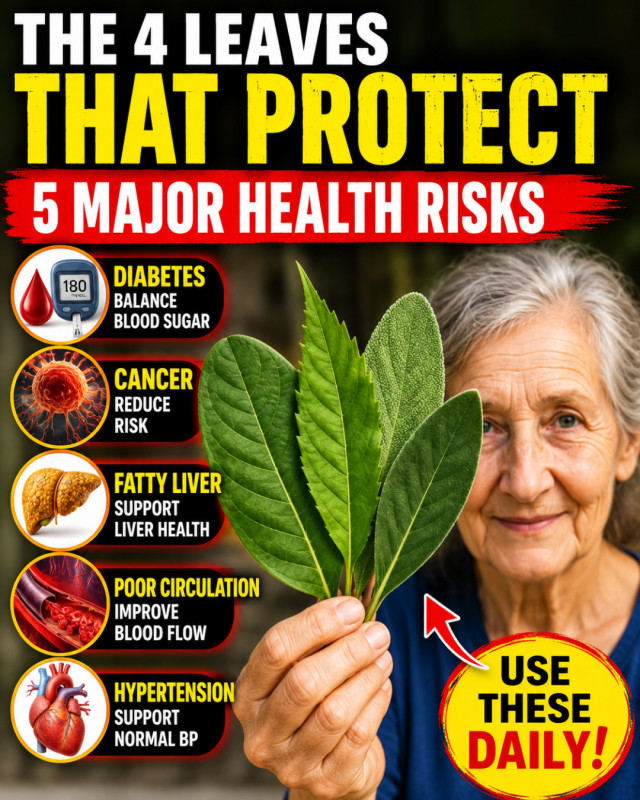
Four leaves worth knowing are green tea leaves, olive leaves, moringa leaves, and guava leaves. Each one contains plant compounds that have been studied for different parts of metabolic and heart wellness, including blood sugar patterns, liver markers, circulation, and blood pressure.
But they should be used with realistic expectations.
They are not cures. They are not replacements for prescribed treatment. They are not magic shortcuts. Their real value comes from helping you build a healthier daily routine with less sugar, more plant compounds, better hydration, and more mindful choices.
The most surprising secret is this: the best leaf is not always the strongest one. It is the one you can use safely, consistently, and without turning it into another extreme health trend.
FAQ
Can these leaves replace diabetes or blood pressure medication?
No. These leaves should not replace medication. If you have diabetes, high blood pressure, fatty liver disease, circulation problems, or any serious health condition, follow your healthcare provider’s guidance.
Which leaf is best to start with?
Green tea is often the easiest place to start because it is widely available and simple to prepare. If you are sensitive to caffeine, guava leaf tea may be a gentler option.
Is it safe to drink all four leaf teas every day?
It is better not to start all four at once. Begin with one, use a small amount, and watch how your body responds. People taking medication or managing chronic conditions should speak with a healthcare professional first.
Medical disclaimer: This article is for general educational purposes only and should not be used as medical advice, diagnosis, or treatment. Always consult a qualified healthcare professional before changing your diet, supplement routine, or medication plan.