As men move into their 40s and beyond, many start to notice subtle shifts in energy levels and overall how they feel day to day, prompting a closer look at what they eat and how it supports their body. Concerns about getting enough of the right nutrients, maintaining a balanced diet that keeps up with an active life, and supporting natural processes without relying on quick fixes can weigh on the mind. Pumpkin seeds have caught the attention of many in this age group because they deliver healthy fats and important minerals in a convenient, tasty package that fits easily into everyday meals. But the way these small seeds contribute to a well-rounded approach to nutrition is worth exploring in more detail.
 The Nutrient Profile That Makes Pumpkin Seeds Stand Out
Pumpkin seeds bring together several key components that many men over 40 find valuable when building a balanced diet. A single ounce provides a solid amount of plant-based protein, fiber, and a mix of healthy fats that can help promote feelings of fullness between meals. For those who worry that their current eating habits might be missing important building blocks for sustained vitality, adding pumpkin seeds offers a straightforward way to increase nutrient intake without overhauling the entire menu.
The healthy fats in pumpkin seeds are primarily unsaturated, the kind that fit well into heart-conscious eating patterns. These fats work alongside other nutrients to support overall wellness, and for men who are mindful of keeping their diet varied and satisfying, they add both flavor and substance. Research into dietary fats continues to highlight the benefits of including quality sources like those found in seeds as part of a balanced approach.
What often surprises people is the mineral content. Pumpkin seeds are notably rich in magnesium and zinc. Magnesium plays a role in energy production and muscle function, areas that can become more noticeable as years go by. Zinc, meanwhile, is involved in numerous bodily processes, including immune support and reproductive health. Many men over 40 pay attention to these minerals because they are aware that consistent intake through food sources contributes to long-term well-being.
But that’s not all that pumpkin seeds bring to the table. They also contain antioxidants and other plant compounds that add to their appeal as a nutrient-dense snack or ingredient. When you’re looking for simple upgrades that address common concerns about diet quality without adding complexity, pumpkin seeds check several boxes at once.
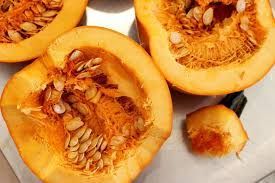
Key nutrients commonly highlighted in pumpkin seeds include:
- Zinc, which supports immune function and plays a role in reproductive health
- Magnesium, linked to energy metabolism and muscle relaxation
- Healthy unsaturated fats that contribute to satiety and overall dietary balance
- Plant protein and fiber that help with feeling satisfied after eating
 Supporting Everyday Wellness With Pumpkin Seeds as Part of Your Routine
For men over 40 who are focused on maintaining steady energy and feeling their best during daily activities, the combination of nutrients in pumpkin seeds can be a helpful addition to a balanced diet. The magnesium content, for example, is linked in nutritional science to supporting normal energy metabolism and relaxation, which many find useful when juggling work, family, and personal health goals.
If you’ve ever felt that your diet could use more of the minerals that help the body function smoothly, pumpkin seeds provide one tasty option to consider. Studies have shown that adequate magnesium intake is associated with various aspects of physical comfort and performance, making it a mineral worth prioritizing through whole foods.
The truth is, small dietary choices like including pumpkin seeds regularly can contribute to a sense of taking proactive steps toward better nutrition. While no single food can restore youthful testosterone levels, the zinc and other nutrients in pumpkin seeds support the body’s natural processes in meaningful ways. Experts often note that addressing potential nutrient gaps through diet is a foundational part of overall health strategies for men in this age group.
Here’s the interesting part: because pumpkin seeds are versatile, they don’t require special preparation or expensive equipment to enjoy. This accessibility makes them practical for busy schedules where time for complicated recipes is limited. Many men find that keeping a supply on hand helps them stay consistent with their nutrition goals without stress.
 Easy Ways to Include Pumpkin Seeds in a Balanced Daily Diet
One of the best things about pumpkin seeds is how effortlessly they integrate into meals and snacks you already enjoy. For men over 40 looking to boost the nutritional value of their plate without drastic changes, these seeds offer flexibility that fits real life.
Consider starting with a small handful as an afternoon snack. This simple habit can help bridge the gap between lunch and dinner while delivering healthy fats and minerals that support satiety. If you prefer something more structured, try sprinkling pumpkin seeds over morning oatmeal or yogurt. The crunch and nutty flavor add interest to familiar foods, making it easier to stick with better eating patterns over time.
Another practical approach is adding them to salads or roasted vegetables at dinner. Pumpkin seeds not only enhance texture but also increase the overall nutrient density of the meal. For those concerned about getting enough variety in their diet, this is an easy win that doesn’t require learning new cooking techniques.
You can also blend pumpkin seeds into smoothies for a subtle thickness and extra nutrition, or mix them into homemade trail mix with dried fruit and a few dark chocolate pieces for a satisfying treat. The key is consistency rather than perfection. When men over 40 make these kinds of small, repeatable additions, they often report feeling more confident about their daily nutrition.
But that’s not the only benefit of keeping pumpkin seeds in rotation. Their long shelf life in a sealed container means you can buy in bulk or keep a jar ready without worry about quick spoilage. This practicality aligns well with the goal of building sustainable habits that support long-term wellness.
 Practical Tips for Adding Pumpkin Seeds to Your Meals
To get started with pumpkin seeds in a way that feels manageable, here are some straightforward ideas:
- Keep a small jar of roasted, unsalted pumpkin seeds in the pantry for quick access throughout the week.
- Sprinkle one to two tablespoons over salads, soups, or grain bowls to add crunch and nutrients.
- Mix them into Greek yogurt with a drizzle of honey and berries for a balanced snack.
- Blend a tablespoon into your post-workout smoothie for extra protein and minerals.
- Roast your own with a light sprinkle of spices like cumin or paprika for variety in flavor.
These steps require minimal time and can be adjusted based on personal taste preferences. The goal is to find enjoyable ways to include them regularly so the benefits of their healthy fats and minerals become part of your normal routine.
 What Research Suggests About Pumpkin Seeds and Men’s Health
Nutritional research has examined pumpkin seeds from various angles, particularly in relation to the minerals they provide and how they fit into diets aimed at supporting wellness in midlife and beyond. For instance, zinc from food sources like pumpkin seeds is recognized for its role in supporting reproductive health and immune function, areas that many men over 40 monitor as part of their overall health picture.
In one notable study involving a large group of men experiencing certain prostate-related symptoms, participants who consumed pumpkin seeds over a 12-month period showed improvements in their reported comfort levels compared to those on placebo. While more research is always valuable, findings like these contribute to the growing interest in pumpkin seeds as a food that may support aspects of men’s health through regular dietary inclusion.
The truth is, the benefits of pumpkin seeds come from their whole-food matrix of fats, minerals, and other compounds working together. This is why focusing on a balanced diet that includes a variety of nutrient-rich foods remains the recommended approach by health professionals. Pumpkin seeds can be one valuable piece of that larger puzzle.
 A Few Things to Keep in Mind When Enjoying Pumpkin Seeds
While pumpkin seeds are generally well-tolerated and fit nicely into most balanced diets, there are a few practical considerations for men over 40. Because they are calorie-dense, paying attention to portion sizes helps maintain overall energy balance, especially if weight management is a goal. A typical serving of about one ounce provides substantial nutrients without excessive calories when kept in check.
Some individuals may have sensitivities or allergies to seeds, so introducing them gradually is wise if you’re trying them for the first time. Additionally, if you have specific health conditions or take medications, checking with a healthcare provider before making significant dietary changes is always a smart step. They can offer personalized guidance based on your individual situation.
Pumpkin seeds are available roasted or raw, salted or unsalted. Opting for unsalted or lightly seasoned versions allows better control over sodium intake, which many men in this age group are mindful of for heart health reasons. Storing them in a cool, dry place keeps them fresh for months.
Wrapping Up: Small Seeds, Steady Habits
Pumpkin seeds represent a simple, evidence-informed addition to a balanced diet for men over 40 who are looking to increase their intake of healthy fats and essential minerals. By incorporating them thoughtfully, many find it easier to address common nutritional gaps while enjoying the process. Remember that sustainable wellness comes from consistent, varied choices rather than any one food. Pairing pumpkin seeds with other whole foods, regular movement, and good sleep habits creates a strong foundation. As always, listen to your body and consult professionals for advice tailored to you.
Frequently Asked Questions
How many pumpkin seeds should I eat each day?
Most experts suggest a serving of about one ounce, or roughly a small handful, as a good starting point. This amount delivers meaningful nutrients without adding too many calories. You can adjust based on your overall diet and activity level.
Can pumpkin seeds help with testosterone levels?
No single food can restore youthful testosterone levels. However, pumpkin seeds provide zinc and magnesium, minerals that play supportive roles in the body’s natural hormone production processes. Maintaining adequate levels of these nutrients through diet is one part of a broader approach to wellness.
Are pumpkin seeds beneficial for prostate health?
Some research has explored pumpkin seeds in relation to prostate comfort and urinary symptoms in men. While results vary and more studies are needed, they can be part of a diet focused on overall men’s health when included as part of a balanced eating pattern. Individual responses differ, and professional medical advice is recommended for specific concerns.
Disclaimer: This article is for informational and educational purposes only. It is not intended as medical advice, diagnosis, or treatment. Always consult with a qualified healthcare provider before starting any new diet, supplement, or lifestyle changes, particularly if you have pre-existing health conditions, are taking medications, or have specific health concerns. The content reflects general nutritional information and research summaries available at the time of writing but should not replace personalized professional guidance. No food, including pumpkin seeds, can diagnose, treat, cure, or prevent any disease or medical condition.