You’ve probably felt it — that nagging worry during a family meal, a chat with friends, or even a quiet moment with loved ones. You brush carefully, floss daily, and use mouthwash, yet a stubborn odor still seems to linger in the back of your throat. It can make you second-guess close conversations or turn your head at just the wrong moment, quietly affecting how confident you feel in everyday situations. The frustration builds because the usual steps aren’t delivering the fresh feeling you expect. What if the real source sits deeper than your teeth and tongue, in a spot most routines never reach? By the end of this article, you’ll understand why this happens for so many people and discover practical daily habits that support a cleaner, fresher sensation — habits that go beyond the basics.
Why Standard Oral Care Sometimes Falls Short
Most of us learn early that brushing twice a day, flossing, and rinsing should handle bad breath. These steps work well for food particles and plaque on the teeth and tongue. Yet breath can still smell off hours later, even after a thorough cleaning. The reason often comes down to location. Bacteria thrive in warm, moist areas where debris collects and stays undisturbed. When that happens deeper in the throat, surface cleaning alone may not reach it effectively.
Think about how saliva naturally rinses the mouth. As years pass, many adults notice their mouth feels drier — sometimes from medications, mouth breathing during sleep, or natural shifts in saliva flow. Less saliva means less natural cleaning, so tiny bits of food, dead cells, and mucus have more time to settle. This creates the perfect environment for odor-producing bacteria to settle in and multiply quietly.
The encouraging news is that once you understand where the problem often hides, you can add targeted steps that many people find genuinely helpful. Small adjustments in routine often bring noticeable improvements in how the mouth feels throughout the day.
The Less Discussed Source of Persistent Odor

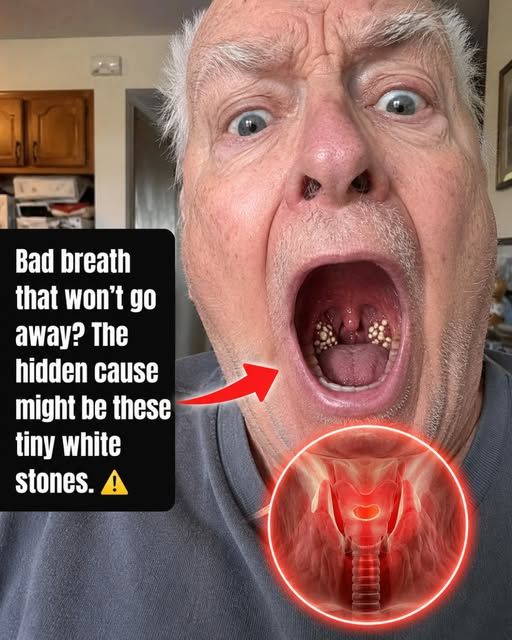
At the back of the throat sit two small pads of tissue called the tonsils. Their surfaces contain natural crevices and pockets known as tonsillar crypts. These pockets can trap microscopic debris — bits of food, mucus from the nose or sinuses, shed cells, and bacteria. Over time, minerals such as calcium can harden around this material, forming small, pebble-like collections.
Healthcare professionals commonly refer to these as tonsil stones or tonsilloliths. They often appear white or yellowish when visible and can range from tiny specks to slightly larger formations. According to the Cleveland Clinic, the most common symptom linked to them is bad breath. The bacteria living on and inside these collections break down the trapped material and release compounds with a strong, unpleasant smell — frequently compared to sulfur or rotten eggs.
What surprises many people is how long these can remain without obvious signs. Some stay small and eventually dislodge on their own during swallowing or coughing. Others sit deeper and release odor gradually, especially when disturbed by eating or talking. Because they sit behind the visible part of the mouth, regular toothbrushing rarely disturbs them directly. This explains why breath can stay problematic despite excellent surface hygiene.
Clinical observations note that these formations are quite common and usually harmless. Many adults carry them without realizing it until breath becomes a consistent concern. The key is recognizing that the odor often originates from bacterial activity in this specific area rather than from the teeth alone.
How Bacteria Turn Trapped Debris Into Lingering Smell
The process is straightforward once you see it clearly. Debris collects in the tonsil crevices. Bacteria that naturally live in the mouth move in and begin breaking down proteins and other substances in that trapped material. As they do, they produce volatile sulfur compounds — the same family of gases responsible for many cases of persistent halitosis.
These compounds do not wash away easily with normal saliva or surface rinsing. They can linger on the breath for hours, returning even after mints or gum. The smell often feels worse in the morning or after long periods without eating or drinking, when saliva flow is naturally lower.
Post-nasal drip can make the situation more noticeable. Mucus draining from the sinuses or nose adds extra material that can collect in the same crevices. Allergies, seasonal changes, or even mild sinus irritation — common for many adults — can increase this drainage and feed the cycle. The combination of reduced saliva and extra mucus creates conditions where odor builds more readily.
Factors That Make This Buildup More Likely
Several everyday elements can increase the chance of debris collecting and hardening in the throat area. Understanding them helps you make informed choices:
- Drier mouth conditions: Certain medications for blood pressure, allergies, or mood support can reduce saliva. Less rinsing action allows particles to stay longer.
- Post-nasal drainage: Ongoing sinus sensitivity or allergies send extra mucus backward, adding to what gets trapped.
- Inconsistent or rushed hygiene: Skipping tongue cleaning or rushing flossing leaves more material available to migrate backward.
- Tobacco use or frequent alcohol: Both dry the mouth and can irritate throat tissues, making crypts more likely to collect debris.
- Diet patterns: Frequent dairy or very sticky, sugary foods can increase mucus production or feed bacteria for some people.
- History of throat irritation: Repeated colds or throat inflammation can enlarge the crypts slightly, creating more space for material to settle.
The longer these factors continue without any adjustment, the more opportunity buildup has to become a recurring pattern. The good news is that most of these are within daily control once you know where to focus.
Practical Daily Habits That Support Fresher Breath

Small, consistent actions often make the biggest difference when the source sits in the throat crevices. Here is a straightforward routine many adults find manageable and effective over time.
- Strengthen your complete oral hygiene sequence
Brush for two full minutes twice daily, angling the bristles toward the back teeth and gently across the tongue surface. Floss once a day to remove particles between teeth before they can travel. Finish with a gentle alcohol-free rinse if it feels comfortable. These steps reduce the overall bacterial load in the mouth so less material reaches the throat area. - Add a warm saltwater gargle
Mix half a teaspoon of salt in a cup of warm water. Take a mouthful, tilt your head back slightly, and gargle for 20–30 seconds, letting the solution reach the back of the throat. Do this two or three times daily — after meals and before bed works well for many. The salt helps draw out moisture from tissues and can loosen small particles gently. Clinical sources such as Mayo Clinic guidance note that regular saltwater rinsing often helps keep the area clearer and reduces odor. - Prioritize steady hydration throughout the day
Sip water regularly rather than large amounts at once. Aim to keep the mouth moist, especially if you take medications that tend to dry it. Carrying a water bottle and setting gentle reminders can turn this into an easy habit. Better hydration supports natural saliva flow, which helps rinse debris before it settles. - Be mindful of mucus-producing triggers
If you notice dairy or certain foods seem to increase throat clearing or thickness, experiment with moderating them for a week or two and observe how your breath feels. Everyone responds differently, so personal tracking often reveals useful patterns. - Protect saliva production where possible
If mouth breathing at night is an issue, a simple nasal strip or addressing seasonal allergies with your doctor may help. Chewing sugar-free gum during the day can stimulate saliva for short periods when needed. - Schedule regular professional check-ins
See your dentist or dental hygienist at least twice a year. They can spot early signs of buildup or irritation and offer personalized suggestions. If throat discomfort or visible white spots persist, an ENT evaluation provides peace of mind and rules out other possibilities.
These steps work together. Surface cleaning reduces what enters the system, while targeted rinsing and hydration address the deeper crevices directly. Most people notice gradual improvement within a couple of weeks of consistent effort rather than overnight change.
When It Makes Sense to Seek Professional Guidance

Persistent breath concerns deserve attention, especially when they affect daily comfort or social ease. If you notice white or yellowish spots at the back of the throat, a frequent feeling of something stuck, ongoing sore throat, or cough that does not settle, it is wise to have a healthcare provider take a look. Large or frequently recurring formations sometimes benefit from professional removal techniques that are safe and effective.
Never attempt to dig or scrape with sharp objects or excessive force. The tissue in that area is delicate, and injury can lead to more irritation or infection risk. Gentle methods and professional care are always the safer path.
Remember, these formations are common and rarely indicate anything serious. Still, getting a clear assessment removes uncertainty and lets you focus on the habits that support long-term freshness.
Building Confidence Through Consistent Care
The hidden buildup in the throat area explains why so many dedicated routines still fall short. Once you add gentle rinsing, steady hydration, and full-mouth attention, the environment becomes less welcoming to odor-causing collections. Many adults report feeling more at ease in conversations and meals after making these adjustments part of their normal day.
Change does not require extreme measures — just steady, informed attention to the spots regular brushing misses. You are already taking the important step of learning more, which puts you ahead of most people still wondering why their breath will not cooperate.
Frequently Asked Questions
Can these small throat formations cause issues beyond bad breath?
They are most often linked to odor, though some people also notice mild irritation, a sensation of something present, or occasional throat clearing. They rarely lead to serious problems and frequently stay small or dislodge naturally with good care.
Will better brushing and flossing alone solve the problem?
Thorough surface cleaning helps reduce overall bacteria and debris, but because the collections form in deeper crevices, adding targeted warm saltwater gargling and hydration usually provides more complete support for this particular source.
Is it common to have these formations, or does it mean something is wrong?
They are quite common across adults of all ages. Many people carry small ones without symptoms until breath becomes noticeable. Exploring this possibility alongside other factors simply gives you a fuller picture rather than indicating any underlying illness.
This article is for informational purposes only and does not replace personalized medical advice. Always consult your doctor, dentist, or other qualified healthcare professional with questions about your individual health situation.