As we move into our 60s and beyond, the gradual loss of muscle becomes a real concern that affects strength, mobility, and independence. Many people turn to protein powders hoping for a convenient solution, but often feel frustrated by the cost, digestive discomfort, or lack of satisfying results. Research has explored how whole foods like eggs can provide high-quality protein along with other nutrients that support muscle health in a more complete way. The interesting part is that eggs offer benefits that go beyond just protein alone.

 Why Eggs Stand Out for Muscle Health After 60
Eggs are one of the highest quality protein sources available because they contain all nine essential amino acids in the right proportions. The leucine found in eggs plays a particularly important role in triggering muscle protein synthesis, the process your body uses to build and repair muscle. For people over 60 who want to maintain strength and stay active, this makes eggs a practical food to include regularly.
Unlike many protein powders that isolate just protein, eggs come with additional nutrients such as vitamin D, choline, and healthy fats that support overall health. These extra nutrients work together with the protein to create a more complete package for muscle maintenance. Many people over 60 find that eggs are easier on digestion and more satisfying than shakes, which helps them stick with better eating habits long term.

How Eggs Compare to Protein Powder for Muscle Support
Protein powders can be convenient, but they often lack the full range of nutrients found in whole foods. Eggs provide protein in a natural matrix along with vitamins, minerals, and healthy fats that may enhance absorption and utilization. Research suggests that whole food sources of protein like eggs can be just as effective — and sometimes more effective — than isolated protein supplements for supporting muscle when total daily protein intake is adequate.
Another advantage is satiety. Eating eggs tends to keep you feeling full longer than drinking a protein shake. This can help with maintaining a healthy weight while still getting the protein needed for muscle preservation. For people over 60 who may struggle with appetite or want to avoid unnecessary additives, eggs offer a simple, recognizable food without the processing found in many supplements.
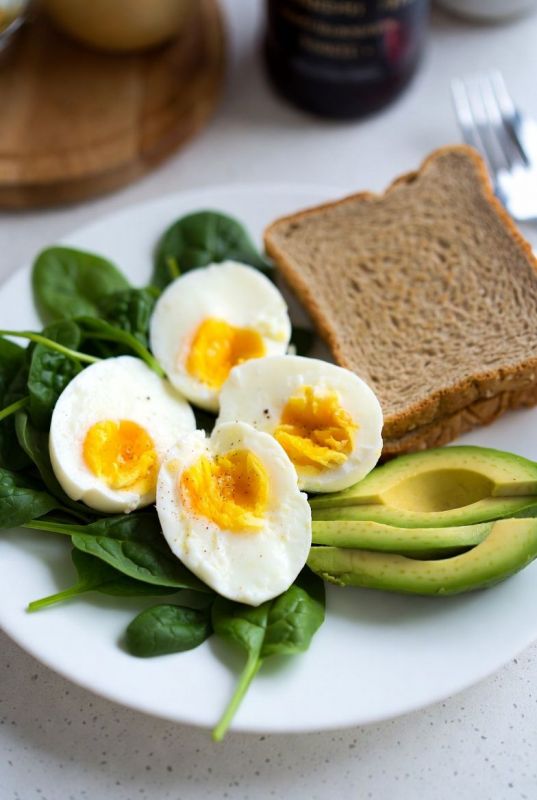
The Best Ways to Eat Eggs for Muscle Health
How you prepare and combine eggs matters. Here are practical approaches that maximize their benefits:
- Eat 2–3 eggs most days as part of balanced meals
- Pair eggs with vegetables and whole grains for a complete, satisfying meal
- Include eggs around physical activity when possible to support muscle recovery
- Choose pasture-raised or omega-3 enriched eggs when available for additional nutrients
- Combine eggs with other protein sources like Greek yogurt, fish, or lean meat throughout the day
These simple habits help ensure you get steady support for muscle maintenance without relying on supplements.

Easy Egg-Based Meals That Support Muscle Health
Here are straightforward ways to include more eggs in your routine:
- Veggie-packed omelets or scrambled eggs with spinach, tomatoes, and peppers
- Hard-boiled eggs added to salads or eaten as a snack with fruit and nuts
- Poached eggs on whole grain toast with avocado
- Egg and vegetable stir-fries or frittatas for quick dinners
- Greek yogurt parfaits with boiled eggs on the side for extra protein
These meals are quick to prepare, affordable, and far more enjoyable than most protein shakes for many people.

Important Considerations When Adding More Eggs
While eggs are nutritious for most people, individual responses vary. Some older adults may need to watch cholesterol intake depending on their overall diet and health conditions. It is always wise to speak with your doctor or a registered dietitian before making significant changes, especially if you have existing health concerns.
Quality also matters. Choosing good quality eggs and preparing them in healthy ways (rather than deep frying) helps you get the maximum benefit. Combining eggs with strength training or regular movement provides even better support for maintaining muscle as you age.

 Frequently Asked Questions About Eggs and Muscle Health
How many eggs should someone over 60 eat per day?
Most healthy adults can safely enjoy 2–3 eggs daily as part of a varied diet. The exact amount depends on your overall protein needs, activity level, and any health conditions. A healthcare professional can help determine what works best for you.
Are eggs better than protein powder for building muscle?
Eggs provide high-quality protein along with additional nutrients in a whole food form. Research suggests whole food proteins can be very effective for muscle support, and many people find them more satisfying and easier to digest than powders.
What is the best time of day to eat eggs for muscle health?
Eating eggs as part of balanced meals throughout the day works well. Including them around periods of activity or as part of breakfast and lunch can help distribute protein intake evenly, which research suggests is beneficial for muscle maintenance.
 A Simple, Natural Approach to Supporting Muscle as You Age
Eggs offer a practical, affordable, and nutrient-rich way to support muscle health without relying on protein powders. By including eggs regularly as part of balanced meals and staying physically active, many people over 60 find they can better maintain strength and independence. The key is consistency and combining good nutrition with movement. Eggs are a simple food that has stood the test of time for good reason.
Disclaimer: This article is for general informational and educational purposes only. It is not intended as medical, nutritional, or fitness advice. Always consult your physician or a qualified healthcare professional before making changes to your diet or exercise routine, especially if you have existing health conditions or concerns about muscle loss. Individual needs and responses vary.