Blurry, tired, or strained eyes can make everyday life feel harder, especially when reading, driving, working on screens, or noticing vision changes with age. Many people immediately search for a quick natural fix, but the eyes and retina need steady support, not exaggerated promises. The good news is that one tiny seed, chia seed, can be part of a simple daily habit that supports overall nutrition connected to eye health. But the most important part is not just eating it daily, it is knowing how to use it safely and what to combine it with for better results later in this article.
Why Eye Health Needs Daily Nutritional Support
Your eyes are active all day. They deal with light, screen glare, dryness, air conditioning, sunlight, reading, and natural aging. Over time, this can leave many people feeling like their eyes are not as fresh or comfortable as before.
The retina, the light sensitive layer at the back of the eye, is especially important. It helps receive light signals and send visual information to the brain. Because of this, it depends on good blood flow, healthy fats, antioxidants, and a balanced diet.
But here is the truth.
No single food can sharpen vision overnight or repair eye problems by itself. However, certain foods may support the body in ways that are helpful for long term eye wellness. Chia seeds are one of those foods because they contain plant based omega 3 fats, fiber, minerals, and antioxidants.
What Makes Chia Seeds Interesting for Eye Health?
Chia seeds are tiny black or white seeds from the Salvia hispanica plant. They do not look powerful at first, but nutritionally, they are surprisingly rich.
A small daily serving can provide nutrients that support general wellness, including:
- Plant based omega 3 fatty acids
- Fiber for metabolic health
- Antioxidants that help protect cells from oxidative stress
- Minerals such as magnesium, calcium, and zinc
- Plant protein for a more balanced meal
This is where things get interesting.
The eyes are not separate from the rest of the body. Blood sugar balance, heart health, blood vessel function, hydration, and inflammation all influence how your eyes may feel day to day. Chia seeds may support several of these areas as part of a healthy eating pattern.
The Eye Friendly Nutrient in Chia Seeds: Omega 3 ALA
Chia seeds are best known for containing alpha linolenic acid, often called ALA. This is a plant based omega 3 fat.
Omega 3 fats are important because they help support healthy cell membranes. The retina contains delicate tissue that relies on healthy fats, and many eye health discussions include omega 3s as part of a balanced nutrition plan.
However, there is one important detail.
ALA from chia seeds is not the same as DHA, the omega 3 fat found in fatty fish and also concentrated in the retina. The body can convert some ALA into other omega 3 forms, but that conversion is limited.
So chia seeds should not be presented as a miracle retina food. A better way to understand them is this: chia seeds may support overall nutritional balance, while fish, leafy greens, colorful vegetables, and regular eye exams remain important too.

Chia Seeds Versus Common Eye Health Nutrients
| Nutrient | Common Food Sources | Why It Matters For Eye Wellness |
|---|---|---|
| Omega 3 ALA | Chia seeds, flaxseed, walnuts | Supports healthy fat intake and general cellular wellness |
| DHA and EPA | Salmon, sardines, trout | Important omega 3 forms often discussed in eye and brain health |
| Lutein and zeaxanthin | Spinach, kale, eggs, corn | Help support the macula as part of eye nutrition |
| Vitamin C | Citrus fruits, strawberries, bell peppers | Supports antioxidant protection |
| Vitamin E | Nuts, seeds, avocado | Helps protect cells from oxidative stress |
| Zinc | Pumpkin seeds, seafood, beans | Supports vitamin A related processes in the body |
The key lesson is simple.
Chia seeds are useful, but they work best when they are part of a wider eye friendly plate.
Can Eating Chia Seeds Daily Improve Vision?
This is the question many people care about most.
Chia seeds may support eye health indirectly through nutrition, but they should not be described as a food that restores eyesight, removes cataracts, cures retina problems, or replaces medical care.
For people who want a safe and realistic approach, the goal should be daily support, not dramatic promises.
A chia seed habit may help by:
- Adding plant based omega 3 fats to the diet
- Supporting heart and blood vessel health through a balanced eating pattern
- Helping improve fiber intake
- Supporting more stable meals when added to breakfast
- Replacing highly processed snacks with a nutrient dense option
But that is not all.
Because chia seeds absorb liquid and form a gel, they can also make meals more satisfying. This may help some people reduce sugary snacks, which can be helpful because long term metabolic health is connected to eye wellness.
The Best Way To Eat Chia Seeds For Daily Eye Support
The safest and easiest method is to soak them before eating.
Chia seeds absorb many times their weight in liquid. When soaked, they become softer and easier to mix into meals. This is especially helpful for people who have sensitive digestion or do not drink enough water.
Simple Chia Gel Recipe
Ingredients:
- 1 tablespoon chia seeds
- Half cup water, milk, or unsweetened almond milk
- A few slices of fruit such as berries or orange
- Optional cinnamon for flavor
Steps:
- Add chia seeds to a cup or small bowl
- Pour in the liquid
- Stir well and wait 10 minutes
- Stir again to prevent clumping
- Let it sit for 20 to 30 minutes, or overnight in the refrigerator
- Add fruit before eating
Here is the important part.
Start small. If you are not used to high fiber foods, begin with 1 teaspoon daily for a few days. Then slowly increase to 1 tablespoon if your body feels comfortable.
A Simple 7 Day Chia Seed Eye Wellness Habit
This plan is easy, realistic, and gentle enough for most healthy adults.
| Day | How To Use Chia Seeds |
|---|---|
| Day 1 | Add 1 teaspoon soaked chia to yogurt |
| Day 2 | Mix 1 teaspoon soaked chia into oatmeal |
| Day 3 | Add chia gel to a berry smoothie |
| Day 4 | Stir chia into warm porridge after cooking |
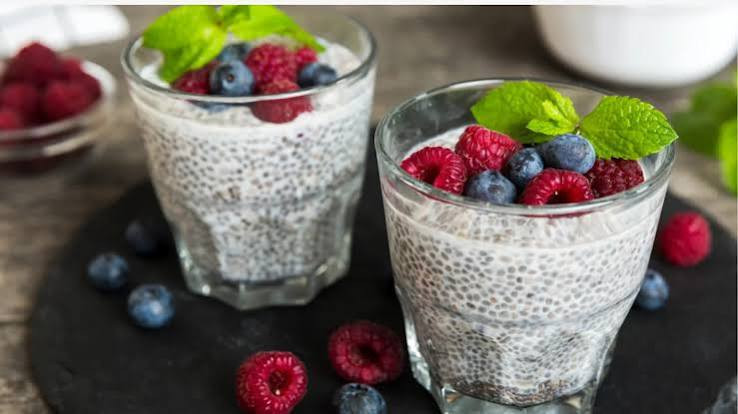
| Day 5 | Make chia pudding with milk and fruit |
| Day 6 | Sprinkle a small amount of soaked chia over a fruit bowl |
| Day 7 | Combine chia gel with yogurt, berries, and a few nuts |
This routine is not about forcing a large amount.
It is about consistency. Small habits are easier to repeat, and repeated habits are more useful than extreme routines that only last two days.
What To Eat With Chia Seeds For Better Eye Nutrition
Chia seeds become more useful when combined with other foods that support eye friendly nutrition.
Try pairing them with:
- Blueberries or strawberries for vitamin C and antioxidants
- Orange slices for vitamin C
- Greek yogurt for protein
- Spinach in a smoothie for lutein and zeaxanthin
- Walnuts for additional healthy fats
- Eggs with breakfast for lutein and protein
- Salmon or sardines during the week for DHA and EPA omega 3s
This is the part many people miss.
Chia seeds are not the whole plan. They are one small piece of a stronger daily nutrition routine.
When Chia Seeds May Not Be Right For Everyone
Chia seeds are generally used as food, but they may not fit every person in every situation.
Be more careful if you:
- Have trouble swallowing dry seeds
- Have a history of digestive narrowing or swallowing problems
- Experience bloating from high fiber foods
- Take blood thinning medication
- Take medication for blood sugar or blood pressure
- Have a seed allergy
- Are preparing for surgery and have been told to adjust your diet or supplements
The safest choice is to eat chia seeds soaked, use moderate portions, and ask a healthcare professional if you take prescription medication or have a medical condition.
Common Mistakes People Make With Chia Seeds
Many people hear about chia seeds and use them the wrong way. That can lead to bloating, discomfort, or unrealistic expectations.
Avoid these mistakes:
- Eating a large dry spoonful without water
- Expecting vision to change quickly
- Using chia seeds instead of medical eye care
- Adding chia to sugary desserts and calling it healthy
- Eating too much fiber too fast
- Ignoring regular eye exams
- Forgetting leafy greens and colorful vegetables
Sự thật là simple habits work better when they are balanced. Chia seeds can be helpful, but only when used with common sense.
Other Daily Habits That Support Eye Comfort
Nutrition matters, but your eyes also need daily care.
Try these simple habits:
- Follow the 20 20 20 screen rule: every 20 minutes, look at something about 20 feet away for 20 seconds
- Wear sunglasses outdoors when sunlight is strong
- Keep your blood pressure and blood sugar in a healthy range
- Drink enough water during the day
- Eat leafy greens several times a week
- Avoid smoking and secondhand smoke when possible
- Schedule routine eye exams, especially after age 40
This is not complicated, but it is powerful.
Your eyes benefit from steady protection, not occasional panic.
What Science Says About Nutrition And Eye Health
Research on eye health often focuses on nutrients such as lutein, zeaxanthin, zinc, vitamins C and E, and omega 3 fats. Large eye studies have also shown that specific supplement formulas may help certain people with intermediate age related macular concerns reduce the risk of progression, but those formulas are not meant for everyone and do not prevent all eye problems.
That matters because many online claims make nutrition sound too simple.
A seed, juice, tea, or supplement should not be treated like a medical treatment. Food can support health, but an eye doctor is still needed for symptoms like sudden vision loss, flashes, floaters, eye pain, double vision, or rapidly worsening blur.
A Gentle Daily Chia Routine To Try
Here is a simple version you can start with tomorrow morning.
Add 1 teaspoon of chia seeds to half cup of water or milk. Stir, wait, and let the seeds soften. Add the gel to oatmeal, yogurt, or a smoothie with berries.
After several days, increase to 1 tablespoon if your digestion feels comfortable.
For a stronger eye friendly meal, combine chia with berries and a side of eggs or leafy greens. Later in the week, include fatty fish if it fits your diet.
This approach is simple, affordable, and realistic.
And that is the secret from the beginning: the real value is not in eating a seed once. It is in turning a tiny seed into a daily habit that supports the whole body, including the eyes.
Conclusion
Chia seeds can be a smart daily food for people who want to support eye health naturally through better nutrition. They provide plant based omega 3 ALA, fiber, minerals, and antioxidants, all of which can fit into a balanced eye friendly eating routine.
But they are not a cure, not a quick fix, and not a replacement for professional eye care.
Use them soaked, start small, pair them with colorful foods, and keep your expectations realistic. Over time, this simple habit may become one of the easiest ways to make your meals more supportive for long term wellness.
FAQ
What seed is good for eye health?
Chia seeds can be a good option because they contain plant based omega 3 fats, fiber, minerals, and antioxidants. Pumpkin seeds, flaxseeds, and sunflower seeds may also support a balanced diet that includes nutrients connected to eye wellness.
Can chia seeds sharpen eyesight naturally?
Chia seeds should not be expected to sharpen eyesight or correct vision problems. They may support overall nutrition, but vision changes should be checked by an eye care professional.
How much chia seed should I eat per day?
Many adults use 1 teaspoon to 1 tablespoon daily at first. Some people use up to 2 tablespoons, but it is better to increase slowly and drink enough water because chia seeds are high in fiber.
Medical disclaimer: This article is for general educational purposes only and is not a substitute for professional medical advice, diagnosis, or treatment from a qualified healthcare provider.