Many people try to protect their kidneys by making what feels like a smart drink swap. They give up soda, cut back on coffee, and start choosing juice, smoothies, flavored waters, or wellness drinks because the labels sound cleaner. The problem is that many of these drinks can still carry a heavy sugar load, and that may work against the same health goals people are trying to support. The good news is simple: your kidneys do not need expensive drinks every day, and one of the most helpful choices may already be sitting in your kitchen.

Why This Drink Swap Can Be Confusing
It is easy to understand why people fall for this mistake.
A bottle that says “natural,” “vitamin,” “cold pressed,” “immune support,” or “no artificial colors” sounds healthier than soda. A smoothie with fruit on the label feels better than a can of cola. A colorful enhanced water looks lighter than a sweet tea.
But here is the truth: your body does not judge a drink by the marketing on the front label. It responds to what is inside the bottle.
For kidney health, one of the biggest things to watch is added sugar. High sugar intake can contribute to weight gain, blood sugar problems, high blood pressure, and metabolic stress. Over time, these are closely connected with kidney strain, especially in people who already have diabetes, prediabetes, high blood pressure, or a family history of kidney disease.
That does not mean one sweet drink will damage your kidneys. It means the daily habit matters.
And this is where many people get surprised.
What Your Kidneys Actually Do Every Day
Your kidneys are small, but their job is huge. They help filter waste from the blood, balance fluid levels, support healthy blood pressure, and help keep minerals in a safe range.
They do not need a special detox drink to do that work.
They need steady support from simple habits, including:
- Enough fluid for your personal needs
- Less added sugar
- Less excess sodium
- Balanced meals
- Healthy blood pressure and blood sugar control
- Regular checkups if you are at risk
Sự thật là, the most kidney friendly drink for many people is not fancy at all. It is plain water.
Water has no sugar, no calories, no additives, and no marketing trick. It helps your body stay hydrated so your kidneys can do their normal filtering work.
But that does not mean everyone should force huge amounts of water. People with advanced chronic kidney disease, heart failure, or dialysis needs may be told to limit fluids. That is why personal medical advice matters.
The One Ingredient Many “Healthy” Drinks Still Contain
The ingredient to watch is added sugar.
It may appear on labels under different names, such as:
- Cane sugar
- Fructose
- Glucose
- Sucrose
- Corn syrup
- Agave syrup
- Brown rice syrup
- Fruit juice concentrate
- Honey
- Evaporated cane juice
Here is the tricky part: some drinks do not taste as sweet as soda, but they can still contain a surprising amount of sugar per bottle.
And because drinks go down quickly, they often do not make people feel full the way whole foods do.
Đây là phần thú vị nhất: a person may remove soda from their diet and still drink a sugar loaded beverage every day without realizing the swap was not as helpful as they hoped.
Five Drinks That Look Healthy but Deserve a Closer Look
1. Bottled Fruit Juice
Fruit juice has a healthy image because it comes from fruit. Some juices do contain vitamin C, potassium, and plant compounds.
But juice is not the same as whole fruit.
Whole fruit contains fiber, which slows digestion and helps with fullness. Juice removes much of that fiber, leaving a sweet liquid that can raise blood sugar more quickly.
A small glass of 100 percent juice can fit into some diets, but large bottles or multiple servings per day may become a problem.
A better everyday choice: choose whole fruit most often and drink water between meals.

2. Store Bought Smoothies
Smoothies can be healthy when made carefully at home with whole fruit, vegetables, protein, and no added sugar.
But many bottled smoothies are different.
Some contain fruit purees, juice concentrates, sweetened yogurt, honey, syrups, or large serving sizes that make the sugar total climb fast.
Nhưng đó chưa phải là tất cả. Because smoothies feel filling and nutritious, people may drink them in addition to meals instead of using them as part of a balanced meal.
A better everyday choice: make a simple smoothie at home with unsweetened ingredients, keep the portion moderate, and include protein or fiber.
3. Enhanced Waters and Vitamin Drinks
Enhanced water sounds light and modern. The bottle may mention vitamins, electrolytes, energy, focus, or immunity.
The problem is that some versions contain added sugar. Others use sweeteners that may keep your taste buds trained to expect sweet drinks all day.
For many people, vitamins are better handled through a balanced diet or a supplement recommended by a healthcare professional, not a daily sweet beverage.
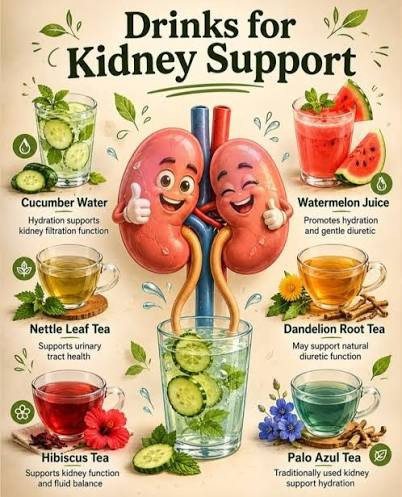
A better everyday choice: plain water with lemon slices, cucumber, mint, or berries for flavor.
4. Sweetened Plant Based Milks
Almond milk, oat milk, soy milk, and other plant based milks can be useful options for many people.
But not all cartons are the same.
Some are sweetened. Some contain added phosphorus ingredients. For people with kidney disease, phosphorus and potassium may matter depending on their lab results and disease stage.
This does not mean plant based milk is bad. It means the label matters.
A better everyday choice: look for unsweetened versions and ask your healthcare team if you have chronic kidney disease.
5. Bottled Tea, Kombucha, and Wellness Drinks
Tea itself can be a reasonable drink when unsweetened. The same is true for some fermented or wellness drinks in small portions.
But bottled versions often contain added sugar to improve taste.
Kombucha, green tea drinks, herbal tonics, and “gut health” beverages can sound very healthy, yet some bottles contain sugar levels closer to dessert than hydration.
A better everyday choice: brew unsweetened tea at home, chill it, and add fresh lemon or herbs.
Quick Comparison Table
| Drink choice | Why people choose it | What to check | Smarter daily option |
|---|---|---|---|
| Fruit juice | Natural fruit image | Serving size and sugar grams | Whole fruit plus water |
| Bottled smoothie | Feels filling and healthy | Added juice, syrup, sweetened yogurt | Homemade unsweetened smoothie |
| Enhanced water | Vitamins and wellness claims | Added sugar and sweeteners | Water with fruit slices |
| Plant based milk | Dairy alternative | Sweetened version and phosphorus additives | Unsweetened option |
| Bottled tea or kombucha | Antioxidants or gut health | Sugar per bottle | Unsweetened tea |
Why Sugar Matters for Kidney Health
Sugar does not directly “attack” the kidneys in a simple one step way. The concern is more practical.
Too much sugar over time can make it harder to manage body weight, blood sugar, and blood pressure. These are major factors connected with kidney health.
For people with diabetes, high blood sugar can damage tiny blood vessels in the kidneys. When those blood vessels are affected, the kidneys may not filter as well.
For people with high blood pressure, the pressure inside blood vessels can also place extra stress on the kidneys.
Nói đơn giản hơn: the kidneys are closely connected to the health of your blood vessels. When blood sugar and blood pressure are under better control, your kidneys often have a better environment to do their job.
What Your Kidneys May Need More Than a Trendy Drink
Your kidneys usually need consistency, not a miracle beverage.
Start with these simple steps:
- Drink water as your main daily beverage unless your clinician has told you to limit fluids.
- Read the nutrition label before buying any bottled drink.
- Look for “added sugars” on the label, not only total calories.
- Choose unsweetened versions whenever possible.
- Keep juice portions small and choose whole fruit more often.
- Avoid using sweet drinks as your main hydration source.
- Check blood pressure regularly if you are over 45 or have risk factors.
- Ask about kidney screening if you have diabetes, high blood pressure, or family history of kidney disease.
Here is the small habit that helps many people: keep a glass or bottle of water visible in the place where you usually reach for sweet drinks.
This makes the better choice easier before cravings take over.
How to Read a Drink Label in 30 Seconds
You do not need to be a nutrition expert.
Use this quick method:
Step 1: Check the serving size
Some bottles contain more than one serving. If the label shows sugar for half the bottle, the real amount you drink may be double.
Step 2: Look at added sugars
Total sugar includes natural sugar. Added sugar tells you what was added during processing.
Step 3: Scan the ingredient list
Words like syrup, cane sugar, juice concentrate, honey, agave, and fructose are signs of added sweetness.
Step 4: Watch for “healthy” language
Words like natural, antioxidant, vitamin, energy, or wellness do not automatically mean kidney friendly.
Step 5: Compare with water
Ask yourself: Is this drink giving me something I truly need, or is it mostly sweet hydration?
That one question can change your daily routine.
What About Coffee?
Many people give up coffee first because they assume it is bad for the kidneys. But for many healthy adults, moderate coffee can fit into a balanced diet.
The bigger issue is often what gets added to coffee: sugar, flavored syrups, whipped toppings, and sweet creamers.
A plain coffee and a dessert coffee are not the same drink.
If coffee makes you jittery, worsens sleep, raises your blood pressure, or conflicts with your medical advice, it may be worth reducing. But replacing a lightly sweetened coffee with a large bottled juice or sweet smoothie is not always an upgrade.
A Simple Kidney Friendly Drink Routine
Here is an easy routine many adults can use as a starting point, unless a healthcare professional has given different instructions.
Morning
Drink a glass of water after waking. If you enjoy coffee or tea, keep it simple and avoid turning it into a sugary drink.
Midday
Choose water with meals. Add lemon, cucumber, mint, or berries if plain water feels boring.
Afternoon
If you want flavor, try unsweetened iced tea or sparkling water without added sugar.
Evening
Avoid large amounts of fluid right before bed if nighttime urination bothers you. Sip earlier in the evening instead.
Sự thật là, the best routine is the one you can repeat without feeling punished.
Better Flavor Ideas Without Added Sugar
Try these combinations:
- Water with cucumber and mint
- Water with lemon and ginger slices
- Sparkling water with lime
- Unsweetened iced green tea
- Unsweetened herbal tea over ice
- Water with sliced strawberries
- Plain water served cold in a favorite cup
These are not magic cures. They are simple replacements that help reduce added sugar while keeping hydration easy.
When to Be More Careful
Some people should speak with a healthcare professional before changing fluid habits or drink choices.
This includes people who have:
- Chronic kidney disease
- Kidney failure
- Dialysis treatment
- Heart failure
- Severe swelling
- Low sodium levels
- Fluid restriction instructions
- Diabetes with changing blood sugar levels
- High blood pressure that is not controlled
For these groups, “drink more water” is not always the right advice. The safest amount depends on the person.
The Bottom Line
Many people make a drink swap because they are trying to do something good for their kidneys. That intention is smart. The hidden problem is that juice, smoothies, enhanced waters, sweetened plant milks, and wellness drinks can still contain added sugar or large amounts of fast absorbed natural sugar.
Your kidneys usually do not need a trendy bottle. They need steady support from hydration, balanced meals, blood pressure control, blood sugar awareness, and fewer sugar loaded drinks.
The surprising solution is simple: make water your default, use unsweetened drinks when you want variety, and treat sweet beverages as occasional choices instead of daily health habits.
That small change may be one of the easiest ways to support your long term kidney health without buying anything special.
FAQ
What is the best daily drink for kidney health?
For many people, plain water is the best everyday drink because it has no sugar, calories, or additives. However, people with advanced kidney disease, kidney failure, dialysis needs, or fluid restriction should follow their healthcare team’s advice.
Are fruit juices bad for kidneys?
Fruit juice is not automatically bad, but large portions can add a lot of sugar without the fiber found in whole fruit. For everyday habits, whole fruit and water are usually a better choice than frequent large glasses of juice.
How do I know if a drink has too much sugar?
Check the nutrition label for added sugars and serving size. Also scan the ingredient list for cane sugar, syrup, fructose, honey, agave, or fruit juice concentrate. If the bottle is sweet and you drink it daily, it is worth replacing with an unsweetened option more often.
Medical disclaimer: This article is for general educational purposes only and is not a substitute for professional medical advice, diagnosis, or treatment. Always speak with a qualified healthcare professional about personal kidney concerns, chronic conditions, medications, or fluid restrictions.