As we move into our 60s and beyond, many of us start paying closer attention to how everyday food choices might support our kidneys and overall comfort. It can feel frustrating to stand in the produce aisle second-guessing every option or worrying that meals you once enjoyed might now feel too heavy or complicated. The good news is that plenty of familiar, affordable vegetables can fit comfortably into kidney-conscious meal planning, and discovering which ones tend to work better for many people can turn daily cooking from a source of stress into something simpler and more enjoyable. But the real key isn’t about strict rules or giving up everything you love — it’s about understanding how preparation, portions, and your own individual needs come together so eating well feels natural again.
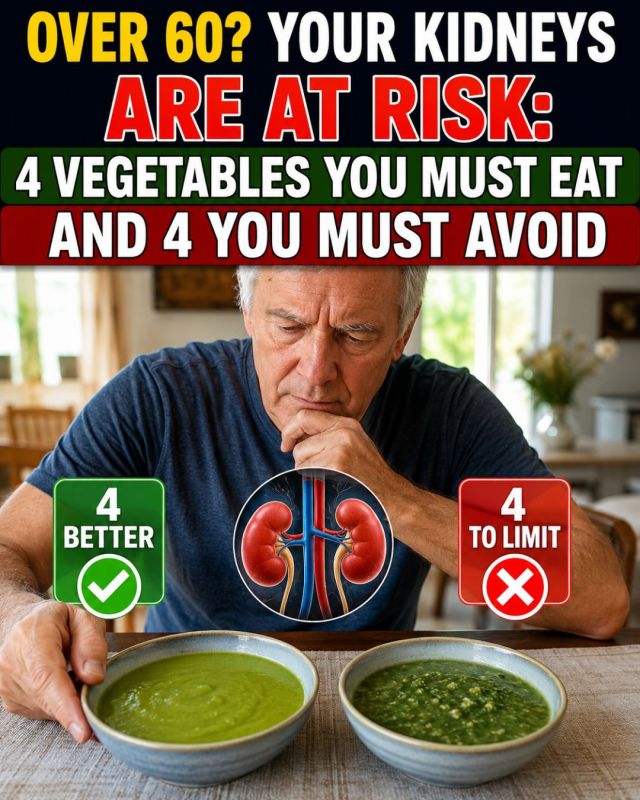
Why Vegetable Choices Often Become More Important After 60
If you’ve noticed that your energy for cooking has changed or that certain foods sometimes leave you feeling sluggish, you’re far from alone. Many people over 60 find that being more mindful about the vegetables they choose regularly helps them feel more in control of their daily routine and more comfortable after meals.
Vegetables that tend to be lower in potassium or phosphorus can mean less work for the kidneys while still delivering satisfying texture, fiber, and color. At the same time, these choices often support easier digestion and require less chewing effort when prepared gently — something that matters more as we age.
But that’s not the whole picture. The most helpful shift usually happens when you realize you don’t have to eliminate favorite flavors or make meals boring. Small, consistent swaps and smarter preparation methods can make a noticeable difference in how relaxed and satisfied you feel at the table.
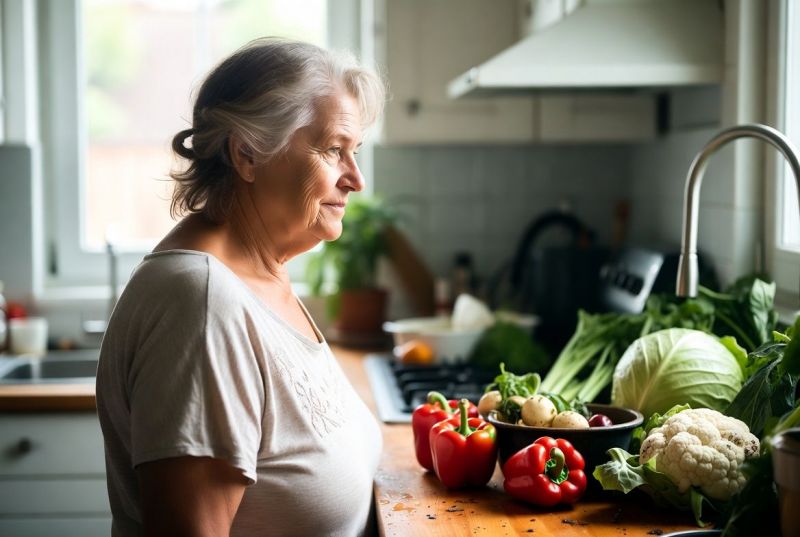
What Makes Some Vegetables Fit Kidney-Conscious Meals Better Than Others
Kidney-conscious eating generally focuses on balancing potassium, phosphorus, and sodium in the foods we eat most often. Different vegetables contain these minerals in varying amounts, and for some people, keeping these levels in a comfortable range supports how they feel day to day.
Guidance from kidney health organizations often points out that vegetables like cabbage, cauliflower, bell peppers, cucumbers, and onions tend to have lower mineral content in typical serving sizes compared with options such as spinach, potatoes, or tomatoes. This doesn’t mean the higher-mineral vegetables are forbidden — it simply means many people find it easier and more relaxed to build the majority of their meals around the lower ones and enjoy the others occasionally or with special preparation (such as boiling and draining).
The encouraging part is that these “easier-fit” vegetables are also versatile, budget-friendly, and gentle on digestion. They take on flavors beautifully from garlic, onion, lemon, and herbs, so meals stay interesting without extra salt or complicated ingredients.
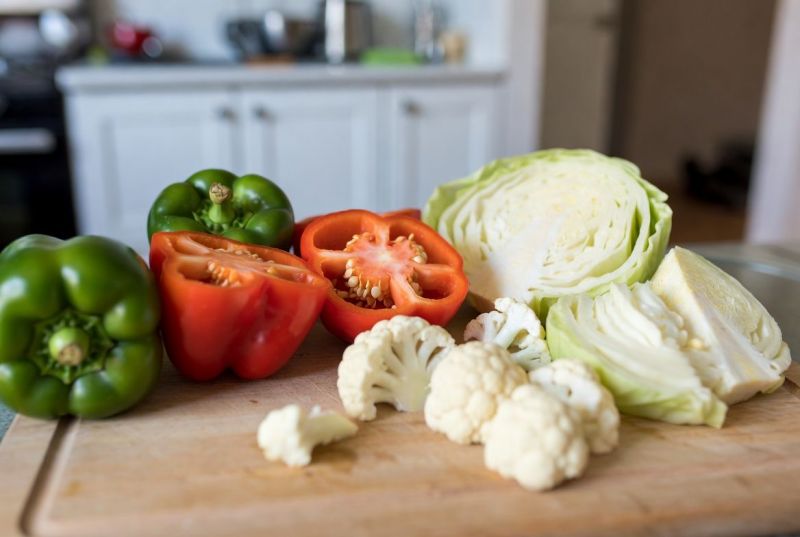
Vegetables That Often Work Well in Kidney-Conscious Cooking
Here are vegetables that many people over 60 find easy to include several times a week:
- Red and green bell peppers — Naturally low in potassium and phosphorus. They add bright color and a gentle sweetness. Enjoy them raw for crunch in salads or cook until soft for easier chewing.
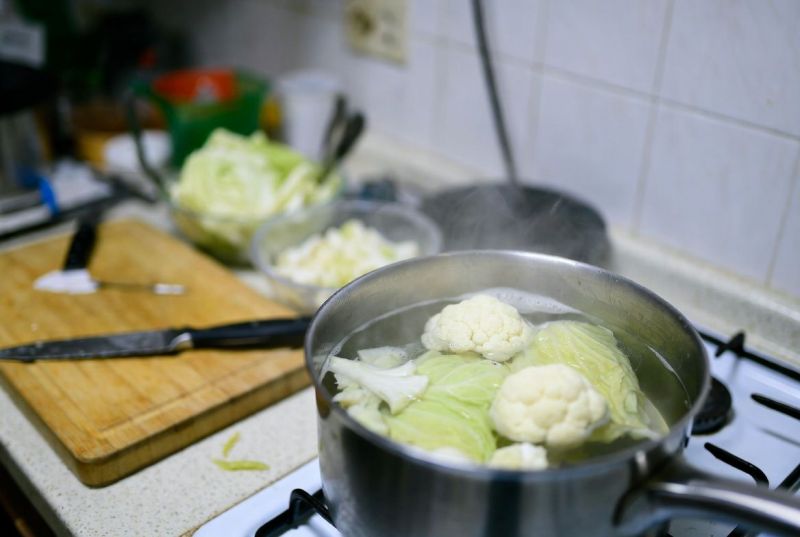
- Cabbage (green or red) — One of the lowest-potassium vegetables available. It stays crisp in fresh slaws or becomes tender and sweet when lightly cooked. Excellent source of fiber that supports comfortable digestion.
- Cauliflower — A popular lower-potassium alternative to potatoes. Steam, roast, or mash it. It absorbs flavors from garlic and onion wonderfully and feels satisfying and filling.
- Onions and garlic — Extremely low in the minerals that matter most here. Use them generously to build rich flavor without needing extra salt. They make simple vegetable dishes taste like you spent much more time cooking.
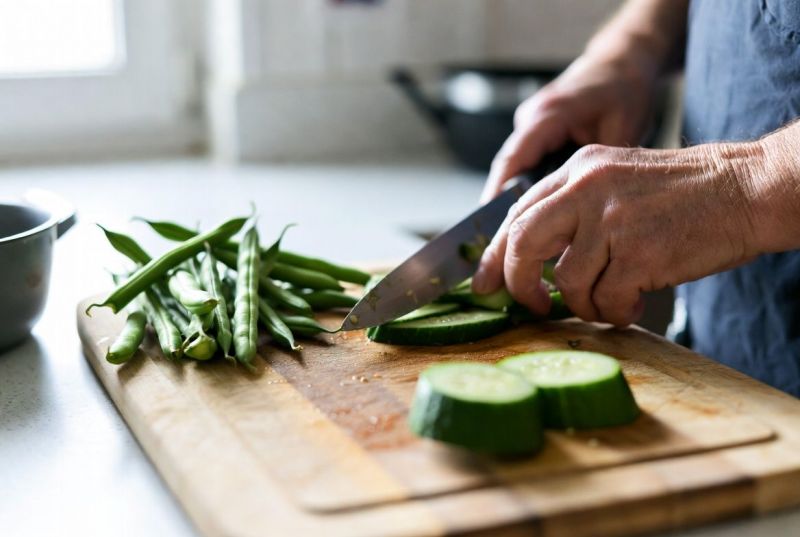
- Cucumbers — Very low in everything and high in water. Perfect for refreshing salads or quick snacks. Gentle on the stomach and easy to prepare.
- Green beans — Moderate mineral levels and good fiber. They cook quickly and pair well with cabbage, peppers, and cauliflower.
- Asparagus — Can be enjoyed in smaller portions. Lightly steam or roast for a pleasant change of texture.
These options give you a colorful, tasty foundation for dozens of different meals while keeping things simple and flexible.
Simple Preparation Methods That Make These Vegetables Taste Great
One of the biggest advantages of these vegetables is how quickly and easily they come together. You don’t need special equipment or hours in the kitchen.
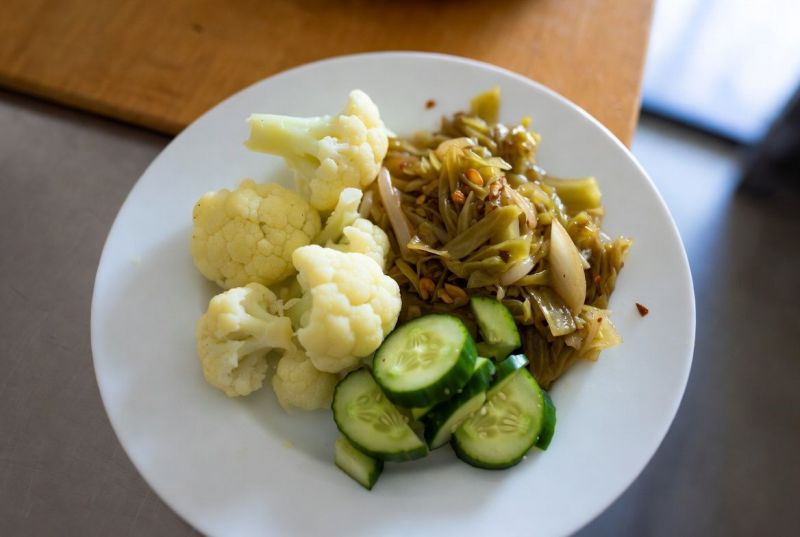
Here’s an easy one-pan method that serves two and takes about 15 minutes:
- Warm a small amount of olive oil or a teaspoon of butter in a skillet over medium heat.
- Add thinly sliced onion and a clove or two of minced garlic. Cook for 2–3 minutes until fragrant and softened.
- Stir in chopped cabbage and bell pepper strips. Cook gently for 5–7 minutes until tender but still slightly crisp.
- Add cauliflower florets and a handful of green beans if desired. Continue cooking another 4–5 minutes.
- Finish with a squeeze of fresh lemon juice, a pinch of black pepper, and any fresh herbs you have.
This approach keeps mineral content low while delivering big flavor. The garlic and onion do most of the work making the dish taste rich and satisfying.
If you ever want to include a small portion of a higher-potassium vegetable, boiling it and discarding the water can help reduce the potassium content before you add it to your meal.
Keeping Meals Interesting and Enjoyable Over Time
The real challenge for many people isn’t finding good vegetables — it’s avoiding boredom. Rotating between fresh cucumber and bell pepper salads, roasted cabbage and cauliflower wedges, and quick skillet meals keeps things fresh and appealing.
You can also use rice or pasta as a neutral base, then pile on generous portions of the lower-mineral vegetables. This creates satisfying, colorful plates without complicating your shopping list.
Many people over 60 find that focusing on color, texture, and gentle seasoning makes healthy eating feel like a pleasure rather than a restriction. A simple squeeze of lemon or a sprinkle of black pepper often makes all the difference.
Small, Consistent Changes Usually Matter Most
You don’t have to change everything at once. Start by swapping just one vegetable you currently eat often with one from the list above. Notice how your meals feel — lighter, more flavorful, or simply easier to enjoy without second-guessing.
The most sustainable approach is the one that fits your taste preferences, your energy level, and your daily routine. These vegetables give you a flexible, forgiving foundation that can grow with you for years to come.
Frequently Asked Questions
Can I still enjoy vegetables I love that are higher in potassium?
Yes, in most cases. Portion size and preparation methods matter. Many people enjoy small servings of tomatoes, spinach, or potatoes occasionally, or they boil potatoes and discard the cooking water to lower the potassium. A registered dietitian can help you personalize this based on your own situation.
How many servings of vegetables should I aim for each day?
General guidance often suggests filling about half your plate with vegetables and fruits, but individual needs vary. Focus on the lower-mineral options more frequently and pay attention to how you feel. Your doctor or dietitian can recommend targets that match your health profile and lab results.
Are frozen or canned vegetables suitable?
Plain frozen vegetables without added sauces are usually convenient and fine. For canned vegetables, choose low-sodium versions and rinse them thoroughly. Some people prefer fresh or frozen because the liquid in cans can contain extra sodium or potassium.

Important Disclaimer
This article is for general informational purposes only and does not constitute medical advice, diagnosis, or treatment. Kidney health needs are highly individual. Always consult your physician, nephrologist, or a registered dietitian before making changes to your diet, particularly if you have existing kidney concerns or take medications that affect mineral balance. They can provide personalized guidance based on your specific health situation and recent laboratory results.