As we move into our 60s and beyond, many people begin to notice that their legs feel heavier or cooler toward the end of the day. Simple walks that once felt easy can start to require more effort, and occasional cramps or that uncomfortable pins-and-needles feeling can make staying active feel more challenging than before. These shifts often lead to frustration because they touch something deeply important: the freedom to move through daily life with confidence and independence.
The reality is that these experiences can quietly chip away at quality of life. When legs feel less responsive, it becomes harder to enjoy time with family, maintain a garden, or simply get out for fresh air without planning around discomfort. Over time, this can create a cycle of doing less, which only makes the body feel less resilient. Many seniors quietly wonder if there is something simple they have overlooked that could help their body feel more supported from the inside out.
Here is the encouraging news. One specific nutrient often slips under the radar in regular check-ups, yet it plays meaningful roles in how the body produces red blood cells and maintains healthy nerve function. Vitamin B12 status is something cardiologists and researchers increasingly pay attention to when discussing overall wellness in later years. The best part is that finding out where you stand is straightforward, and small daily habits can make a real difference.

How Circulation Needs Evolve After 60
Blood vessels naturally become less flexible with age, and the body’s ability to deliver oxygen and nutrients to muscles and nerves can change. When this happens, legs may feel colder, heavier, or quicker to tire. Many people also notice that recovery after light activity takes longer than it used to. These are common experiences, yet they often go unaddressed until they begin to limit daily routines.
Vitamin B12 contributes to the formation of healthy red blood cells that carry oxygen throughout the body. It also supports the protective covering around nerves that help control blood vessel tone and sensation in the legs and feet. When vitamin B12 levels are optimal, these systems tend to function more smoothly, which is why checking status becomes increasingly valuable after 60.
But that is not the whole picture. The body’s ability to absorb vitamin B12 naturally declines with age because stomach acid and intrinsic factor production often decrease. Certain common medications can further affect absorption. This combination means many seniors run lower than they realize, even when eating a balanced diet.
 100vw, 800px” data-lazy-src=”https://healthysecret.alodi.net/wp-content/uploads/2026/07/image-87.jpg” /></figure>
<h2 class=) Why Vitamin B12 Matters for Nerve and Blood Vessel Health
Why Vitamin B12 Matters for Nerve and Blood Vessel Health
Vitamin B12 helps keep homocysteine levels in a healthy range. Elevated homocysteine is associated with less flexible blood vessels and reduced blood flow efficiency. By supporting normal homocysteine metabolism, adequate vitamin B12 may contribute to better vascular function over time.
In addition, vitamin B12 is essential for maintaining the myelin sheath that insulates nerves. When this protective layer is well supported, nerve signals that influence circulation and leg comfort tend to work more effectively. Research published in nutrition and cardiology journals continues to explore these connections, showing consistent interest in B-vitamin status among older adults.
The truth is that vitamin B12 does not work in isolation. It works alongside other B vitamins and lifestyle factors. Still, because deficiency is so common and often silent in the beginning, it has become one of the nutrients cardiologists and primary care providers frequently discuss when seniors report changes in leg comfort or energy.
Common Reasons Seniors May Run Low in Vitamin B12
Several factors make lower vitamin B12 levels more likely after 60. Reduced stomach acid production is one of the most frequent. Long-term use of certain medications, including metformin for blood sugar management and some acid-reducing drugs, can also affect how much vitamin B12 the body absorbs from food.
Dietary patterns play a role too. People who eat little or no animal products may not get enough unless they choose fortified foods or supplements. Even those who eat meat, fish, and dairy can still fall short if absorption is compromised. The combination of age-related changes and modern medication use explains why so many seniors have suboptimal levels without obvious dietary gaps.

Signs That May Suggest Low Vitamin B12 Levels
Because vitamin B12 affects both blood and nerve health, the signs can feel similar to circulation challenges. Here are some experiences seniors sometimes report:
- Legs or feet that feel unusually cold or heavy by evening
- Tingling, pins-and-needles, or numbness in the feet and lower legs
- Cramps or discomfort that appears during or after light walking
- Feeling more fatigued than expected after normal daily activities
- Slower recovery or balance that feels slightly off
- A general sense that legs are not as strong or responsive as they once were
These symptoms do not automatically mean low vitamin B12, but they are worth discussing with a healthcare provider. Many people are surprised to learn how much difference addressing a deficiency can make in how their legs feel during everyday movement.
Practical Food Sources That Provide Vitamin B12
Getting more vitamin B12 through food is one of the simplest first steps. Here are reliable options that fit easily into senior-friendly meals:
- Clams and shellfish — among the richest natural sources
- Salmon, tuna, and other fatty fish — excellent and heart-friendly choices
- Eggs — especially the yolk, easy to prepare in many ways
- Greek yogurt and other dairy — convenient for breakfast or snacks
- Lean beef and liver — nutrient-dense but can be eaten in moderation
- Fortified cereals and plant milks — helpful for those who eat fewer animal foods
A single serving of salmon or a couple of eggs can contribute meaningfully toward daily needs. The key is consistency rather than relying on one large dose occasionally.

Simple Steps to Check and Support Your Vitamin B12 Status
If you suspect your levels may be low, or if you simply want to be proactive, these steps can help:
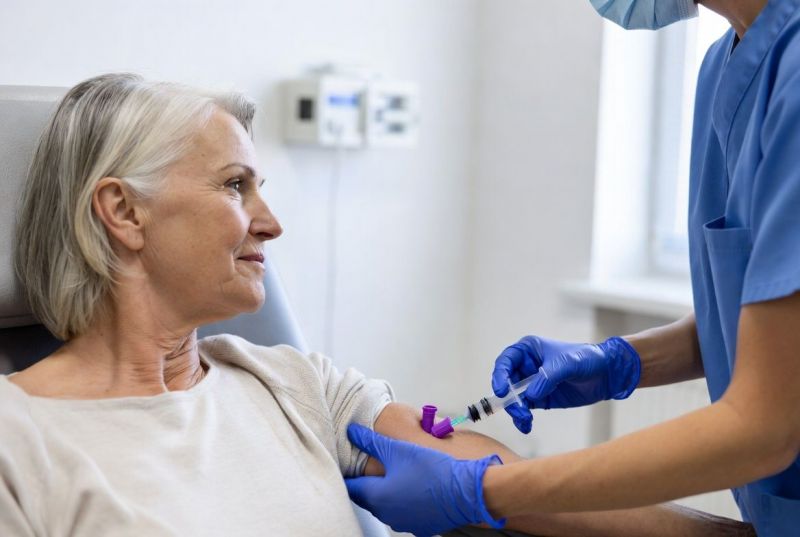
- Schedule a conversation with your doctor or healthcare provider and ask specifically for a vitamin B12 blood test. Mention any leg discomfort, fatigue, or medications you take regularly.
- Request follow-up markers such as methylmalonic acid (MMA) or homocysteine if your initial result is borderline. These can give a clearer picture of functional vitamin B12 status.
- Review your current medications together. Your doctor may suggest timing adjustments or additional monitoring if absorption is affected.
- Begin incorporating two to three vitamin B12-rich foods most days. Small, consistent changes are easier to maintain than dramatic overhauls.
- If supplementation is recommended, ask about the form (methylcobalamin or cyanocobalamin) and dosage that fits your needs. Many seniors do well with sublingual or regular oral forms under medical guidance.
- Pair nutrition improvements with gentle daily movement, such as walking or seated exercises, to further support healthy circulation.
What Research Suggests About B Vitamins and Vascular Health
Multiple studies have examined the relationship between B-vitamin status and markers of vascular function. Adequate vitamin B12 helps maintain normal homocysteine levels, which in turn supports healthier blood vessel flexibility. While results vary across populations, the overall pattern shows that correcting deficiencies often correlates with improvements in how people feel day to day.
A large review of nutrition research noted that B vitamins, including vitamin B12, play supportive roles in endothelial function and red blood cell health. These mechanisms help explain why many seniors report better energy and leg comfort once levels are restored. The message from cardiologists and researchers is consistent: checking and addressing vitamin B12 status is a low-risk, high-potential step worth considering after 60.
Frequently Asked Questions
How common is low vitamin B12 among seniors?
Studies suggest that up to 20% of adults over 60 may have suboptimal or deficient levels, with rates rising further after age 70. Absorption changes and medication use are major contributors.
Can I get enough vitamin B12 from food if I eat a varied diet?
Many people can, especially if they regularly include fish, eggs, dairy, or fortified foods. However, even good diets may not overcome age-related absorption challenges, which is why testing remains valuable.
Is it safe to take a vitamin B12 supplement?
Vitamin B12 has a very good safety profile because the body excretes what it does not need. Still, it is best to have levels checked first and follow your healthcare provider’s guidance on form and amount.
Moving Forward With Confidence
Paying attention to vitamin B12 is one of those quiet, high-leverage habits that can support how you feel in your legs and how confidently you move through each day. Because the signs of low levels often overlap with normal aging experiences, many people never connect the dots until they have a conversation with their doctor.
The process does not require dramatic changes. It starts with a simple blood test and a few thoughtful additions to meals you already enjoy. Over time, these small steps can help your body maintain the circulation support and nerve comfort that keep daily life enjoyable and independent.
You do not have to accept heavier legs or reduced mobility as an inevitable part of getting older. Checking your vitamin B12 status is a practical, evidence-informed step that puts useful information in your hands and opens the door to feeling more like yourself again.
Important Disclaimer: This article is for general informational purposes only and does not constitute medical advice. It is not intended to diagnose, treat, cure, or prevent any disease. Always consult your physician or qualified healthcare provider before starting any new supplement, making dietary changes, or addressing symptoms. Individual needs vary, and professional medical guidance is essential, especially when medications or existing health conditions are involved.