You catch yourself doing it again — skipping the extra glass of water because you want to avoid extra bathroom trips at night, or automatically reaching for the salt shaker while finishing dinner. Deep down you know these small choices add up, and lately you have noticed your energy dipping earlier in the day or a bit of puffiness around your ankles by evening, leaving you feeling quietly frustrated with yourself. The reality is that your kidneys work nonstop to filter waste and keep fluids in balance, and when everyday habits do not give them steady support, the load can grow heavier over time. What if four surprisingly simple adjustments, none of them expensive or complicated, could help ease that burden starting tomorrow morning? One of them is so straightforward you probably already have everything you need at home.
Why These Small Daily Choices Matter More Than Most People Realize
Your kidneys act like a built-in filtration plant, processing roughly 200 quarts of blood each day to remove waste while holding on to what your body needs. As the years pass, it is natural for this system to work a little differently, which is why giving it consistent, gentle help through ordinary routines can be so valuable. The National Kidney Foundation points out that lifestyle factors such as hydration, sodium intake, and regular movement play meaningful roles in how well kidneys continue to function. Research from the National Institute of Diabetes and Digestive and Kidney Diseases also shows that even modest reductions in sodium and small increases in daily activity can support healthy blood pressure — a key factor tied to kidney wellness.
The encouraging part is that you do not need a complete life overhaul. Tiny, repeatable actions often create the biggest difference because they are sustainable. Many people who begin paying attention to just a few daily details report feeling more in control and noticing they have steadier energy. The key is understanding what actually helps and then folding it into routines you already have.
Habit 1: Anchor Your Morning with a Simple Hydration Step
 Starting the day with water gives your kidneys an early chance to begin their filtering work with enough fluid on board. When fluid intake stays low for hours, the kidneys must concentrate urine more intensely, which can make their job harder over time. Studies and guidance from kidney health organizations consistently link steady hydration with better waste removal and lower risk of certain complications such as stones.
Here is how to make it small and automatic:
- Keep a glass or bottle on your nightstand or bathroom counter.
- Drink 8 to 12 ounces of plain water before coffee, tea, or breakfast.
- Refill the same container once or twice during the day and aim to finish it by mid-afternoon.
- Check your urine color in the morning — pale yellow usually means you are on track.
If plain water feels boring, add a thin slice of cucumber, a few berries, or a squeeze of lemon for natural flavor without sugar or artificial ingredients. The goal is not to force gallons of water; it is to give your body a reliable head start and then maintain a gentle flow. Many people find that once this morning anchor is in place, they naturally drink more throughout the day without thinking about it.
But that is not the only benefit. Better hydration often means fewer episodes of feeling overly tired in the afternoon and may reduce the intensity of nighttime bathroom visits for some people once the body adjusts. It is one of the lowest-effort changes you can make that still delivers noticeable support.
Habit 2: Swap the Salt Shaker for Flavor You Already Have
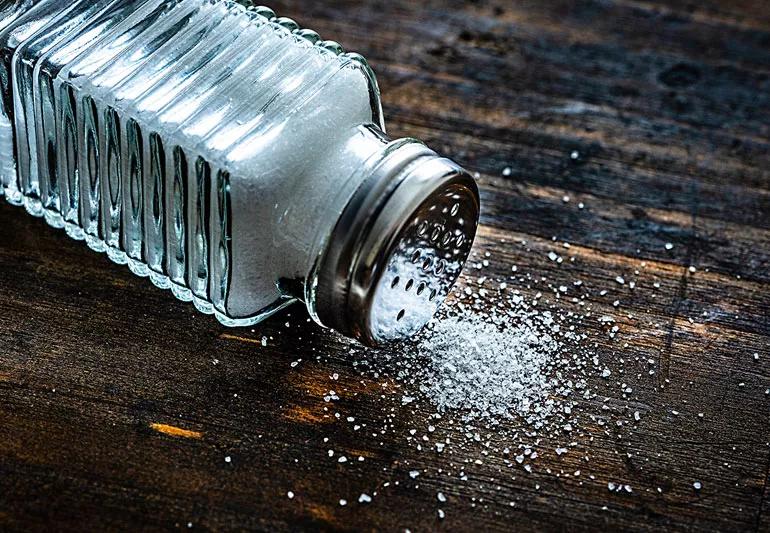
High sodium intake is one of the most common daily habits that quietly raises blood pressure, and over time that extra pressure can affect the tiny filtering units inside the kidneys. The National Kidney Foundation and NIDDK both recommend keeping sodium under 2,300 milligrams per day for most adults, yet many people easily double that without realizing it because salt hides in bread, canned goods, restaurant meals, and processed snacks.
The good news is you do not have to give up taste. You simply change how you create it.
Try this practical swap:
- Stock three or four dried herbs or spice blends you enjoy (garlic powder, oregano, paprika, cumin, Italian seasoning).
- Keep a bottle of lemon juice or a couple of fresh lemons in the fridge.
- When cooking, start with half the salt a recipe calls for and finish with herbs, a squeeze of lemon, or a dash of vinegar instead.
- Once a week, glance at the label on one packaged item you buy often (bread, soup, or crackers) and choose the lower-sodium version next time.
A simple herb mix you can make in two minutes: combine 2 tablespoons dried oregano, 1 tablespoon garlic powder, 1 teaspoon black pepper, and 1 teaspoon paprika. Sprinkle it on eggs, roasted vegetables, chicken, or fish. Most people find the flavor brighter and do not miss the extra salt after a week or two.
The reality is that your taste buds adjust faster than you expect. After a short time, heavily salted foods can even start to taste too strong. This one change alone often lowers daily sodium more than people anticipate.
Habit 3: Add a Short Movement Break After One Meal
Movement helps in several ways that matter for kidney health. It supports healthy blood pressure, helps the body manage blood sugar, and improves circulation so kidneys receive steady blood flow. You do not need long gym sessions; short, consistent activity adds up.
Make it tiny and doable:
- After lunch or dinner, stand up and walk for 5 to 10 minutes around the house, yard, or hallway.
- If walking is difficult, march in place, do gentle ankle circles, or do seated leg lifts while watching television.
- Use natural pauses in your day — while the kettle boils, while brushing teeth, or during TV commercials — to move for just two or three minutes.
Research published through NIDDK shows that even breaking up long periods of sitting with light activity can help blood sugar and blood pressure control. The post-meal window is especially useful because activity right after eating can blunt blood sugar spikes that would otherwise stress the kidneys over time.
Many people who start with just one short walk after their biggest meal notice they sleep a little better and feel less stiff the next morning. It becomes a quiet signal to the body that the day is not over yet.
Habit 4: Give Yourself One Fresh Food Boost Each Day
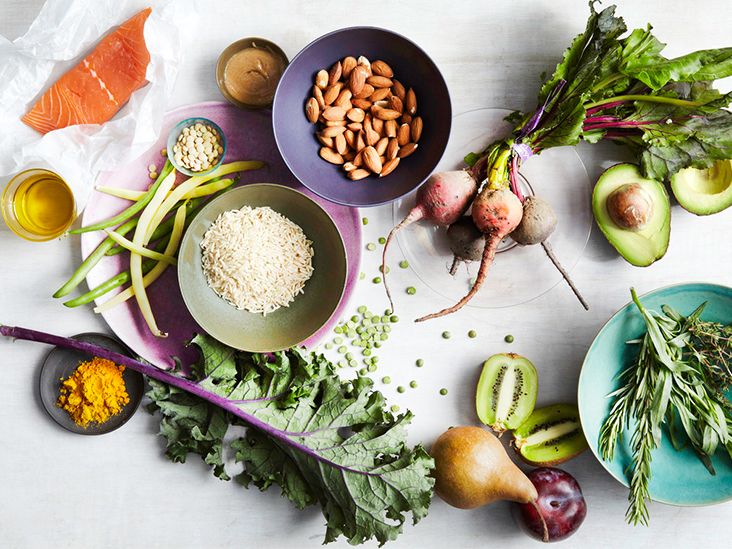
Fresh vegetables and fruits bring fiber, antioxidants, and nutrients that support overall wellness, including heart and kidney health. They are naturally low in sodium and can help replace higher-sodium processed snacks or sides.
Keep it simple and repeatable:
- Add a small handful of berries or a sliced apple to breakfast or as an afternoon snack.
- Include one serving of a lower-potassium vegetable such as cabbage, cauliflower, green beans, or a small salad with dinner most days.
- When you reach for a snack, ask yourself whether a whole-food option (carrot sticks, cucumber slices, or a piece of fruit) could work instead of the usual packaged choice.
You do not have to overhaul every meal. One intentional fresh boost per day is enough to begin shifting the balance. Over weeks and months, these small additions often crowd out some of the processed foods without any feeling of restriction.
How These Four Habits Work Together
When you combine steady hydration, lower sodium through flavor swaps, short movement breaks, and one daily fresh food boost, the effects reinforce each other. Better hydration helps the kidneys move waste more efficiently. Lower sodium supports steadier blood pressure. Movement helps the body use energy and maintain circulation. The fresh food boost supplies nutrients while naturally reducing room for higher-sodium options.
Here is a simple side-by-side look at how a typical day might shift:
| Time of Day | Common Old Pattern | New Small Habit Version |
|---|---|---|
| Morning | Coffee first, water later | 8–12 oz water before coffee |
| Cooking/Meals | Salt shaker on the table | Herb blend and lemon within easy reach |
| After Main Meal | Sit and relax | 5–10 minute easy walk or movement break |
| Snack | Packaged crackers or chips | Handful of berries or veggie sticks |
You do not have to change everything at once. Many people find it easiest to start with the morning water and the salt swap for the first week, then add the movement and fresh food boost once those feel natural.
Everyday Patterns That Can Work Against Kidney Health
While building supportive habits, it helps to notice a few common patterns that can quietly add extra strain:
- Relying heavily on processed and restaurant foods most days (often very high in sodium).
- Going long stretches without drinking water, especially in warmer weather or after activity.
- Sitting for most of the day with almost no movement breaks.
- Using over-the-counter pain relievers regularly without checking with a healthcare provider.
You do not have to be perfect. Simply becoming aware of these patterns lets you make small corrections before they become long-term habits.
Your Simple First-Week Plan
Pick just one habit to focus on this week. Most people choose the morning water glass because it is quick and gives an immediate sense of having done something positive. Once that feels automatic, add the salt swap the following week. By the end of a month you will likely have all four running quietly in the background.
Track how you feel rather than chasing numbers. Notice your energy in the afternoon, how your clothes fit around the ankles, and whether nighttime bathroom trips feel any different. Small improvements in how you feel day to day are often the best motivation to keep going.
Frequently Asked Questions
How much water is actually enough for most people?
Needs vary with activity, climate, and health conditions, but a practical target for many adults is enough fluid so urine stays a pale yellow color during the day. Starting with one solid glass in the morning and sipping regularly often gets people to a comfortable level without forcing large amounts at once.
Can I still enjoy restaurant meals or salty foods I love?
Absolutely. The goal is not strict perfection. Focus on the habits you control at home most days, and enjoy meals out mindfully. Many people find that once their taste buds adjust to less salt, heavily salted restaurant dishes actually taste too strong.
When should I mention kidney health to my doctor?
If you notice ongoing changes such as swelling that does not go away, unusual fatigue, or shifts in urination patterns, bring it up at your next visit. Simple blood and urine tests can give a clear picture, and your doctor can help tailor advice to your specific situation.
These four small daily habits are not dramatic. They will not make headlines or require special equipment. Yet they are exactly the kind of steady, repeatable support that kidneys respond to well over time. The most surprising part is often how quickly they begin to feel normal once you start. Your kidneys have been quietly taking care of you for decades. Giving a little back through these simple daily choices can be one of the kindest things you do for the years ahead.
This article is for general informational purposes only and does not constitute medical advice. Always consult your healthcare provider before making changes to your diet, exercise routine, fluid intake, or lifestyle, particularly if you have existing health conditions, take medications, or have concerns about kidney function.