Kidney worries can feel heavy because the signs are often quiet until daily life starts to change. Many people do not think about their kidneys until swelling, fatigue, blood pressure changes, or abnormal lab results make everything feel urgent. The emotional burden is real, especially for anyone who has watched a loved one struggle with kidney disease. But there is a calmer path forward, and by the end of this guide, you will discover one simple daily habit that many people overlook because it feels almost too basic to matter.

Why Kidney Health Deserves Daily Attention
Your kidneys work quietly every day. They help filter waste, balance fluids, support healthy blood pressure, and keep important minerals in the right range.
The problem is that kidney stress does not always announce itself loudly.
In the early stages, many people may feel normal. That is why kidney health is not only about reacting to symptoms. It is also about building small habits that reduce unnecessary strain over time.
Here is the truth.
No article, drink, food, herb, or home routine can guarantee that a person will never face serious kidney problems. But daily choices can support overall health, help manage common risk factors, and encourage earlier conversations with a healthcare professional.
And that can make a meaningful difference.
The Biggest Kidney Stressors Many People Ignore
When people think about kidney care, they often focus only on water or herbal drinks. Hydration matters, but it is only one piece of the picture.
The most common kidney stressors are usually ordinary things that build up slowly.
Common Factors That May Affect Kidney Health
- High blood pressure
- Diabetes or unstable blood sugar
- Too much sodium from processed foods
- Frequent use of certain pain relievers without medical guidance
- Smoking
- Low physical activity
- Excess body weight
- Family history of kidney disease
- Skipping regular checkups
But that is not all.
A person can feel fine and still have changes in kidney function. This is why simple lab tests, blood pressure checks, and urine checks are so important, especially for adults with diabetes, high blood pressure, or a family history of kidney problems.
 A Kidney Friendly Mindset Starts With Prevention
Many people wait until they feel unwell before they care about their kidneys. But kidney health works best when the mindset changes from fear to prevention.
Think of your kidneys like a home water filter.
If the filter is working, you do not overload it every day and hope it survives. You reduce the strain, clean up the source, and check it regularly.
That means kidney support is not about extreme diets or miracle recipes. It is about steady patterns.
A Better Daily Goal
Instead of asking, “What can fix my kidneys fast?” ask this:
“What can I do today to place less pressure on my kidneys?”
That one shift makes the whole plan safer, calmer, and more realistic.
Habit 1: Keep Blood Pressure In A Safer Range
High blood pressure is one of the most important issues linked with kidney health. It can affect the small blood vessels inside the kidneys, and kidney problems can also make blood pressure harder to manage.
This creates a cycle that needs attention.
The good news is that blood pressure can often be supported through daily habits, medication when prescribed, and regular monitoring.
Simple Blood Pressure Habits To Start Today
- Check blood pressure at home if your doctor recommends it
- Reduce salty packaged foods
- Walk most days, even for 10 to 20 minutes
- Sleep on a regular schedule
- Avoid smoking
- Take prescribed medication consistently
Here is the part many people miss.
Blood pressure does not need to feel dramatic to matter. A person may not feel anything at all, which is why tracking is more useful than guessing.
Habit 2: Watch Sodium Without Making Food Boring
Sodium is not only about the salt shaker. Much of it comes from packaged, canned, restaurant, and processed foods.
For kidney health, sodium matters because it can contribute to fluid retention and higher blood pressure in some people.
But reducing sodium does not mean eating bland meals forever.
Flavor Swaps That Support Better Habits
| Instead Of | Try This |
|---|---|
| Salty seasoning packets | Garlic, onion, lemon, herbs |
| Processed meats | Fresh poultry, fish, eggs, or plant proteins as advised |
| Canned soups | Homemade soup with controlled salt |
| Chips and crackers | Unsalted popcorn or fresh fruit |
| Fast food meals | Simple home cooked bowls |
The secret is not perfection.
The secret is lowering the daily sodium load little by little until your taste buds adjust.
Habit 3: Build A Plate That Respects Your Kidneys
A kidney supportive plate depends on the person. Someone with early kidney concerns may need different guidance than someone on dialysis. That is why a renal dietitian can be extremely helpful.
Still, many adults can benefit from a balanced plate that avoids excess sodium, includes colorful foods, and supports healthy blood pressure and blood sugar.
A Simple Plate Formula For General Kidney Awareness
- Half the plate with vegetables approved for your needs
- One quarter with a moderate protein portion
- One quarter with rice, grains, or starchy vegetables based on your plan
- Add healthy fats like olive oil in small amounts
- Use herbs, lemon, garlic, or vinegar for flavor
But listen carefully.
People with advanced kidney disease may need to limit potassium, phosphorus, protein, or fluids. Foods that are healthy for one person may not be right for another person with kidney disease.
That is why personalized advice matters.
Habit 4: Manage Blood Sugar Gently And Consistently
Blood sugar control is important because diabetes is one of the major risk factors for kidney disease. When blood sugar stays high over time, it can place stress on blood vessels, including those in the kidneys.
This does not mean every meal must be perfect.
It means consistency matters.
Gentle Blood Sugar Support Habits
- Eat protein and fiber with meals when appropriate
- Avoid drinking sugary beverages daily
- Choose smaller portions of sweets
- Walk after meals when possible
- Monitor blood sugar if advised by your clinician
- Keep regular medical appointments
Here is the interesting part.
A short walk after eating may feel too simple, but it can become a powerful routine because it supports blood sugar, circulation, digestion, and weight management all at once.
Habit 5: Be Careful With Pain Relievers
Many adults use over the counter pain medicines for headaches, joint pain, back pain, or arthritis discomfort. Some medicines may not be appropriate for people with kidney disease, high blood pressure, heart disease, or certain prescriptions.
This does not mean you should panic.
It means you should ask before using them often.
A simple question to ask your healthcare professional is:
“Is this pain reliever safe for my kidneys and my current medications?”
That one question can prevent avoidable mistakes.
Habit 6: Hydrate In A Smart Way
Water is important, but more water is not always better for everyone. Some people with advanced kidney disease, heart failure, or swelling may need fluid limits.
For many healthy adults, drinking water regularly and replacing sugary drinks is a helpful habit. But for kidney patients, fluid needs should be personalized.
Signs You May Need Medical Guidance About Fluids
- Swollen feet or ankles
- Shortness of breath
- Sudden weight gain
- Very low urine output
- A doctor has advised fluid restriction
This is where many online kidney tips become risky.
A viral drink may sound harmless, but if it contains high potassium ingredients or encourages too much fluid, it may not be safe for every kidney patient.
Habit 7: Do Not Ignore Quiet Warning Signs
Kidney related symptoms can be vague. They can also come from many other conditions. That is why symptoms should not be used for self judgment.
Still, certain changes deserve attention.
Changes Worth Discussing With A Healthcare Professional
- Swelling in feet, ankles, hands, or face
- Foamy urine that keeps happening
- Blood in urine
- Fatigue that does not improve
- More frequent urination at night
- Muscle cramps
- Nausea or poor appetite
- Itchy skin
- Blood pressure that stays high
These signs do not automatically mean kidney disease. But they are worth checking, especially if they are new, persistent, or worsening.
A Simple 7 Day Kidney Awareness Reset
This is not a medical plan. It is a gentle awareness routine to help you notice patterns and make safer choices.
Day 1: Check Your Kitchen
Look at labels on sauces, soups, snacks, instant noodles, frozen meals, and processed meats. Notice sodium levels.
Do not judge yourself. Just observe.
Day 2: Replace One Salty Item
Choose one high sodium food and swap it for a lower sodium option.
Small changes are easier to repeat.
Day 3: Take A 15 Minute Walk
Walk after lunch or dinner. Keep it easy and comfortable.
Movement supports blood pressure, blood sugar, circulation, and mood.
Day 4: Drink Water Instead Of One Sugary Drink
Replace one soda, sweet tea, or sweetened juice with water.
This simple swap supports both kidney and metabolic health.
Day 5: Write Down Your Numbers
Record recent blood pressure, blood sugar, creatinine, eGFR, or urine albumin results if you have them.
Knowing your numbers helps you ask better questions.
Day 6: Review Pain Medicine Use
Write down how often you use over the counter pain relievers.
Bring this list to your next appointment.
Day 7: Plan One Medical Question
Choose one question to ask your doctor or dietitian.
For example:
“What should I personally limit to support my kidney health?”
This question is better than following random advice online because it is based on your body, your labs, and your medications.
The Overlooked Habit At The End
The simple habit many people overlook is keeping a personal kidney health notebook.
It can be a paper notebook or a note on your phone.
Write down:
- Blood pressure readings
- Blood sugar readings if needed
- Current medications
- Supplements or herbal products
- Lab results such as eGFR and urine albumin
- Symptoms or changes you notice
- Questions for your doctor
This habit may not look exciting. It does not look like a miracle recipe. But it helps you catch patterns, communicate clearly, and avoid guessing.
That is powerful.
What About Natural Ingredients And Kidney Health?
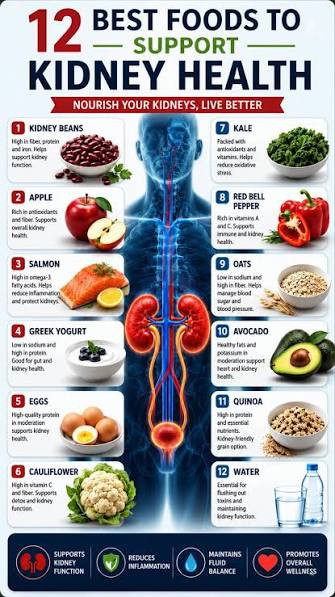
Many natural foods can be part of a healthy lifestyle. Garlic, onions, berries, herbs, lemon, cabbage, cauliflower, olive oil, and other simple ingredients may fit into kidney conscious meals for many people.
However, kidney patients must be careful.
Some natural ingredients are high in potassium or phosphorus. Some herbs and supplements may interact with medication. Some homemade drinks may be unsafe for people with advanced kidney disease or fluid limits.
So the safest approach is this:
Use food to support a healthy pattern, not to replace medical care.
That single sentence can protect readers from false hope and risky decisions.
A Gentle Daily Routine For Kidney Awareness
Morning:
- Drink water if allowed by your care plan
- Take prescribed medicine as directed
- Eat a balanced breakfast with less sodium
- Check blood pressure if recommended
Afternoon:
- Choose a simple home cooked meal when possible
- Walk for 10 to 20 minutes
- Avoid sugary drinks most days
Evening:
- Keep dinner lighter on salt
- Prepare questions or notes for your next appointment
- Sleep at a regular time
This routine is not extreme.
That is why it works better for real life.
Conclusion
Kidney health is not about fear. It is about awareness, consistency, and early action.
No kidney patient should feel alone or powerless. While no daily habit can promise complete protection, many simple choices can support the body, reduce common risk factors, and encourage earlier medical guidance.
Start with the basics.
Watch blood pressure. Reduce sodium. Manage blood sugar. Be careful with frequent pain medicine use. Stay active. Know your lab numbers. Keep a kidney health notebook.
Small steps may not look dramatic today, but they can create a safer path over time.
FAQ
What is the best daily habit for kidney health?
One of the best daily habits is managing blood pressure through lower sodium meals, regular movement, prescribed medication when needed, and routine monitoring. Blood pressure is closely connected to kidney health, so consistent tracking can be very helpful.
Can drinking more water protect the kidneys?
Water supports normal body function, but more is not always better for everyone. People with advanced kidney disease, swelling, heart failure, or fluid restrictions should follow their clinician’s advice about fluids.
What foods should kidney patients avoid?
There is no single food list that fits every kidney patient. Some people may need to limit sodium, potassium, phosphorus, protein, or fluids depending on their lab results and stage of kidney disease. A renal dietitian can help create a safe personal plan.
Disclaimer: This article is for general educational purposes only and should not replace medical advice, diagnosis, or care from a qualified healthcare professional.