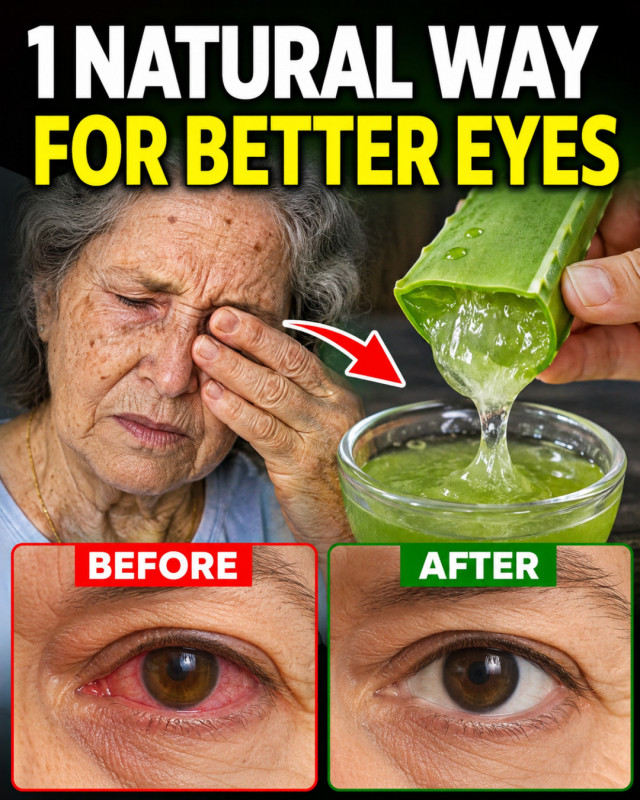
Tired eyes can make even simple moments feel harder, especially after long screen time, dry air, poor sleep, or a busy day. When the eyes feel heavy, blurry, itchy, or easily irritated, it is natural to look for something gentle and familiar. Aloe vera has become popular in many beauty and comfort routines because people associate it with cooling, soothing skin support. But the most important secret is knowing how to use aloe vera safely around the eyes, not inside them, and that small difference can change your whole routine.
Why Tired Eyes Feel So Uncomfortable
Eye discomfort often starts quietly. At first, your eyes may feel a little dry or heavy. Then the irritation becomes harder to ignore.
The truth is, the eyes are sensitive. They react to screens, wind, dust, smoke, contact lenses, makeup, low humidity, and even not blinking enough during phone or computer use.
Blurred vision may also appear when the surface of the eye becomes dry or strained. For many people, this blur comes and goes, especially after reading, scrolling, driving at night, or working under bright lights.
But here is the important part: aloe vera should not be seen as a quick fix for vision problems. It is better understood as a gentle skin care ingredient that may support comfort around the eye area when used carefully.
Why Aloe Vera Became Popular in Eye Care Routines
Aloe vera is a plant known for its clear gel, which is widely used in skin care. It contains water, plant compounds, and a naturally cooling texture that many people find pleasant on the skin.
That is why aloe vera often appears in products for dryness, sun exposed skin, and sensitive looking skin. Around the eyes, people usually use it for the skin under the eyes, not for the eyeballs.
But that is not all.
Aloe vera also fits the kind of routine many people want today: simple, plant based, affordable, and easy to understand. It feels less intimidating than a long list of cosmetic ingredients.
Still, natural does not always mean safe for every use. The skin near the eyes is thin, and the eye itself is even more delicate. This is where many people make a mistake.
The Safe Way to Think About Aloe Vera and Your Eyes
Aloe vera may be suitable for the skin around the eyes for some people. However, homemade aloe gel should not be placed directly into the eyes.
This matters because fresh aloe can contain impurities, plant residue, latex from the leaf, or tiny particles that may irritate the eye surface. Even clean looking gel is not the same as a sterile eye product.
Here is the safe rule:
Use aloe vera around the eye area, not in the eye.
That means avoiding the lash line, eyelids if you are sensitive, tear ducts, and any direct contact with the eyeball.
 Aloe Vera May Support the Skin Around Tired Eyes
When people say aloe vera helps their tired eyes, they may actually be noticing comfort in the surrounding skin. The under eye area can look tired when it feels dry, puffy, or stressed from lack of sleep.
A gentle aloe vera product may help the skin feel cooler and more hydrated. This can make the eye area feel fresher, even though it does not change your eyesight.
Think of it like this: aloe vera may support the comfort of the skin around tired eyes, while proper eye habits support the eyes themselves.
That difference keeps the advice safe and realistic.
What Aloe Vera Can and Cannot Do
Aloe vera can be useful in a gentle self care routine, but it has limits. Understanding those limits protects both your eyes and your expectations.
Aloe vera may help with:
• A cooling feeling on the skin under the eyes
• Temporary comfort for dry looking skin around the eyes
• A simple moisture step in a night routine
• A refreshed feeling after a long day
• Supporting a calm skin care ritual before sleep
Aloe vera should not be used for:
• Replacing professional eye care
• Sudden or serious blurred vision
• Eye pain, swelling, or discharge
• Scratched, injured, or infected eyes
• Direct use inside the eyes with homemade gel
• Contact lens discomfort without professional guidance
Here is the most useful takeaway: aloe vera belongs in the skin care part of your eye routine, not the medical part.
A Gentle Aloe Vera Eye Area Routine
This simple routine is designed for the skin around the eyes. It is not meant to replace eye drops or professional advice.
Step 1: Wash your hands first
Clean hands reduce the chance of transferring dust, oil, or bacteria near your eyes. This step sounds basic, but it matters.
Step 2: Choose the right aloe product
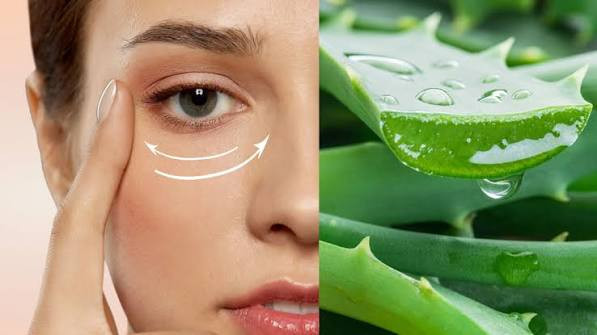
Look for a fragrance free aloe vera gel or a gentle eye area product that clearly says it is suitable for sensitive skin. Avoid strong perfumes, alcohol heavy formulas, glitter, essential oils, or products that sting.
The fewer irritating extras, the better.
Step 3: Patch test before using near the eyes
Apply a small amount to the inner arm or behind the ear. Wait and watch for redness, itching, burning, or rash.
If your skin reacts there, do not use it near your eyes.
Step 4: Apply only a tiny amount
Use a rice sized amount for each side. Place it on the under eye skin or along the outer orbital bone area.
Do not apply it too close to the lash line.
Step 5: Keep it away from the eyeball
If the product moves into your eye and causes burning, rinse gently with clean water and stop using it.
This is the step many people skip, but it is the most important one.
Step 6: Follow with simple sleep habits
Aloe vera may feel refreshing, but your eyes still need rest. Dim your screen, avoid late night scrolling when possible, and give your eyes time to relax.
The Better Routine for Blurred Vision From Screen Fatigue
Aloe vera may help the skin feel fresh, but blurred vision from screen use usually needs different habits.
Here is where the routine becomes more powerful.
Try the 20 20 20 method. Every 20 minutes, look at something about 20 feet away for 20 seconds. This gives the focusing muscles a small break.
You can also:
• Blink slowly several times when your eyes feel dry
• Increase text size instead of squinting
• Reduce screen glare
• Keep the screen slightly below eye level
• Use a humidifier if indoor air feels dry
• Avoid sitting directly under strong air conditioning
• Rest your eyes before they become painful
These small changes may sound simple, but they often make a noticeable difference in daily comfort.
Aloe Vera Versus Artificial Tears
People sometimes confuse aloe vera with eye lubrication. They are not the same.
Artificial tears are made for the eye surface. Aloe vera skin products are made for the skin.
If your eyes feel dry, gritty, or irritated, preservative free artificial tears may be more appropriate than applying aloe vera near the eye. For occasional dryness, many eye care professionals commonly recommend lubricating drops designed for the eyes.
But again, choose products made for eyes, not homemade mixtures.
This is the interesting part: your best routine may include both, but in different places.
Artificial tears support the eye surface. Aloe vera may support the surrounding skin.
When Aloe Vera Is Not a Good Choice
Aloe vera is not ideal for everyone. Some people experience burning, itching, rash, or irritation from topical aloe products.
Avoid aloe vera around the eyes if:
• You have very sensitive skin
• You have eczema around the eyes
• You recently had eye surgery
• You have an active eye infection
• Your eyelids are swollen or painful
• You are allergic to aloe or similar plants
• You wear contact lenses and often feel irritation
Also, do not apply aloe vera before inserting contact lenses. If you use it as part of skin care, apply it after lenses are removed and keep it away from the lash line.
Simple Daily Habits That Support Comfortable Eyes
Aloe vera can be one part of a calming routine, but everyday habits matter more than one ingredient.
Try building your routine around comfort, hydration, and rest.
Morning routine
• Wash your face gently
• Avoid rubbing the eyes
• Use eye safe drops if recommended or needed
• Wear sunglasses outdoors
• Keep makeup away from the inner eye area
During the day
• Take regular screen breaks
• Blink more often during computer work
• Drink enough water
• Reduce direct fan or air conditioner exposure
• Adjust lighting so your screen is not too bright
Evening routine
• Remove makeup fully
• Wash your hands before touching your face
• Apply a tiny amount of aloe vera product around the eye area only if your skin tolerates it
• Stop using screens earlier when possible
• Sleep in a dark, comfortable room
But there is one more thing many people overlook.
Do Not Ignore Warning Signs
Most tired eye symptoms are mild and temporary, but some signs deserve attention.
Get professional eye care if you notice sudden blurred vision, eye pain, light sensitivity, new floaters, flashing lights, injury, severe redness, discharge, or vision changes that do not improve.
Blurred vision should never be brushed off when it is sudden, one sided, worsening, or linked with headache, weakness, dizziness, or pain.
Aloe vera is not the answer for these situations. Your eyes are too important for guesswork.
How to Choose an Aloe Vera Product for the Eye Area
A good aloe product for the eye area should feel simple and gentle. The label matters.
Look for:
• Fragrance free
• Alcohol free or low alcohol
• Made for sensitive skin
• Lightweight texture
• Clear ingredient list
• No strong cooling chemicals
• No essential oils near the eyes
Avoid products that promise dramatic results. Healthy skin care should not need exaggerated claims.
Sự thật là, the safest product is usually the least dramatic one.
A Simple Aloe Vera Cooling Compress Alternative
If you want a cooling feeling without applying aloe near your eyes, try a clean cool compress instead.
Use a soft clean cloth. Wet it with cool water. Wring it out well. Place it over closed eyes for a few minutes.
This can feel calming after screen time, dry air, or a long day. It also avoids the risk of getting aloe gel into the eye.
You can use aloe vera separately on the surrounding skin later if your skin tolerates it.
The Smartest Way to Use Aloe Vera in Eye Care
The smartest routine is not about using more aloe vera. It is about using it in the right place.
Use aloe vera as a gentle skin comfort step around the eyes. Use screen breaks, proper lighting, blinking, sleep, and eye safe products for the eyes themselves.
That is the quiet secret many people miss.
Aloe vera may make your routine feel fresher, but your daily habits create the foundation for long term comfort.
Conclusion
Aloe vera is popular in eye care routines because it feels cooling, simple, and natural. For some people, it may support the skin around tired looking eyes and add a soothing step to an evening routine.
However, aloe vera should not be placed directly into the eyes, especially in homemade form. Tired eyes, blurred vision, and irritation often need better screen habits, proper hydration, artificial tears made for eyes, and professional guidance when symptoms persist.
Use aloe vera gently, use it safely, and let it support your routine without expecting it to do more than it should.
FAQ
Can I put fresh aloe vera gel directly in my eyes?
No. Fresh aloe vera gel should not be placed directly into the eyes. It is not sterile and may cause irritation, burning, redness, or discomfort.
Can aloe vera help tired looking eyes?
Aloe vera may help the skin around the eyes feel cooler and more hydrated for some people. It does not correct vision or replace eye care.
What should I do if my eyes are blurry often?
Frequent blurred vision should be checked by an eye care professional, especially if it is sudden, worsening, painful, or does not improve with rest.
Medical Disclaimer
This article is for general educational purposes only and is not a substitute for professional medical advice, eye examination, or care from a qualified health professional.