Many people over 60 start paying closer attention to how different foods affect their energy and overall wellness, especially when it comes to kidney health. Vegetables have always been encouraged as part of a balanced plate, yet some common favorites contain higher amounts of potassium and other minerals that may need more thoughtful portioning or preparation when kidney function changes with age. This realization can make grocery shopping and meal planning feel more complicated than before.
The good news is that plenty of tasty, lower-potassium vegetables are gaining popularity as smart swaps. These alternatives let you keep meals colorful, satisfying, and enjoyable without feeling overly restricted. What makes these swaps particularly appealing is how easily they fit into familiar recipes with just a few simple adjustments.

 Why Vegetable Choices Often Get More Attention After 60
As we age, it is common for kidney function to shift gradually for many people. When this happens, the body may handle potassium and phosphorus differently, which is why certain vegetables come up more often in conversations about supporting kidney wellness. High-potassium vegetables are still nutritious, but eating them in large amounts or every day can sometimes feel like too much of a good thing for those who are being more mindful.
This does not mean giving up vegetables altogether. It simply means becoming more selective and creative with the ones that fit more comfortably into a kidney-conscious way of eating. Many seniors discover that making small, consistent swaps helps them feel more confident about their meals while still enjoying plenty of fiber, color, and flavor.
 100vw, 800px” data-lazy-src=”https://healthysecret.alodi.net/wp-content/uploads/2026/06/image-1-2082.jpg” /></figure>
<h2 class=)
 Vegetables That May Need More Thought in Kidney Wellness Routines
Certain vegetables tend to appear on “limit or moderate” lists more frequently because of their potassium content. Here are some that often come up:
- Potatoes (white and sweet) — Naturally high in potassium; popular but sometimes better in smaller portions or specially prepared.
- Tomatoes and tomato products — Concentrated potassium, especially in sauces, juices, and canned varieties.
- Spinach and Swiss chard — Leafy greens with notable potassium and oxalate levels.
- Beets — Vibrant and nutritious but higher in potassium and oxalates.
- Avocados — Creamy and healthy fats, yet quite high in potassium per serving.
- Winter squash and pumpkin — Sweet and comforting but can add up quickly in potassium.
The encouraging part is that you do not have to eliminate these entirely. Many people simply enjoy them less often or in smaller amounts while leaning more heavily on easier alternatives.
 100vw, 800px” data-lazy-src=”https://healthysecret.alodi.net/wp-content/uploads/2026/06/image-1-2083.jpg” /></figure>
<h2 class=)
 Vegetable Swaps That Are Getting Real Attention Right Now
Here is a side-by-side look at some popular swaps that many health-conscious seniors are trying:
| Higher-Potassium Vegetable | Why It Often Needs Attention | Popular Lower-Potassium Swap | Why the Swap Works Well |
|---|---|---|---|
| White or sweet potato | Very high potassium | Cauliflower or turnips | Mild flavor, similar texture when mashed or roasted |
| Spinach | High potassium + oxalates | Green cabbage or lettuce | Crunchy, versatile, much lower potassium |
| Tomatoes / tomato sauce | Concentrated potassium | Roasted red bell peppers | Sweet, colorful, easy to blend into sauces |
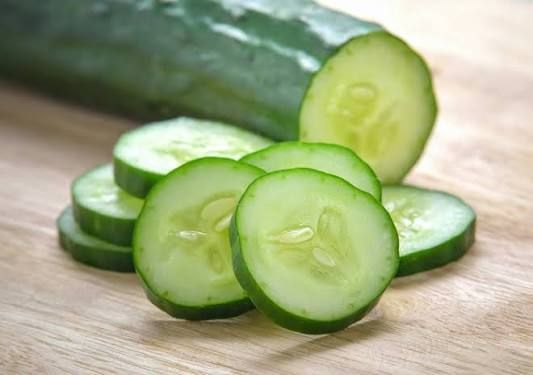
| Beets | High potassium | Carrots or cucumber | Naturally sweet or refreshing with far less potassium |
| Avocado | High potassium | Small amounts of olive oil or hummus | Still gives creaminess without the mineral load |
These swaps are not about deprivation. They are about finding equally delicious options that let you build satisfying plates with less worry.
 Preparation Methods That Make a Big Difference
How you cook vegetables can noticeably change their potassium content. One of the most useful techniques is leaching (also called boiling and discarding the water). This works especially well for potatoes:
- Peel and cut potatoes into small pieces.
- Place them in a large pot with plenty of water (use about 10 parts water to 1 part potato).
- Bring to a boil and cook for 10–15 minutes.
- Drain and discard the cooking water (this removes a good portion of the potassium).
- Finish cooking however you like — mash, roast, or add to soups.
Boiling other high-potassium vegetables and discarding the water can also help reduce their mineral content. Steaming and roasting tend to keep more potassium inside the vegetable, so they are better saved for the lower-potassium swaps.
 100vw, 800px” data-lazy-src=”https://healthysecret.alodi.net/wp-content/uploads/2026/06/image-1-2084.jpg” /></figure>
<h2 class=)
 Easy Ways to Use These Swaps in Everyday Meals
Bringing the new vegetables into your routine does not require fancy recipes. Here are simple ideas that work well:
- Mashed cauliflower instead of mashed potatoes — steam or boil cauliflower until very soft, mash with a little olive oil or unsweetened almond milk, and season with garlic and herbs.
- Cabbage stir-fry or slaw — thinly slice green cabbage and quickly cook with bell peppers, green beans, and a light seasoning. It stays crisp and satisfying.
- Bell pepper “pasta” sauce — roast red bell peppers until soft, blend with garlic and herbs, and use over zucchini noodles or as a dip.
- Green bean and cauliflower “hash” — chop both and sauté with onion for a hearty side that pairs with almost any protein.
- Cucumber and cabbage salad — combine thinly sliced cucumber and cabbage with a simple lemon-olive oil dressing for a refreshing, low-potassium side.
Many seniors find that once they try these swaps a few times, they actually prefer the lighter, fresher taste and the peace of mind that comes with them.
FAQ
Do I need to completely avoid potatoes, tomatoes, and spinach?
Not necessarily. Many people with changing kidney function can still enjoy these vegetables occasionally or in smaller portions. The key is working with your healthcare team or a registered dietitian to understand what amount and frequency is right for your specific situation.
How do I know if a vegetable is high or low in potassium?
You can look up reliable nutrient databases or ask your doctor or dietitian for a personalized list. In general, root vegetables, many leafy greens, and tomatoes tend to be higher, while cruciferous vegetables (cabbage, cauliflower, broccoli in moderation) and certain peppers are lower.
Will these vegetable swaps actually help my kidney numbers?
Swaps alone are not a treatment, but they can be part of an overall eating pattern that supports kidney wellness. Combined with proper hydration, balanced protein intake, and following your healthcare provider’s recommendations, many people feel more in control of their daily choices.
This article is for informational and educational purposes only. It is not intended as medical advice and should not be used to diagnose, treat, or manage any medical condition, including kidney disease. Always consult your physician, nephrologist, or a registered dietitian before making changes to your diet, especially if you have existing kidney concerns or take medications. Individual needs vary significantly, and personalized guidance from a qualified healthcare professional is essential.