You have probably followed the same advice for decades: eat carrots if you want to protect your eyesight. Many of us slice them into salads, roast them with dinner, or snack on baby carrots without a second thought, convinced this bright orange vegetable is doing the heavy lifting for our vision. Yet as time passes, some people still notice everyday frustrations—struggling a little more with fine print in low light, taking longer to recover when stepping from sunlight into a dim room, or simply feeling less confident about their eyes during routine activities. These small shifts can stir quiet worry about maintaining independence and enjoying the simple pleasures that rely on clear sight.

The reality is that carrots supply helpful nutrients, particularly for one specific aspect of vision, but they do not address every factor that influences long-term eye wellness. Relying on a single food while other protective elements remain missing can leave gaps that become more noticeable with the natural changes of aging. The good news is that researchers have turned their attention to an unexpected option from the spice cabinet—one that brings a different set of plant compounds to the table.
By the end of this article you will know exactly which spice has drawn scientific interest, how it compares with the familiar carrot, and the straightforward daily steps many people are now adding to their routines.
The Carrot Story: Helpful but Incomplete
Carrots earned their reputation because they contain beta-carotene, a pigment the body converts into vitamin A. Vitamin A plays a direct role in the production of rhodopsin, a protein in the retina that helps us see in dim or nighttime conditions. People who are genuinely low in vitamin A often experience improvements in night vision once levels are restored. That part of the story is well established.
However, in many parts of the world today, true vitamin A deficiency is uncommon among adults who eat a varied diet. Extra beta-carotene from carrots does not automatically translate into sharper overall vision or stronger protection against the oxidative stress and inflammation that can affect the retina over the years. In other words, carrots remain a nutritious choice, yet they represent only one piece of a much larger picture.
Why a Single-Food Approach Often Falls Short
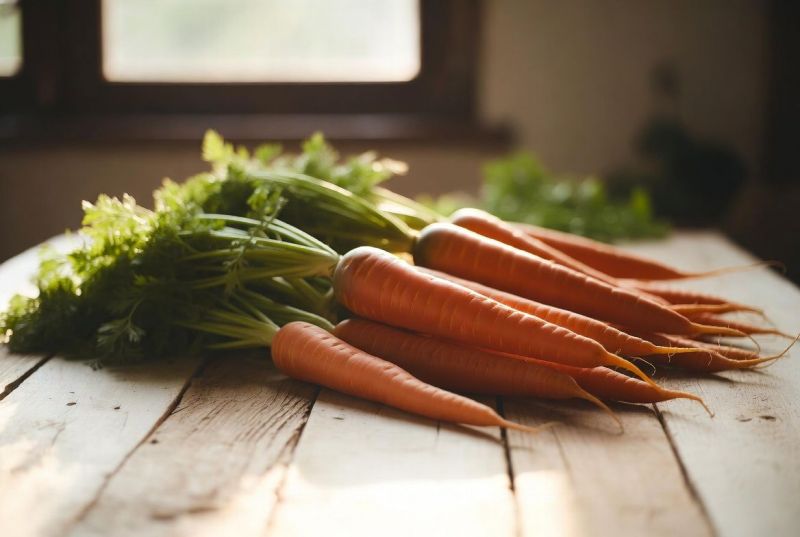
When we pin our hopes on one vegetable, we miss the broader range of nutrients the eyes actually use. The macula—the central part of the retina responsible for sharp, detailed vision—benefits from antioxidants such as lutein and zeaxanthin, which carrots contain only in modest amounts. It also responds to compounds that support healthy blood flow and help calm everyday oxidative stress.
Focusing exclusively on carrots while skipping leafy greens, colorful berries, nuts, and certain spices is a bit like watering only one corner of a garden and wondering why the rest of the plants look stressed. Over time, that narrow approach can leave other important systems under-supported, especially when combined with modern habits like long hours in front of screens, inconsistent sleep, or diets heavy in processed foods.
The Ancient Spice Researchers Are Examining
The spice drawing attention is saffron, the delicate red threads harvested from the Crocus sativus flower. It has been used for centuries in traditional cooking and wellness practices across parts of Asia and the Mediterranean. What sets saffron apart is its concentration of unique carotenoids, particularly crocin and crocetin. These compounds act as potent antioxidants and appear to influence several pathways involved in retinal health.
Unlike carrots, which work mainly through vitamin A, saffron’s compounds have been studied for their ability to support the retina’s response to light, promote healthy circulation within eye tissues, and help protect delicate photoreceptor cells from oxidative damage. The research does not suggest saffron replaces carrots or any other food; rather, it offers a complementary set of benefits that many people find worth adding to an already varied plate.
What Clinical Research Has Observed
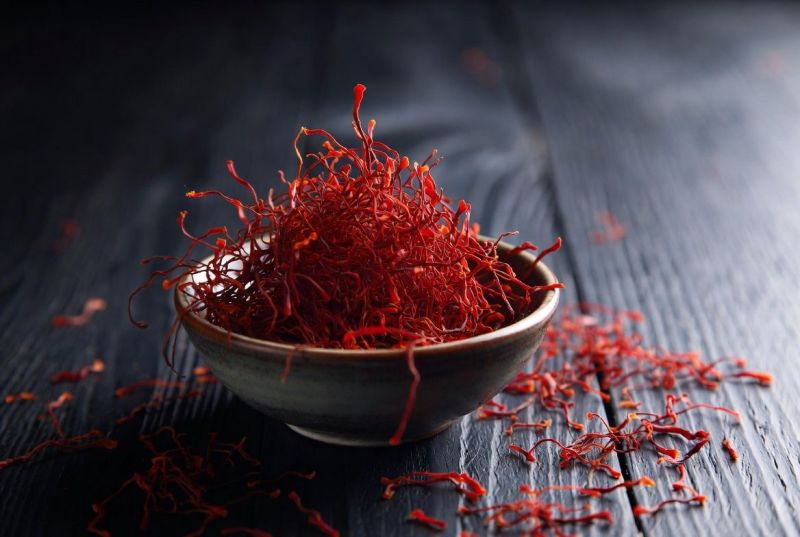
Several human trials have explored saffron in people experiencing early or mild age-related changes in the macula. In one randomized, double-blind study, participants taking 20 mg of saffron daily for three months showed measurable improvements in visual acuity and retinal flicker sensitivity compared with those receiving a placebo. Flicker sensitivity reflects how well the retina adapts to changing light conditions—an everyday function that can become less reliable over time.
Other trials using similar daily amounts (20–30 mg) over periods of three to six months reported comparable findings: modest gains in best-corrected visual acuity and better performance on tests of retinal function. Researchers note that these effects occurred alongside standard care and appeared linked to saffron’s antioxidant and anti-inflammatory properties. Results varied among individuals, and longer-term studies continue, yet the pattern across multiple trials is consistent enough to warrant attention.
Importantly, these studies used saffron as a supplement in controlled settings. Culinary amounts added to food are generally lower, and benefits seen in research should not be interpreted as guaranteed outcomes for every person. The consistent message from the data is that saffron represents one promising dietary addition rather than a standalone solution.
Carrots vs. Saffron: A Practical Comparison
| Aspect | Carrots | Saffron |
|---|---|---|
| Primary nutrient for eyes | Beta-carotene (vitamin A precursor) | Crocin and crocetin (carotenoid antioxidants) |
| Strongest evidence area | Night vision and general vitamin A support | Retinal function and flicker sensitivity |
| Typical daily serving | 1 medium carrot or more | 8–10 threads (roughly 20 mg) |
| Cost and accessibility | Very low cost, widely available | Higher cost per gram, but tiny amounts last |
| Ease of daily use | Easy to eat raw, cooked, or juiced | Best steeped in warm liquid or added to meals |
| Best used as | Everyday staple vegetable | Targeted daily accent or ritual |
This side-by-side view shows the two are not competitors but different tools. Many people continue enjoying carrots while layering in saffron for its distinct profile.
How to Bring This Spice Into Your Routine
Quality matters. Look for whole saffron threads rather than powdered product, which can be adulterated. Reputable suppliers often provide information about origin and testing. A small jar, used sparingly, can last several months.
Here is one simple daily ritual used by people in the studies and in everyday practice:
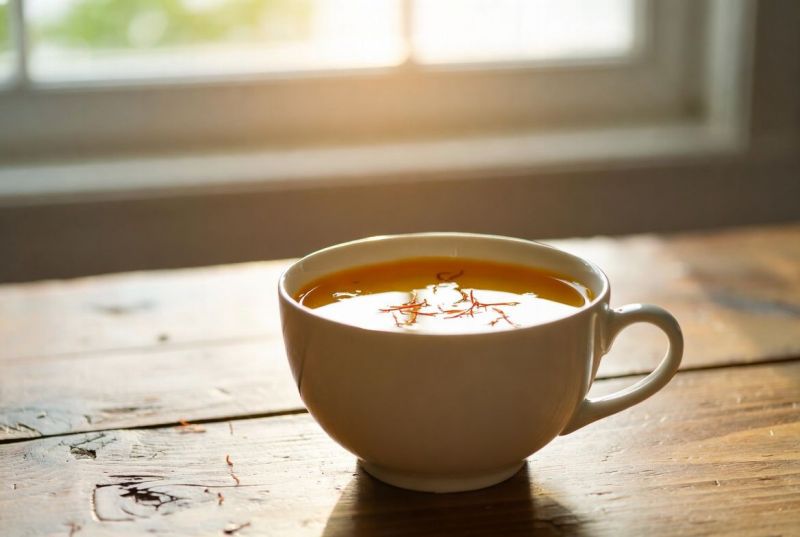
- Place 8–10 high-quality saffron threads in a cup.
- Add about 8 ounces (240 ml) of warm (not boiling) water, milk, or plant-based milk.
- Let the threads steep for 10–15 minutes, stirring once or twice. The liquid will turn a gentle golden color and develop a subtle floral aroma.
- Drink slowly, ideally with or after a meal containing a little healthy fat to support absorption of the fat-soluble compounds.
- Repeat once daily. Consistency over weeks and months aligns with how the research was conducted.
You can also add a few threads to rice dishes, soups, scrambled eggs, or warm oatmeal. Some people stir a pinch into plain yogurt with a touch of honey. The goal is not large quantities but steady, small amounts that become part of an existing meal pattern.
Building a Broader Foundation for Eye Wellness
Saffron works best alongside other evidence-supported habits rather than in isolation. Consider these complementary steps:
- Include leafy greens or eggs several times a week for lutein and zeaxanthin.
- Choose fatty fish or plant sources of omega-3s at least twice weekly.
- Protect eyes from excessive UV exposure with quality sunglasses when outdoors.
- Follow the 20-20-20 rule during screen time: every 20 minutes, look at something 20 feet away for 20 seconds.
- Maintain steady blood pressure and blood sugar through balanced meals and regular movement.
- Schedule comprehensive eye examinations on the timeline your eye-care professional recommends.
Each of these habits addresses a different piece of the puzzle. Together they create a more resilient foundation than any single food or spice can provide on its own.
Important Considerations Before You Start
Saffron is generally well tolerated at the amounts used in both culinary and studied supplemental contexts. Still, individual responses vary. People taking medications—especially blood thinners or those affecting mood—should check with their healthcare provider before adding concentrated amounts. Pregnant or breastfeeding individuals should also seek personalized guidance.
Because saffron is a premium ingredient, purchasing from trusted sources helps ensure you receive genuine product rather than fillers. Start with a modest amount to observe how your body responds, and view this as one supportive element within a larger pattern of nourishing choices.
Bringing It All Together
Carrots deserve a regular place on the plate, yet they are not the complete answer for supporting eye health across the decades. The research around saffron offers a compelling reason to expand the toolkit with a spice that brings its own protective compounds. Small, consistent actions—enjoying colorful vegetables, moving daily, protecting eyes from strain and sun, and adding a thoughtful pinch of saffron—add up over time.
The secret is not abandoning what already works but thoughtfully layering in options backed by both tradition and emerging science. Your eyes, like the rest of your body, respond best to steady care rather than dramatic overhauls.
Frequently Asked Questions
How much saffron is typically used in the research?
Most clinical studies examined daily amounts between 20 mg and 30 mg, which corresponds to roughly 8–10 threads of high-quality saffron. This is a very small quantity that fits easily into a warm drink or meal.
How long does it take to notice anything?
The trials that reported measurable changes followed participants for at least three months, with some extending to six months or longer. Individual experiences differ, and many people focus on the overall sense of supporting their health rather than expecting rapid shifts.
Can saffron be combined with other eye-support supplements or foods?
In the studies, saffron was often used alongside standard nutritional approaches. Because it works through different pathways than vitamin A or lutein, it can complement a varied diet. Always confirm compatibility with your healthcare provider if you take prescription medications or have specific health conditions.
Disclaimer: This article is for general informational purposes only and does not constitute medical advice. It is not intended to diagnose, treat, cure, or prevent any disease. The information presented reflects publicly available research and should not replace professional medical guidance. Always consult a qualified healthcare provider before making significant changes to your diet, especially if you have existing eye conditions, take medications, or have other health concerns. Individual results vary, and no food or spice guarantees specific outcomes.