You finish dinner, settle into your usual spot, and reach for something comforting to close out the day. Yet by morning the familiar tiredness lingers, your energy feels off, and when you check your readings they show more ups and downs than you expected. It can leave anyone feeling frustrated and quietly wondering what small shift in the evening might have made things smoother.
Those overnight fluctuations often trace back to how the body releases stored glucose while we rest, combined with whatever we sipped or ate before bed. The encouraging part is that certain simple drinks, prepared the right way, appear in research to support more consistent patterns for many people when used regularly.
What surprises most folks is how ordinary the ingredients are and how little time each one takes. Keep reading to see the full list of ten options, exactly how to make them, and the straightforward habits that help them work even better.

Why Evening Drinks Can Influence Overnight Readings
Blood sugar does not stay flat while we sleep. The liver releases glucose to keep the brain and body fueled, and for some people this natural process creates higher morning numbers or restless nights. Research shows that what we drink in the final hours before bed can gently influence digestion speed, insulin response, and even sleep quality, all of which tie into steadier readings the next day.
Certain compounds in everyday ingredients appear to slow the rate at which glucose enters the bloodstream or support the body’s own regulation systems. A well-known study in Diabetes Care, for example, found that a small amount of apple cider vinegar taken before bed was linked with lower waking glucose in adults with type 2 diabetes. Other work on cinnamon and chamomile points to similar supportive effects on fasting levels and overall balance.
The key is choosing options that fit an evening wind-down rather than adding stimulation or sugar. These drinks are not about dramatic changes; they are about small, repeatable choices that research suggests may add up over time when paired with steady meals, light movement after dinner, and good sleep habits.
Quick Comparison of the 10 Evening Drink Options
| Drink | Key Ingredient | Prep Time | How It May Support Steadiness |
|---|---|---|---|
| Apple Cider Vinegar Drink | Apple cider vinegar | 2 min | May slow digestion and support lower morning readings |
| Cinnamon Tea | Cinnamon sticks or powder | 5-7 min | Compounds linked to better insulin sensitivity |
| Chamomile Tea | Dried chamomile flowers | 5 min | Antioxidants and calming effect; studies show HbA1c support |
| Fresh Ginger Tea | Fresh ginger root | 8 min | May aid digestion and insulin response |
| Golden Turmeric Milk | Turmeric + black pepper | 6 min | Curcumin and warming spices; anti-inflammatory support |
| Fenugreek Seed Infusion | Fenugreek seeds | 5 min + soak | Meta-analyses link it to steadier glucose levels |
| Warm Lemon Water | Fresh lemon | 2 min | Hydration plus vitamin C; gentle support for balance |
| Peppermint Tea | Peppermint leaves | 5 min | Relaxing, digestive comfort; fits evening routine |
| Lemon Balm Tea | Lemon balm leaves | 5 min | Calming herb; early research suggests glucose benefits |
| Warm Spiced Almond Milk | Unsweetened almond milk + cinnamon | 5 min | Low-glycemic base with blood-sugar-friendly spice |
1. Diluted Apple Cider Vinegar Drink

This simple mixture uses the acetic acid in apple cider vinegar, which studies suggest can slow stomach emptying and support more stable glucose after meals and overnight. The 2007 Diabetes Care trial specifically looked at bedtime use and found meaningful improvements in waking readings for many participants.
Many people notice it feels surprisingly refreshing once you get used to the tang. The goal is a very diluted version so it soothes rather than shocks the system.
How to prepare it
Use 1 to 2 teaspoons of raw, unfiltered apple cider vinegar in a large glass (at least 12 oz) of warm water. Stir well. Some add a tiny pinch of cinnamon for extra flavor without sugar. Drink it 20 to 30 minutes before lying down. Always dilute properly and consider using a straw to protect tooth enamel. If you take medications, especially for diabetes or blood pressure, check with your healthcare provider first.
2. Cinnamon Tea
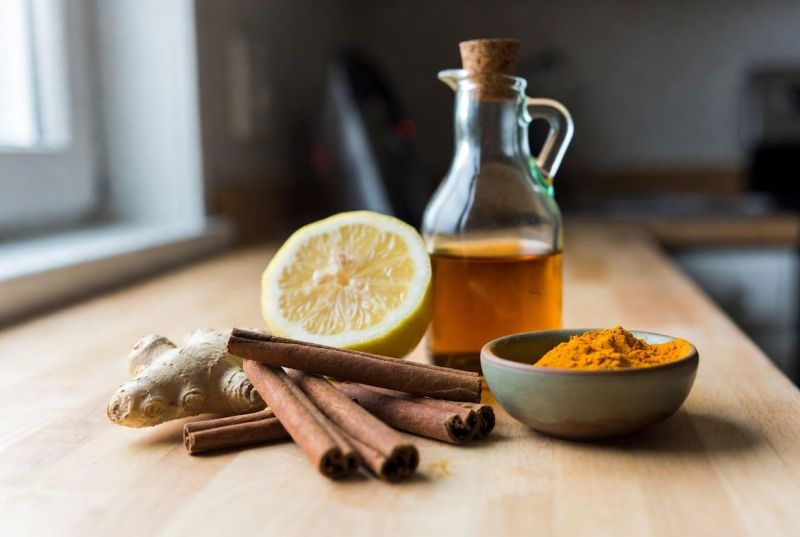
Cinnamon contains polyphenols that research links to improved insulin sensitivity and lower fasting glucose in several clinical trials. A recent study highlighted its ability to reduce both fasting and after-meal spikes when consumed regularly.
The warm, slightly sweet aroma makes it feel like a treat while staying completely sugar-free. It pairs beautifully with an evening book or quiet conversation.
Steep one cinnamon stick or ½ teaspoon ground cinnamon in hot water for 5 to 7 minutes. Strain if using ground. Sip slowly. You can reuse the same stick once or twice during the week. Start with a mild strength and adjust to taste.
3. Chamomile Tea
Chamomile is famous for promoting calm, but studies also connect it to better blood sugar markers. One trial found that people with type 2 diabetes who drank chamomile tea after meals for eight weeks saw improvements in HbA1c and insulin levels compared with a control group.
The gentle floral notes help signal to the body that the active part of the day is over, which indirectly supports overnight stability through better rest.
Place 1 to 2 teaspoons of dried chamomile flowers or one tea bag in hot (not boiling) water. Cover and steep 5 minutes. Remove the flowers or bag and enjoy plain. Many find it relaxing enough to replace evening screen time.
4. Fresh Ginger Tea
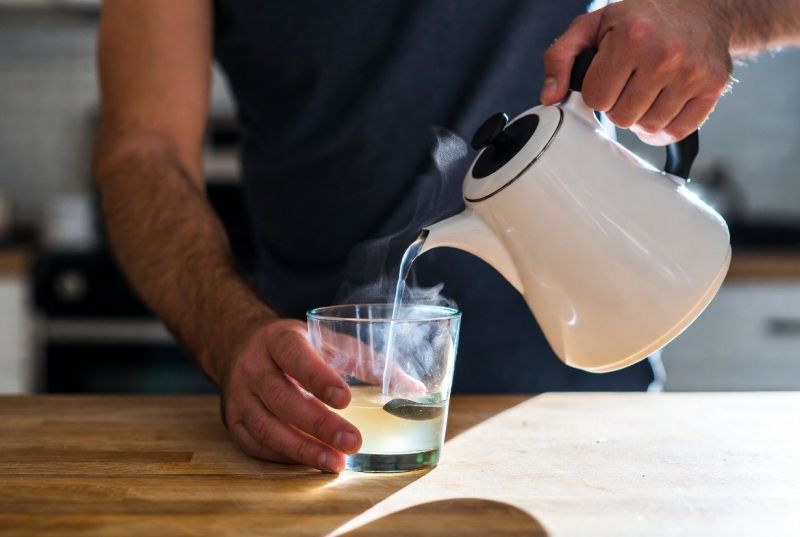
Ginger’s active compounds, especially gingerols, have been studied for their potential to support healthy insulin response and comfortable digestion. When digestion runs smoothly in the evening, glucose absorption tends to stay more even.
The spicy-sweet warmth feels grounding after a long day and can help with any post-dinner bloating that sometimes affects readings.
Slice or grate a 1-inch piece of fresh ginger into a mug. Pour hot water over it and steep 7 to 8 minutes. Strain and sip. A small squeeze of lemon brightens it without adding sugar. Drink it warm, not scalding.
5. Golden Turmeric Milk

This traditional warming drink combines turmeric’s curcumin with black pepper for better absorption. Research on curcumin points to anti-inflammatory effects that may support overall metabolic health, including insulin function.
Using unsweetened plant milk keeps it light and low-glycemic. The golden color and cozy spice blend make it feel special, like a gentle nightcap.
Heat 1 cup unsweetened almond or oat milk in a small saucepan. Whisk in ½ teaspoon turmeric, a pinch of black pepper, and ¼ teaspoon cinnamon. Add a slice of fresh ginger if you like. Simmer gently 3 to 4 minutes, then strain into a mug. Enjoy while still warm.
6. Fenugreek Seed Infusion
Fenugreek seeds contain soluble fiber and compounds studied extensively for glucose support. A 2024 meta-analysis of multiple trials found consistent benefits for fasting plasma glucose when fenugreek was used regularly.
The slightly maple-like flavor becomes pleasant once you are used to it, and the drink is simple to prepare in advance.
Soak 1 teaspoon whole fenugreek seeds in a cup of water overnight or for at least 4 hours. In the evening, gently warm the water (do not boil the seeds again) and sip the infusion. Some people chew the softened seeds afterward; others discard them. Start with a small amount to see how your body responds.
7. Warm Lemon Water
Plain warm water with fresh lemon supports hydration, which matters because even mild dehydration can raise blood sugar. The vitamin C and mild acidity may offer gentle additional support for metabolic balance.
It is the simplest option on the list and works well for people who want something light before bed without any strong flavors.
Squeeze half a fresh lemon into a mug of warm (not boiling) water. Stir and sip slowly 30 to 45 minutes before bed. Use filtered water if possible. This also encourages a final bathroom trip before sleep, reducing nighttime awakenings.
8. Peppermint Tea

Peppermint is naturally caffeine-free and prized for digestive comfort. When the stomach feels settled, it is easier for the body to maintain steady glucose overnight. The cool, clean taste also helps clear the palate after dinner.
Many people find the aroma alone begins to slow their breathing and prepare them for rest.
Steep 1 to 2 teaspoons of dried peppermint leaves or one tea bag in hot water for 5 minutes. Cover while steeping to keep the aromatic oils in. Remove the leaves and drink warm. It pairs nicely with a short evening walk beforehand.
9. Lemon Balm Tea
Lemon balm, a gentle member of the mint family, shows early promise in research for both calming effects and support of healthy glucose levels. Its mild citrus scent makes the evening feel lighter without any actual citrus acidity.
Because it promotes relaxation, it can help lower evening cortisol, which in turn supports steadier overnight readings.
Use 1 to 2 teaspoons of dried lemon balm leaves per cup of hot water. Steep 5 minutes, covered. Strain and sip. If lemon balm is hard to find, a high-quality chamomile or peppermint works similarly for the calming benefit.
10. Warm Spiced Almond Milk
Unsweetened almond milk provides a creamy, low-glycemic base that does not spike blood sugar the way dairy or sweetened alternatives can. Adding cinnamon brings in the same supportive compounds discussed earlier while creating a comforting, dessert-like experience.
This option feels luxurious yet stays firmly in the supportive category for evening routines.
Warm 1 cup unsweetened almond milk in a saucepan or microwave. Stir in ¼ to ½ teaspoon cinnamon and a drop or two of pure vanilla extract if desired. Heat until steaming but not boiling. Pour into a favorite mug and sip slowly while winding down.
How to Build These Drinks Into Your Evening Routine
Small consistent actions usually outperform big occasional ones. Try picking two or three drinks from the list that appeal most and rotate them through the week.
- Prepare everything you need earlier in the evening so the final step feels effortless.
- Drink your chosen option 30 to 45 minutes before your target bedtime.
- Pair it with a short 5- to 10-minute walk after dinner when weather and energy allow.
- Keep a simple log of how you feel in the morning and what your readings show; patterns become clear quickly.
- Stay well hydrated throughout the day so the evening drink is not trying to make up for earlier shortfalls.
Evening Habits That Can Work Against Steadier Readings
Even the best drink can only do so much if other parts of the evening pull in the opposite direction. Watch for these common patterns:
- Sugary or alcoholic drinks in the final hours before bed
- Large, heavy meals eaten very late
- Scrolling screens right up until lights out (blue light affects sleep quality)
- Skipping the wind-down period entirely and rushing from activity to pillow
Replacing even one of these with a supportive drink and a calmer close to the day often brings noticeable shifts within a couple of weeks.
A Realistic Expectation
These drinks are supportive tools, not magic solutions. Research shows modest but meaningful effects for many people when the drinks become a regular part of an overall balanced approach that already includes sensible eating, movement, and sleep. Individual results vary based on medications, overall diet, stress levels, and how long the pattern has been in place.
The real win comes from the cumulative effect of better sleep, steadier digestion, and the satisfaction of taking one practical step each evening.
Frequently Asked Questions
Can I drink one of these every single night?
Most people tolerate one nightly without issue and often report the best results with consistency. Rotate options if you like variety. As with any new habit, check with your healthcare provider if you have diabetes, take blood-sugar-lowering medications, or have digestive sensitivities.
Does adding a sweetener cancel out the benefits?
Added sugar can raise blood sugar regardless of the base drink. Many people enjoy these recipes plain once their taste buds adjust. If a touch of sweetness is needed, a very small amount of stevia or monk fruit is least likely to interfere. Test your own readings to see what works best for you.
How long does it usually take to notice any difference?
Some people observe steadier morning energy or slightly improved logs within 7 to 14 days. Others notice subtler shifts over three to four weeks. Keeping a simple before-and-after record of readings and how you feel helps track personal progress. These are supportive habits that work gradually alongside other healthy choices.
This article is for informational purposes only and does not constitute medical advice. Always consult your doctor or qualified healthcare provider before starting any new dietary practice, especially if you have diabetes, prediabetes, or take medications that affect blood sugar or digestion. Individual responses vary, and these drinks are not intended to diagnose, treat, cure, or prevent any disease.