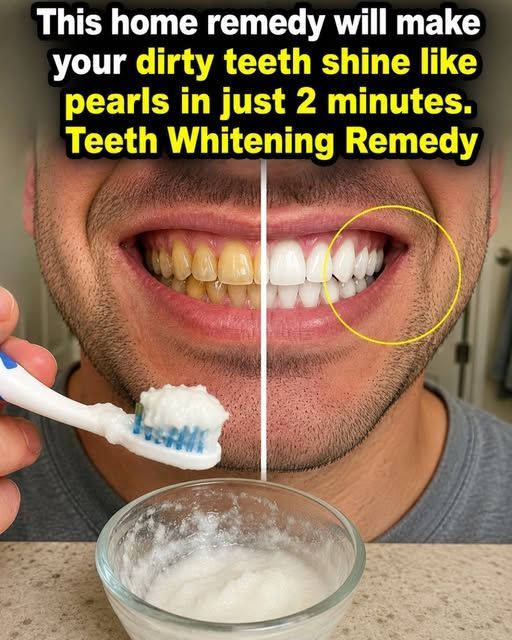
Many people over 60 notice their teeth appearing less bright than they once did, often with more yellow tones or surface stains built up over decades of enjoying coffee, tea, or other favorite beverages. This change can make some feel self-conscious when smiling in photos or during conversations, leading them to look for gentle ways to support a cleaner, more vibrant appearance without harsh treatments. A simple at-home routine centered on oil pulling with coconut oil is gaining attention as one approach people are adding to their daily habits. While evidence is still developing, this practice may help reduce plaque and bacteria that contribute to dullness over time. The question many are asking is whether whitening toothpaste or natural options like this routine better fit their needs — we explore a balanced, senior-friendly path below.
 Why Brighter-Looking Teeth Become a Focus After 60
As we age, enamel naturally thins slightly, allowing the yellowish dentin underneath to show through more. Years of staining from everyday drinks and foods can also build up on the surface. This combination often leads people over 60 to seek ways to support brighter-looking teeth through consistent, gentle habits rather than aggressive methods.
Good oral hygiene plays a central role in how teeth look and feel. When plaque and bacteria are kept in check, teeth tend to maintain a cleaner surface, which can contribute to a brighter appearance. Many are exploring traditional practices like oil pulling as part of this effort because they feel approachable and fit easily into morning routines.
The appeal of a simple at-home routine lies in its low cost and minimal equipment. It does not require special lights, trays, or professional visits, making it accessible for those who prefer natural approaches alongside regular dental check-ups. This heart-friendly oral care habit also ties into overall wellness many seniors prioritize.

 The Simple At-Home Routine Getting Attention for Brighter-Looking Teeth
The routine that is drawing interest combines oil pulling with coconut oil and gentle daily brushing, plus a few supporting habits. It is designed to be easy enough to do while getting ready in the morning or even while reading the news.
Here is how it works in practice:
- Upon waking, place one tablespoon of coconut oil in your mouth. Let it melt if it is solid, then gently swish and pull the oil through your teeth and around your gums for 5 to 10 minutes. You can do this while preparing breakfast or checking messages.
- Spit the oil into a trash can (not the sink, to avoid clogs).
- Rinse your mouth with plain water.
- Brush your teeth as usual with a soft-bristled toothbrush and your regular toothpaste.
- Optionally, one or two times per week, mix a small amount of baking soda with water into a paste and brush gently for about one minute as a mild surface polish before rinsing well.
This entire sequence takes little extra time and can become a calming part of the morning. Many people over 60 appreciate that it feels soothing rather than harsh.
How This Routine May Support Brighter-Looking Teeth
Some small studies suggest that oil pulling with coconut oil may help reduce certain plaque-forming bacteria and improve gum health markers. A mouth with less plaque buildup often looks and feels cleaner, which can contribute to the appearance of brighter-looking teeth over consistent use.

Baking soda, when used occasionally as a gentle polish, acts as a mild abrasive that may help lift some surface stains without the stronger chemicals found in some whitening products. Because it is used only a couple of times weekly, it stays gentle on enamel.
The real power of this simple at-home routine comes from the combination of reduced bacteria, regular gentle cleaning, and the habit of rinsing after staining beverages. Together these steps support the conditions for brighter-looking teeth without relying on peroxide or abrasive whitening toothpastes every day.
 Supporting Habits That Enhance Results
To get the most from this routine, many people also adopt these easy daily habits:
- Drink a glass of water first thing in the morning and stay well hydrated throughout the day — saliva helps naturally clean teeth.
- After coffee, tea, or red wine, rinse your mouth with plain water to minimize new stains settling.
- Choose a soft toothbrush and brush for two full minutes twice daily, focusing on gentle circular motions rather than hard scrubbing.
- Eat crunchy fruits and vegetables like apples or carrots, which provide a natural scrubbing action during meals.
- Continue regular dental visits — professional cleanings remove hardened tartar that home routines cannot address.
These habits work together with the oil pulling practice to create a comprehensive yet simple approach to supporting brighter-looking teeth.
 How to Make This Routine Fit Senior Lifestyles
One reason this simple at-home routine is gaining attention is its flexibility. You can swish the coconut oil while sitting comfortably, standing at the kitchen counter, or even while doing light stretching. The 5–10 minute window is easy to fill with another calm activity.
For those with dentures, bridges, or sensitive gums, it is especially important to check with a dentist before starting. Coconut oil pulling is generally considered gentle, but individual situations vary. People who already use whitening toothpaste can continue if their dentist approves, or they may choose to alternate days with this more natural method for a balanced approach.

Consistency matters more than intensity. Doing the routine most mornings tends to yield better results for oral cleanliness than doing it perfectly a few times and then stopping.
Small Daily Steps Toward Brighter-Looking Teeth
This simple at-home routine offers a low-pressure way for people over 60 to support brighter-looking teeth through better oral hygiene habits. It pairs well with professional dental care and does not promise dramatic overnight changes. Instead, it focuses on steady, gentle support that can help teeth look cleaner and feel fresher over time.
Whether you currently rely on whitening toothpaste or prefer natural remedies, this routine can serve as a complementary practice rather than a complete replacement. Many find that combining mindful habits with regular dental visits brings the most satisfying results for both appearance and overall mouth comfort.
 Frequently Asked Questions
How long does it usually take to notice any difference in brighter-looking teeth with this routine?
Subtle improvements in how clean teeth feel and look often appear after several weeks of consistent daily use. Because the main benefits come from reduced plaque and better surface cleanliness rather than chemical bleaching, changes tend to be gradual and natural-looking.
Is oil pulling safe if I have crowns, veneers, or sensitive teeth?
Most people tolerate it well, but it is always best to ask your dentist first. Those with extensive dental work or active gum issues should get personalized guidance before adding any new oral habit, even a gentle one like this.
Can I still use whitening toothpaste while following this simple at-home routine?
Yes, many people do both. Some use whitening toothpaste a few days a week and the oil pulling routine on other days. The key is not overdoing abrasive or peroxide products, especially if you have sensitive teeth or thinner enamel, which is common after 60.
Disclaimer: This article is for informational purposes only and is not intended as medical or dental advice. Oil pulling and baking soda are traditional practices with limited scientific evidence for teeth whitening. They are not substitutes for professional dental care, regular brushing and flossing, or treatments recommended by your dentist. Always consult your dentist or healthcare provider before starting any new oral care routine, especially if you have existing dental work, gum disease, tooth sensitivity, or other oral health conditions. Individual results vary, and what feels gentle for one person may not suit another.